 Email:
 Telephone: +86-0514-85086085
 FAX: +86-0514-85086085

 English
 中文简体
 русский
 عربى

A hydraulic leak on a platform supply vessel's stern thruster flooded an adjacent cable tray, and the shipyard replaced the damaged control cable with a spare that carried no ABS certificate of conformity. When the class surveyor ran the batch number through the ABS approval directory, nothing came back. The replacement had to be removed, a certified cable sourced, both ends re-terminated, and the vessel lost eleven days of hire while the system was re-commissioned.
That sequence repeats in shipyards and offshore fabrication yards more often than procurement teams like to admit. ABS (American Bureau of Shipping) and BV (Bureau Veritas) certifications are not decorative stamps on a datasheet. They are the standardized evidence that a cable design has been tested under independent third-party oversight, that the factory can reproduce it, and that the batch on your drum is traceable to that approval. For any classed vessel or offshore unit, these certificates are a gate requirement, not a value-add.
Content
- 1 What ABS and BV Certifications Actually Cover
- 2 Why Uncertified Cable Fails the Surveyor's Traceability Check
- 3 The Failure Modes Certification Testing Is Designed to Prevent
- 4 Type Approval, Product Certificate, or Batch Certificate: Know Which Document You Need
- 5 How to Verify ABS or BV Certification in Ten Minutes
- 6 ABS and BV Certification Questions Procurement Engineers Ask
What ABS and BV Certifications Actually Cover
An ABS or BV product certificate for a marine cable is a third-party confirmation that the cable design meets a recognized standard and that the manufacturing site can reproduce that design consistently.
Both societies run formal equipment approval programs. ABS approves equipment under its Equipment Type Approval scheme for vessels and offshore units. Bureau Veritas operates product certification through its marine and offshore division. For cables, the evaluation is built on IEC 60092-350 for 0.6/1 kV shipboard power, control, communication, and instrumentation cables, with additional requirements drawn from IEEE 45 and from SOLAS Chapter II-2 on fire safety.
The certificate scope is where the practical value sits: rated voltage, conductor cross-section range, insulation and sheath compounds, and the exact fire-performance standard. A manufacturer such as Yangzhou Yaguang Cable Co., Ltd. publishes this scope for each marine product line, so the shipyard can match certificate data directly against the drum label.
Core definition: ABS/BV type approval for marine cable is documented proof that a cable design passed defined tests under independent oversight and that the factory can reproduce that design under a controlled quality system.
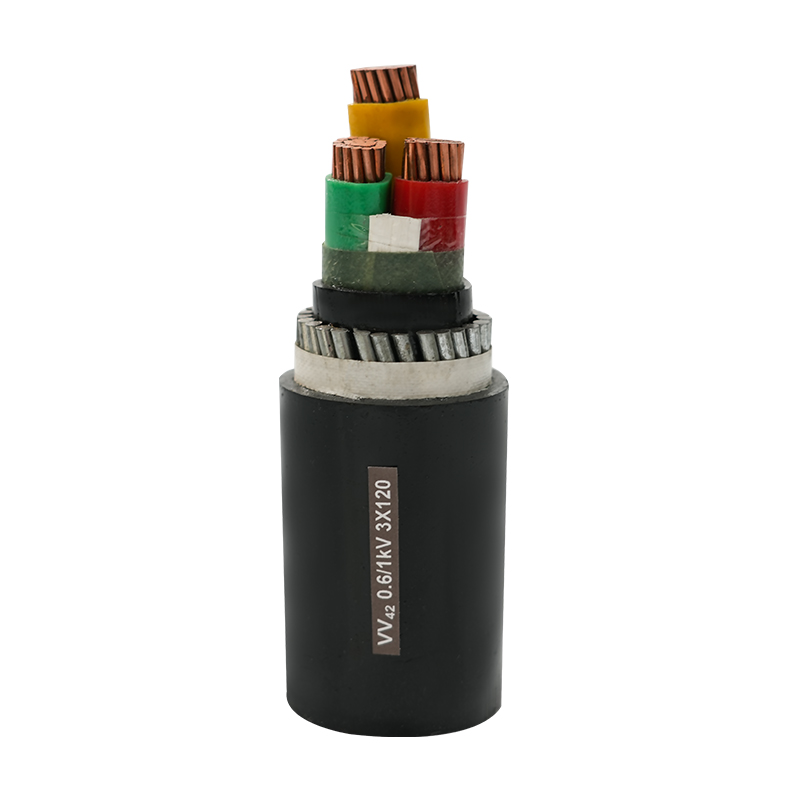
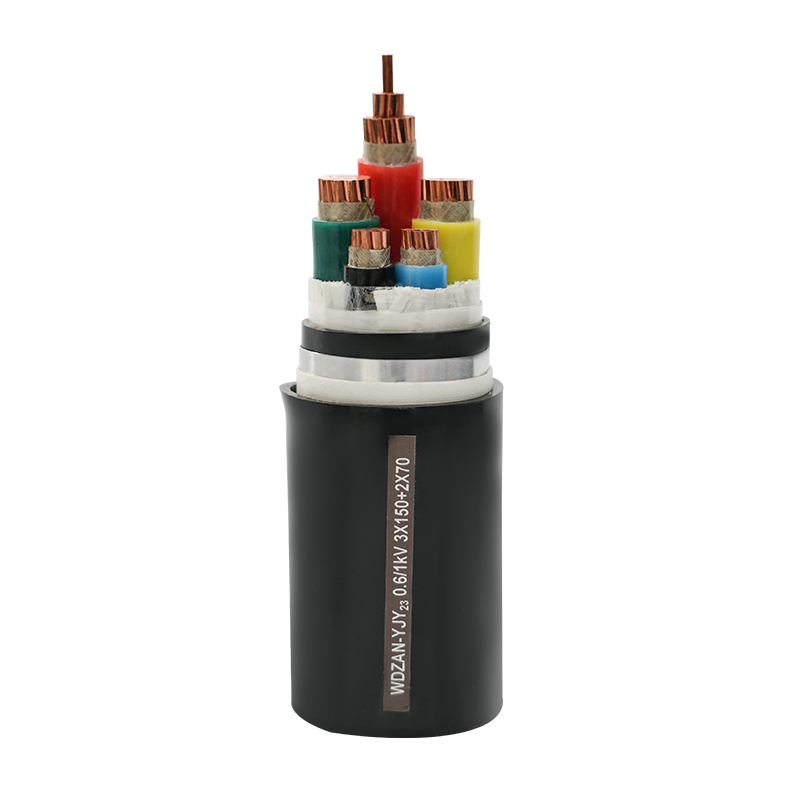
For shipboard power distribution and feeder circuits, the 0.6/1 kV XLPE insulated marine power cable is the approved product line whose certificate scope covers the widest range of sizes and voltage ratings.
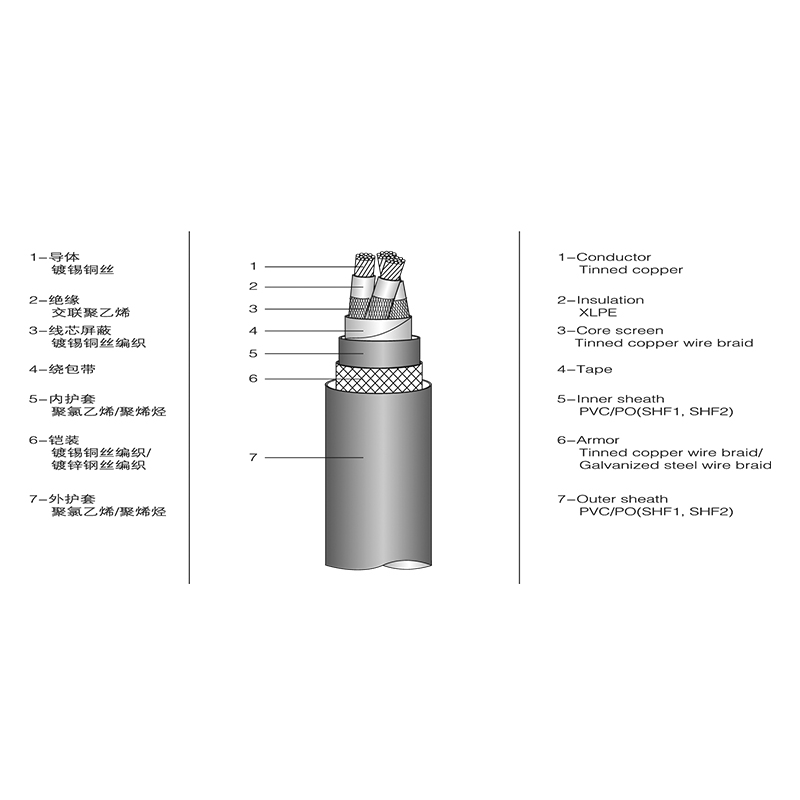 XLPE Insulated Marine Power Cable for Shipboard Power DistributionThis approved 0.6/1 kV XLPE marine power cable covers the widest range of sizes and voltage ratings, making it the specified choice for shipboard power distribution and feeder circuits where classification approval is mandatory.View Product →
Why Uncertified Cable Fails the Surveyor's Traceability Check
Without a recognized ABS or BV approval, marine cable is treated as unverified material regardless of its measured electrical performance.
Class societies work from documented evidence. A surveyor will not lab-test a 500-meter drum on site; he or she checks that the drum label matches a valid certificate, that the scope covers the installed voltage and conductor size, and that the batch numbers link the delivery to the tested design. If one link is missing, the installation is non-compliant.
The costs of non-compliance accumulate quickly:
- the affected cable run is quarantined while verification is attempted;
- a full re-termination and re-installation is ordered when evidence cannot be produced;
- the electrical installation record and the class survey are delayed;
- the vessel or unit is exposed at the next port state inspection or insurance review.
Classification incident reviews consistently rank cable insulation and sheathing among the most common materials first ignited in shipboard machinery-space fires. That is why fire-performance evidence is mandatory in the approval program, not an optional feature. For a closer look at how these requirements shape complete systems, review how technical excellence in ABS/BV certified marine and offshore cable systems is documented across real projects.
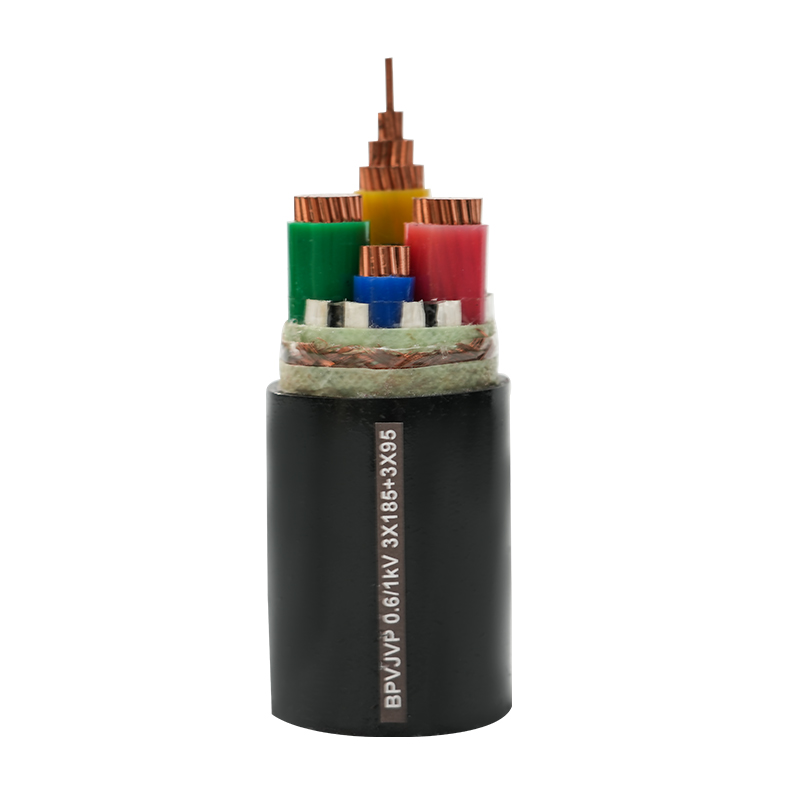
For control and monitoring circuits in machinery spaces, the specified item should be an approved line such as the XLPE insulated marine control cable, not an industrial cable from a non-approved source.
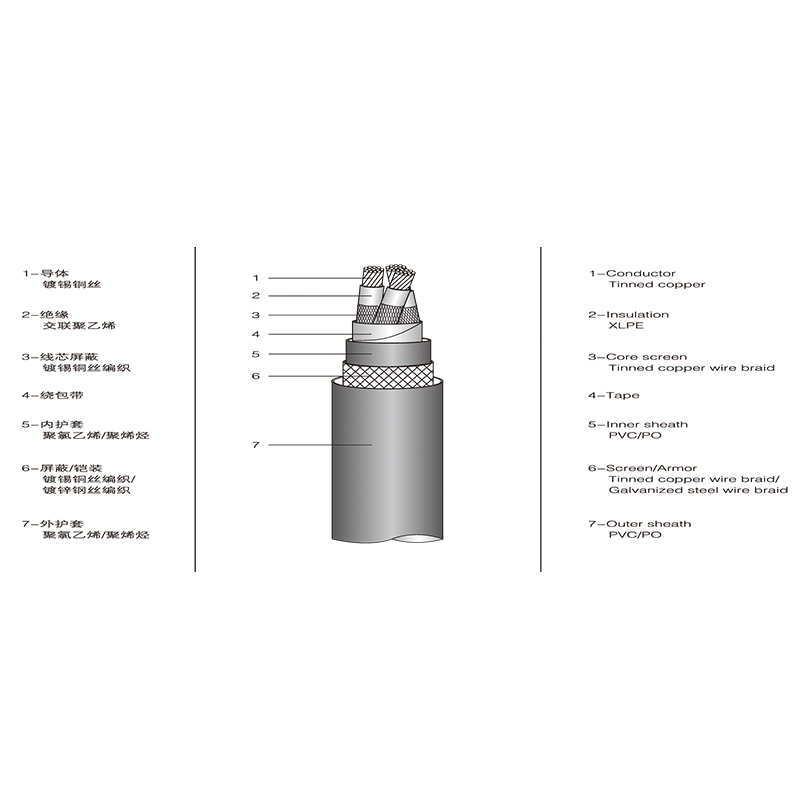 XLPE Insulated Marine Control Cable for Machinery SpacesApproved for control and monitoring circuits in machinery spaces, this XLPE marine control cable ensures stable signal transmission and meets the certification required for shipboard control systems.View Product →
The Failure Modes Certification Testing Is Designed to Prevent
Certification testing exists to prevent measurable failure modes in a real casualty, not to generate paperwork.
Each standard in the test battery simulates a specific shipboard hazard. Flame propagation reproduces a fire climbing along a horizontal or vertical tray. Smoke density measures whether an escape route stays visible. Halogen content predicts how much corrosive gas will attack controls and electronics after a fire. Oil resistance simulates a hydraulic leak soaking the jacket. Cold bend confirms the cable will not crack on an exposed winter deck.
The table below shows the typical pass thresholds applied in ABS and BV type-approval programs for 0.6/1 kV shipboard cables.
| Test standard | Hazard simulated | Typical pass criterion |
| IEC 60332-3-22 | Flame propagation along a cable tray | Damaged length below 2.5 m |
| IEC 61034-2 | Smoke emission reducing escape visibility | Light transmission at least 60% |
| IEC 60754-1, 2 | Halogen gas release attacking equipment | pH above 4.3; conductivity below 10 uS/mm |
| IEC 60811-2-1 | Hydraulic fluid or fuel leak soaking the jacket | No sheath cracking after 168 h at 90 C |
| IEC 60811-1-4 | Low-temperature flexing on a winter deck | No cracking at -30 C |
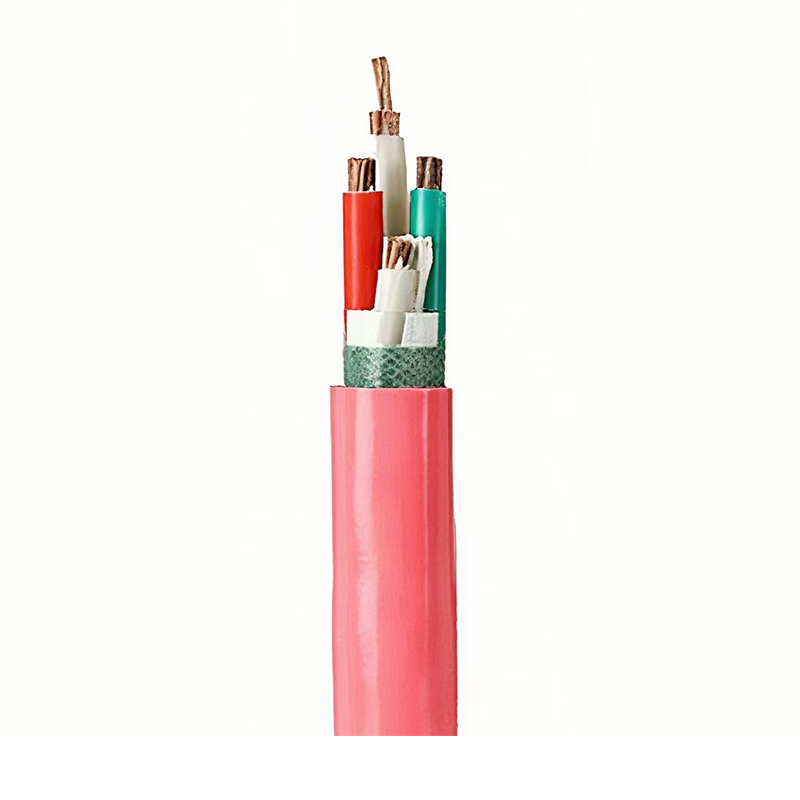
For frequency-converter driven equipment, the approval scope also covers voltage spikes and harmonics that stress insulation over time. In those installations, the correct specification is a certified marine frequency conversion cable, not a standard power cable.
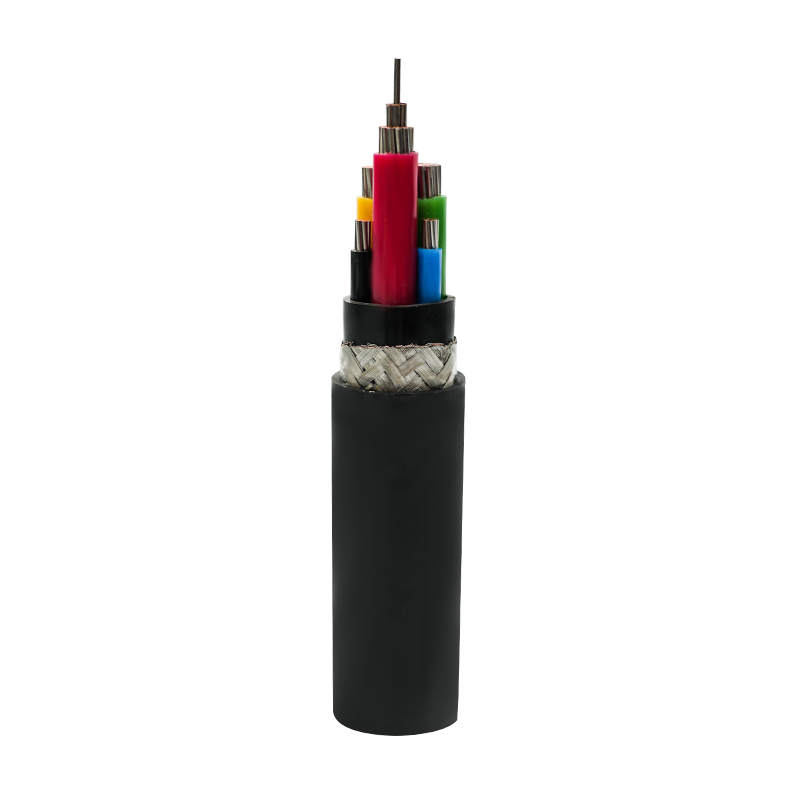 XLPE Insulated Marine Frequency Conversion Cable for VFD SystemsSpecifically designed for variable frequency drive systems, this certified cable handles voltage spikes and harmonics, providing anti-interference performance essential for frequency-converter driven equipment aboard ships.View Product →
Type Approval, Product Certificate, or Batch Certificate: Know Which Document You Need
The certificate type matters as much as the certificate itself, because each document protects a different part of the traceability chain.
- Type Approval Certificate: validates the cable design and the production system for a defined range; typically valid for three to five years subject to renewal audits.
- Certificate of Conformity: also called a product certificate; links a specific shipment to the type approval and is issued per delivery.
- Material test certificate: traces the conductor, insulation, and sheath compounds back to the raw-material stage.
A type approval number without a matching product certificate will not clear a surveyor's hold. When you archive a delivery, keep all three document layers together with the mill reports.
Rule of thumb: the type approval proves the design; the product certificate proves the delivery; the material certificate proves the chemistry.
How to Verify ABS or BV Certification in Ten Minutes
Verify a marine cable's ABS or BV status in ten minutes with three checks before you place the order.
- Read the certificate scope and match the standard, rated voltage, conductor size range, and insulation compound against your specification.
- Confirm that the product line and the drum label data correspond to the certificate number.
- Search the certificate number in the ABS Equipment Type Approval database or the BV product approval records.
- Check the production date of the drums against the certificate validity period.
- Request the factory acceptance test report together with the delivery documents.
These checks matter most when buying through a trader or distributor, because the certificate must belong to the factory that actually produced the drums. A genuine manufacturer will share the certificate, its scope page, and the class society contact for verification without hesitation. Yangzhou Yaguang Cable Co., Ltd., for example, holds ABS and BV approvals on its marine cable lines and publishes the supporting documentation alongside the product catalog, as described in its company profile.
ABS and BV Certification Questions Procurement Engineers Ask
What is the difference between ABS and BV certification for marine cables?
Both are class society approvals with the same gatekeeping status, but they are separate certificates. ABS certification is issued under the American Bureau of Shipping equipment approval program and is commonly specified on U.S.-flag vessels and Gulf of Mexico offshore projects. BV certification comes from Bureau Veritas and is widely used on European-controlled tonnage and in Asian and Middle Eastern yards. A cable may hold one or both; the installation requirement depends on the vessel's class and flag.
Can a cable with an IEC test report pass classification without ABS or BV approval?
No. A manufacturer's own test report is evidence, not approval. Classification rules require that the cable be type approved by the class society or by a recognized national authority accepted by that society. A self-issued IEC report cannot substitute for a certificate issued under an approved program.
How long is an ABS or BV type approval certificate valid?
Typically three to five years, subject to periodic factory audits and renewal by the society. Always confirm that the certificate is still valid for the production date of the delivered drums, not only for the design shown in the catalog.
Do low-voltage 0.6/1 kV cables also require ABS or BV approval?
Yes. Low-voltage 0.6/1 kV shipboard and offshore cables are exactly the category most classification rules target. The approval requirement applies to the shipboard installation as a whole, not to the voltage class. When in doubt, check the electrical installation class notation and the approved wiring plan.
When in doubt, ask for the certificate before the quote, not after the survey.
 Email:
 Telephone:+86-0514-85086085
 FAX:+86-0514-85086085
 Phone:+86-15861389306
