 Email:
  Telephone: +86-0514-85086085
 FAX: +86-0514-85086085
 English
 中文简体
中文简体 русский
 عربى
عربى
In the complex landscape of modern industrial automation, the silent workhorses that ensure seamless operation are often the most overlooked components. Among these, the Flexible Control Cable stands out as a critical element. Whether you are managing high-speed robotic arms, sophisticated conveyor systems, or precision CNC machinery, the integrity of your signal and power transmission relies heavily on the quality and suitability of the cabling used.
This article explores the technical nuances, material science, and operational considerations necessary for selecting and maintaining flexible control cables to ensure peak performance in demanding industrial environments.
Content
The Anatomy of Flexibility: Why Construction Matters
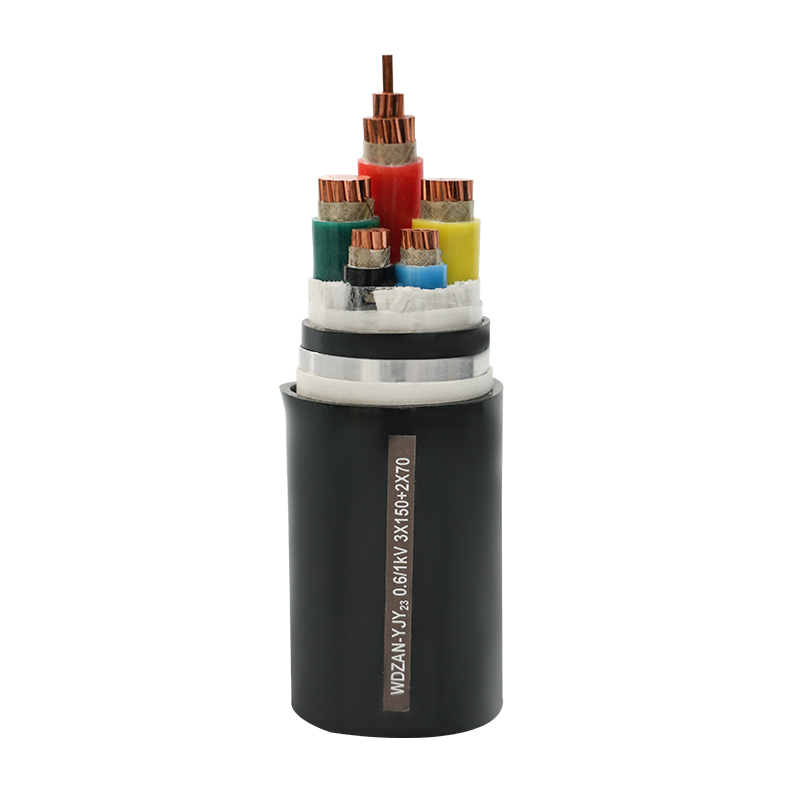
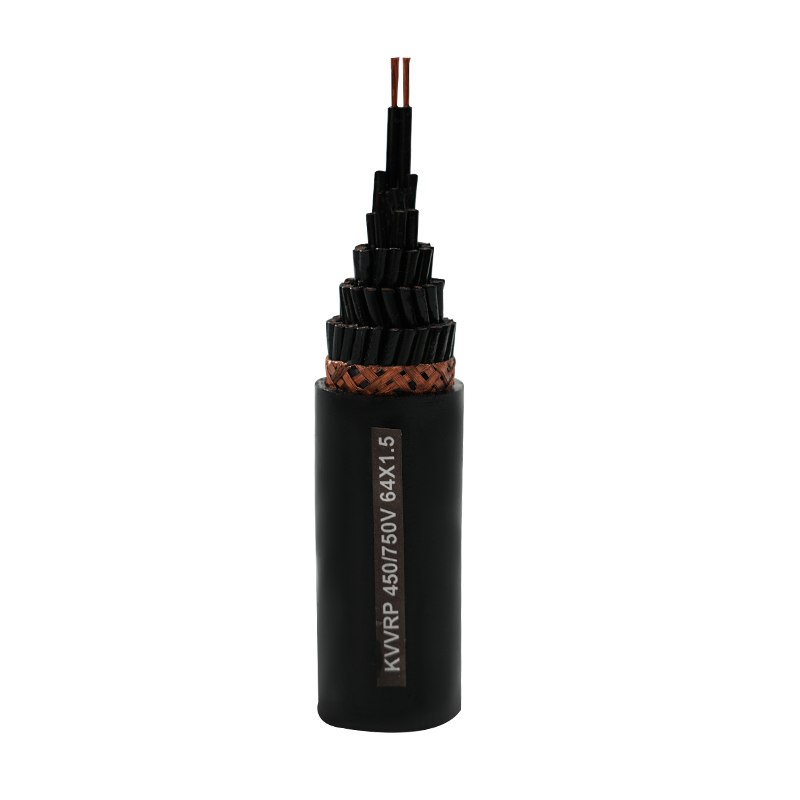
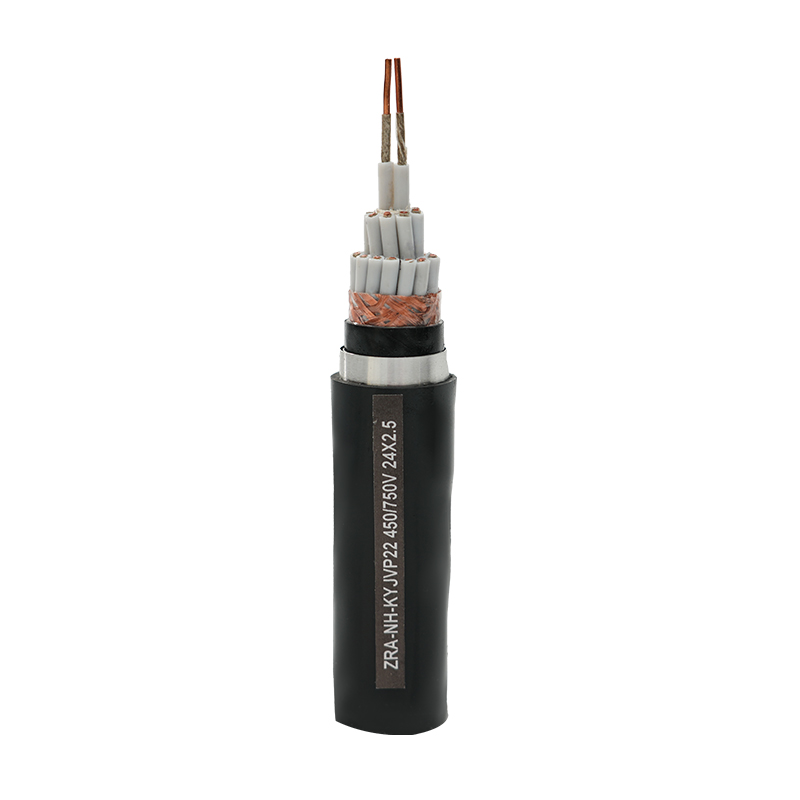
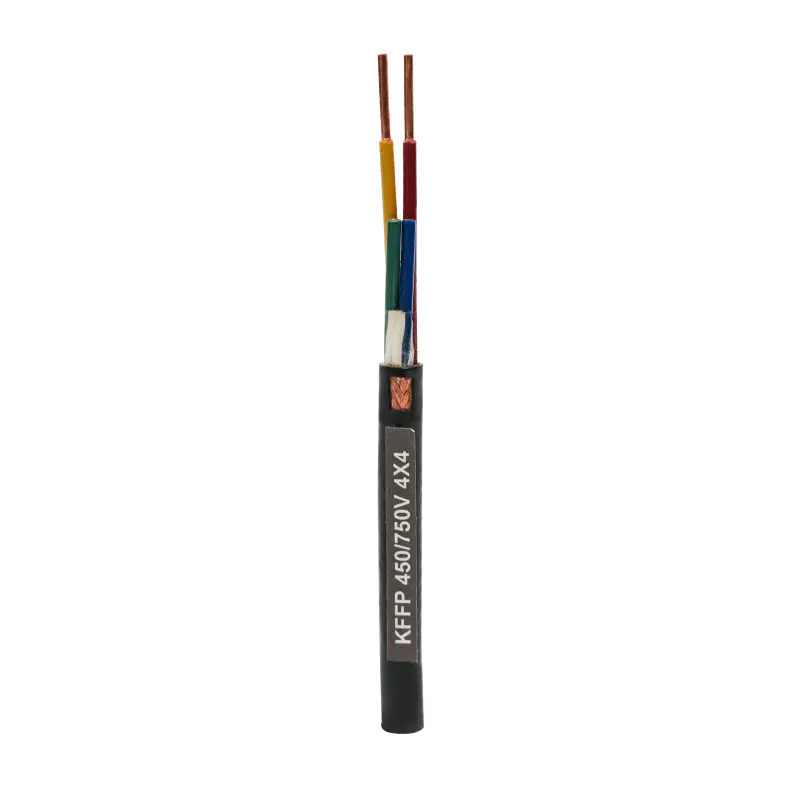
A flexible control cable is not merely a standard wire made “softer.” It is a precision-engineered product designed to endure dynamic mechanical stresses. Unlike cables intended for fixed installations, which often feature solid or coarse-stranded conductors for structural rigidity, flexible control cables utilize fine-stranded copper conductors.
The difference in conductor geometry is fundamental. By using a bundle of many fine strands, the cable gains the ability to dissipate the mechanical stress generated during bending, twisting, and continuous movement. This “fatigue resistance” allows the cable to undergo millions of cycles without internal breakage or work hardening of the metal.
Comparison of Cable Construction
| Feature | Flexible Control Cable | Fixed Installation Cable |
|---|---|---|
| Conductor Type | Multi-stranded fine copper (Class 5/6) | Solid or coarse-stranded copper |
| Bending Tolerance | Extremely high (dynamic) | Low (static) |
| Jacket Material | Specialized TPE, PUR, or high-grade PVC | Standard PVC |
| Application | Drag chains, robotics, moving parts | Cable trays, building conduits |
| Fatigue Life | Designed for millions of cycles | Limited for movement |
The insulation and jacketing materials are equally critical. In an industrial setting, these materials must not only provide electrical isolation but also resist environmental aggressors such as industrial oils, coolants, ultraviolet radiation, and mechanical abrasion. High-performance flexible cables often utilize Thermoplastic Polyurethane (PUR) or Thermoplastic Elastomer (TPE) jackets, which provide a superior balance of chemical resistance and mechanical toughness compared to standard insulation materials.
Understanding Dynamic Stress: Movement Types
Selecting the correct cable requires a deep understanding of the specific movement it will undergo. Engineers categorize these movements to determine the appropriate cable specification:
- Continuous Flexing: Common in energy chains (drag chains) where the cable is forced into a specific loop or radius. This requires cables with optimized stranding and a balanced internal structure to prevent twisting or “corkscrewing.”
- Torsional Movement: Seen in robotic applications where an arm may twist along its axis. These cables must be constructed with special wrapping techniques that allow for multi-directional movement without compromising the integrity of the internal conductors.
- Vibration: Stationary equipment can still be subject to high-frequency vibration. In these cases, the primary concern is preventing the vibration from inducing fatigue at the connection points.
Failure to match the cable’s design to the intended movement pattern is the leading cause of premature failure in automated systems, resulting in costly downtime and potential safety hazards.
Environmental Compatibility: The MICE Concept
Industrial environments are rarely benign. To ensure longevity, professional engineers often utilize the MICE classification system to assess environmental threats:
- Mechanical (M): Includes impact, abrasion, and tension forces.
- Ingress (I): Relates to protection against dust, water, and other contaminants.
- Climatic/Chemical ©: Accounts for extreme temperature ranges, humidity, and exposure to oils, solvents, or harsh cleaning agents.
- Electromagnetic (E): Involves potential interference (EMI/RFI) that could compromise control signal integrity.
When choosing a flexible control cable, one must evaluate the “C” (Climatic/Chemical) factor rigorously. For example, if a machine operates in an environment where it is frequently cleaned with harsh chemicals or exposed to cutting fluids, a standard PVC jacket may degrade, harden, and crack over time. In contrast, an oil-resistant TPE or PUR jacket will maintain its physical properties, ensuring that the moisture barrier remains intact.
Best Practices for Installation and Maintenance
Even the highest-quality cable will fail prematurely if installed or managed incorrectly. Proper installation is the foundation of a long service life.
Installation Guidelines
- Avoid Kinking: When pulling cable from a drum, always use a rotating stand. Never pull the cable over the rim of the drum, as this imparts a permanent twist that will cause the cable to fail when it enters a drag chain.
- Respect the Bend Radius: Every cable has a manufacturer-specified minimum bend radius. For flexible cables, this radius is usually expressed as a multiple of the cable’s outer diameter. Forcing a cable into a tighter radius than recommended creates excessive internal tension, leading to accelerated fatigue.
- Cable Layout: In energy chains, ensure the cables are laid side-by-side without overlapping. Ensure that the total weight of the cables is balanced across the width of the chain to prevent the chain from tilting or buckling during operation.
Maintenance and Inspection
While flexible control cables are designed for reliability, they are not maintenance-free. A proactive inspection routine is essential:
- Visual Scans: Regularly check the cable jacket for signs of cracking, swelling, or abrasion, particularly at the points where the cable enters and exits the machine or energy chain.
- Listen and Observe: Intermittent signals or “glitches” in an automated system can be an early indicator of internal conductor fatigue.
- Check Connections: Vibration can loosen termination points. Periodically inspect terminal blocks and connectors to ensure they are secure and free of oxidation.
Conclusion: Investing in Reliability
In the final analysis, the cost of a flexible control cable is a tiny fraction of the total investment in automated machinery, yet the cost of a cable failure can be astronomical. Prioritizing high-quality, application-specific cabling is not an expense—it is a strategic decision to minimize downtime, enhance worker safety, and ensure the long-term efficiency of industrial operations. By understanding the interaction between conductor construction, environmental resilience, and mechanical movement, manufacturers can build more robust and reliable systems.
FAQ
1. What is the main difference between flexible and fixed control cables?
The primary difference lies in the conductor construction. Flexible cables use fine, multi-stranded copper conductors designed to withstand repeated bending and movement, while fixed cables use solid or coarse-stranded conductors designed for stationary installations.
2. Why does the jacket material matter in a flexible cable?
The jacket is the first line of defense against environmental hazards. Specialized materials like TPE or PUR offer superior resistance to oil, chemicals, abrasion, and temperature fluctuations, which are common in industrial automation environments.
3. What happens if I use a cable with a radius smaller than the recommended minimum?
Operating a cable below its minimum bend radius causes extreme mechanical stress on the internal conductors and insulation. This significantly reduces the cable’s service life, leading to conductor breakage and electrical failure.
4. How can I tell if my control cable is failing?
Signs of failure include visible cracks or swelling in the jacket, intermittent signal loss (flickering LEDs or sensor data errors), or the cable feeling “crunchy” or stiff when bent, which indicates internal strand breakage or insulation hardening.
5. How often should flexible control cables be inspected?
Inspection frequency depends on the intensity of the application. However, as a best practice, visual inspections should be part of the routine preventive maintenance schedule for all machinery, with more detailed inspections performed during scheduled equipment shutdowns.
References
- International Electrotechnical Commission (IEC) standards for electrical cables and control systems.
- Industry white papers on industrial automation connectivity and drag chain performance.
- Technical documentation regarding conductor fatigue and material science in power transmission.
- Best practice guides for industrial machinery installation and electrical maintenance.
 Email:
 Telephone:+86-0514-85086085
 FAX:+86-0514-85086085
 Phone:+86-15861389306