 Email:
  Telephone: +86-0514-85086085
 FAX: +86-0514-85086085
 English
 中文简体
中文简体 русский
 عربى
عربى
Selecting the right TUV certified solar cable is crucial for ensuring the reliability, safety, and compliance of solar power systems. With global solar installations continuing to rise, especially in 2024–2025, engineers and procurement professionals must understand cable specifications, performance standards, and certification requirements. According to the latest report by IRENA, solar PV continues to lead renewable energy capacity additions worldwide, driving a growing demand for high-quality, certified solar cables. ([IRENA 2024 Report](https://www.irena.org/-/media/Files/IRENA/Agency/Publication/2024/Sep/IRENA_Solar_PV_supply_chains_technical_ESG_standards_2024.pdf?utm_source=chatgpt.com))
Content
Understanding Certification and Standards
Why TUV certified solar cable Matters
TUV certification ensures that solar cables meet stringent performance, safety, and durability requirements. Certified cables provide confidence that the system will withstand environmental stresses, including UV exposure, high temperatures, and moisture. Using TUV certified solar cable reduces the risk of failure and supports compliance with international procurement and safety standards.
Industry Standard Frameworks
Solar cables are increasingly expected to comply with IEC 62930, which specifies construction, testing, and performance requirements for photovoltaic cables. Key evaluation criteria include UV resistance, temperature tolerance, and flame retardance. According to a market study by Global Market Insights, the solar cable industry is projected to experience sustained growth due to rising PV installations and stricter quality standards. ([Global Market Insights](https://www.gminsights.com/industry-analysis/solar-cable-market?utm_source=chatgpt.com))
Key Factors in Selecting the Right Cable
Performance Specifications
- Voltage rating: Typical DC cables range from 600V to 1500V
- Conductor material: Copper or aluminum options
- Insulation type: Cross-linked polyethylene (XLPE) or other certified insulation
Environmental and Mechanical Requirements
- UV and ozone resistance for prolonged outdoor exposure
- Temperature operating range suitable for regional conditions
- Mechanical flexibility and tensile strength for installation demands
Installation-Specific Considerations
- Roof-mounted vs ground-mounted installations may require different bending radii and cable lengths
- Exposure to chemicals or abrasion may necessitate special outer jacket materials
- Compliance with national electrical codes and local regulations
Technical Comparison of Cable Attributes
| Attribute | TUV certified DC solar cable | TUV certified AC solar cable |
| Voltage Rating | 1000–1500V DC | Up to 1000V AC |
| Primary Use | Panel to inverter connection | Inverter to grid/load connection |
| UV Resistance | High-level resistance required | High-level resistance required |
| Temperature Range | −40°C to 120°C | −25°C to 90°C |
Yangzhou Yaguang Cable Co., Ltd. Expertise
Founded in 1998, Yangzhou Yaguang Cable Co., Ltd. is recognized nationally as a specialized and sophisticated enterprise. The company occupies 56,000 square meters with 26,000 square meters of standardized workshop space and 480 modern production and testing equipment. Yaguang specializes in TUV certified solar cable specifications guide, marine cable, control cable, instrumentation cable, and building wire. The company can produce over 1,000 cable specifications in line with international standards and provide OEM solutions for customized projects.
Yaguang holds multiple system certifications, including ISO 9001, ISO 14001, ISO 45001, and product certifications such as TUV, CCS, ABS, and BV. With over 25 years of experience, Yaguang ensures reliability, technical compliance, and durability in every cable supplied, making it a trusted supplier for global solar installations.
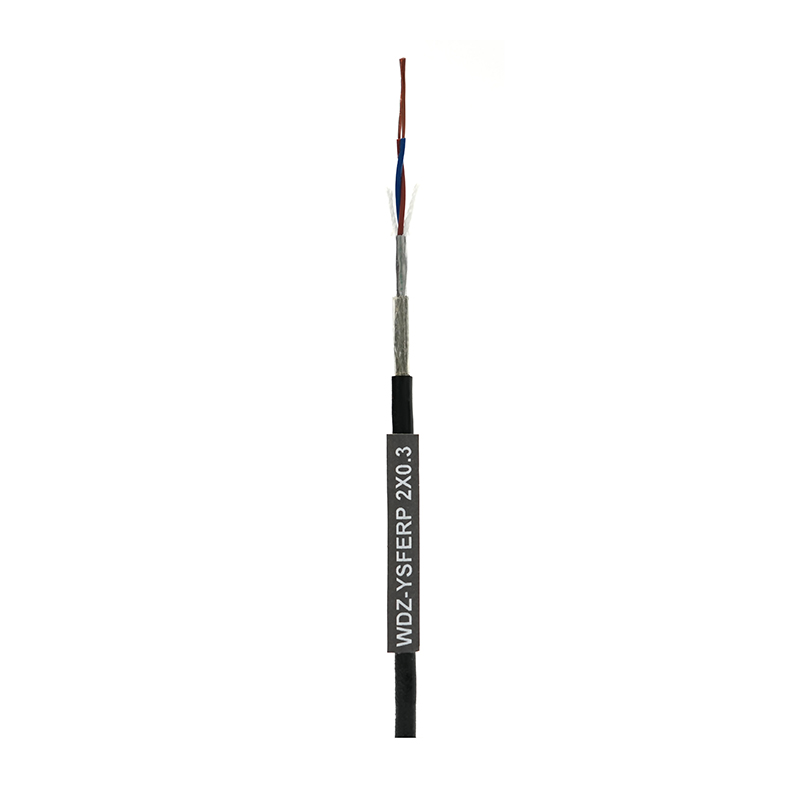
Selecting the correct TUV certified solar cable involves assessing performance specifications, environmental resistance, mechanical flexibility, and installation context. Incorporating certified cables with verified durability and compliance standards is essential for reliable and long-lasting PV system operation. Leveraging suppliers like Yangzhou Yaguang Cable Co., Ltd. provides assurance of high-quality production, system certification, and technical support for B2B solar projects.
FAQ
- What is a TUV certified solar cable specifications guide?
It is a reference document outlining required testing, safety, and performance standards that a solar cable must meet to obtain TUV certification, helping engineers choose compliant products. - How do best TUV certified solar cable for outdoor installation differ from indoor cables?
Outdoor-rated cables have enhanced UV, moisture, and temperature resistance compared to indoor cables, ensuring longevity and system reliability in exposed conditions. - Why is TUV certified DC solar cable performance comparison important?
Comparing DC solar cable performance allows engineers to select cables with optimal voltage, thermal, and mechanical characteristics for specific PV system configurations. - What are typical TUV certified solar cable testing requirements?
Tests include UV exposure, thermal cycling, bending/flexing, dielectric strength, and insulation integrity to ensure cables withstand environmental and electrical stress over time. - How critical are TUV certified solar cable durability standards for B2B procurement?
Durability standards directly affect maintenance costs, system uptime, and long-term ROI in commercial and utility-scale solar projects. Reliable certification ensures reduced failure risk.
 Email:
 Telephone:+86-0514-85086085
 FAX:+86-0514-85086085
 Phone:+86-15861389306