 Email:
  Telephone: +86-0514-85086085
 FAX: +86-0514-85086085
 English
 中文简体
中文简体 русский
 عربى
عربى
In the demanding world of aerospace, every component must perform with unwavering reliability under extreme conditions. Among these critical components, high temperature aircraft cable stands as a fundamental element, ensuring the safe transmission of power and data in environments where ordinary cables would fail. This guide delves deep into the specifics of these specialized cables, offering essential knowledge for engineers, specifiers, and procurement professionals. We will explore their construction, key standards, and vital selection criteria, empowering you to make informed decisions for your most challenging applications.
Content
- 1 Understanding High Temperature Aircraft Cable: More Than Just Heat Resistance
- 2 Key Standards and Certifications for Aviation Cables
- 3 Selecting the Right Cable: A Detailed Comparison Guide
- 4 Top Applications and Performance Requirements
- 5 Partnering with a Professional Manufacturer
- 6 Frequently Asked Questions (FAQs)
- 6.1 1. What is the primary difference between standard aircraft cable and high temperature aircraft cable?
- 6.2 2. How do I determine the correct temperature rating for my application?
- 6.3 3. Are all high temperature aircraft cables also resistant to fluids and chemicals?
- 6.4 4. Why is shielding important in some high temperature cable applications?
- 6.5 5. Can I get custom-designed high temperature cables for a unique aerospace application?
Understanding High Temperature Aircraft Cable: More Than Just Heat Resistance
High temperature aircraft cable is engineered to withstand prolonged exposure to elevated temperatures, often while also resisting fluids, abrasion, and mechanical stress. Its primary purpose is to maintain electrical integrity and insulation properties in engine bays, near auxiliary power units (APUs), and within other high-heat zones of an aircraft.
Core Construction and Materials
The exceptional performance of these cables stems from their sophisticated construction:
- Conductor: Typically high-strength copper or copper alloy, often tinned for additional corrosion protection.
- Insulation: The critical layer, made from advanced polymers like PTFE (Teflon), ETFE, or cross-linked polymers. These materials offer excellent dielectric strength and thermal stability.
- Jacket/Sheath: Provides overall mechanical and environmental protection, using materials similar to the insulation or specialized compounds for added toughness.
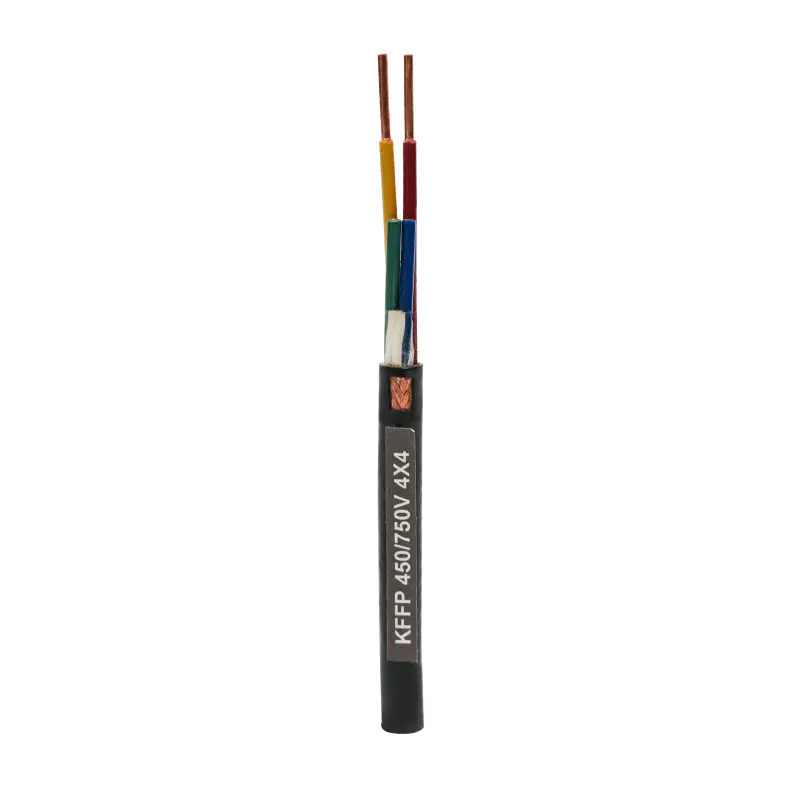
- Shielding: For sensitive avionics and data lines, braided or spiral shields are applied to protect against electromagnetic interference (EMI).
Why Temperature Ratings Are Critical
Selecting a cable with an appropriate temperature rating is not just about the ambient heat. Engineers must consider:
- Continuous operating temperature.
- Short-circuit or overload temperature spikes.
- Heat generated by current flow within the cable itself.
- Combined effects of temperature and other stressors like vibration.
Key Standards and Certifications for Aviation Cables
Compliance with rigorous international standards is non-negotiable in aerospace. These certifications are the benchmark for safety, quality, and performance.
Major Governing Standards
The landscape of aircraft cable standards is defined by several key organizations:
- AS/EN Standards: The AS50881 and EN standards form a foundational framework for wiring aerospace vehicles.
- MIL-DTL Specifications: U.S. military standards like MIL-DTL-22759 and MIL-W-25038 set stringent requirements for performance and testing.
- SAE Aerospace Standards: SAE AS22759 etc., widely adopted in the commercial and military sectors.
- National Authorities: Certifications from bodies like the FAA (Federal Aviation Administration) and EASA (European Union Aviation Safety Agency) are essential for airworthiness.
Understanding Certification Marks
For manufacturers, achieving product certifications is a testament to their capability. Reputable manufacturers, such as Yangzhou Yaguang Cable Co., Ltd, hold multiple system and product certifications. These include vital quality management systems like ISO 9001, alongside specific product approvals from UL, TUV, CCS, ABS, and BV. These marks provide assurance that the cables are produced under controlled processes and meet the published performance criteria, which is crucial for anyone searching for reliable high temperature wire for aviation applications.
Selecting the Right Cable: A Detailed Comparison Guide
Choosing the correct high temperature aircraft cable involves balancing several factors. The table below provides a clear comparison to aid in the selection process for different aircraft zones.
| Aircraft Zone / Application | Primary Threats | Recommended Cable Features | Key Considerations |
|---|---|---|---|
| Engine & APU Compartments | Extreme heat (>200°C), fuel, oil, vibration | PTFE insulation, stainless steel braid, high-flex construction | Requires cables with the highest temperature rating and fluid resistance. |
| Wheel Wells & Landing Gear | Hydraulic fluids, de-icing chemicals, moisture, impact | Robust ETFE or XLPE jacket, excellent abrasion resistance | Cables must withstand harsh chemicals and physical damage. |
| Avionics Bays & Cabin | Moderate heat, EMI/RFI interference, space constraints | Shielded cables, thin-wall insulation, low smoke/toxicity materials | Focus on signal integrity, fire safety (FST standards), and weight. |
| Wing & Fuselage Runs | Temperature cycling, condensation, airframe flexing | Flexible construction, moisture-resistant materials, wide temp range | Cables need durability against long-term environmental stress. |
For instance, when dealing with the intense environment of an engine compartment, specifying a PTFE insulated wire for extreme environments is often the default and necessary choice due to its superior thermal and chemical properties.
Top Applications and Performance Requirements
The use of high-temperature cables extends across the entire aircraft. Understanding the specific demands of each application ensures optimal system reliability.
Engine Instrumentation and Control
Cables in this area are the lifeline for engine management systems.
- They carry signals from EGT (Exhaust Gas Temperature) probes, pressure sensors, and speed sensors.
- Demand extreme thermal stability to prevent signal drift or loss.
- Must be immune to EMI from high-power ignition systems.
This is a classic scenario where utilizing MIL-DTL-22759 compliant wire provides a proven solution that meets the rigorous testing protocols for such critical functions.
Flight Control and Actuation Systems
These systems depend on flawless power and signal transmission.
- Cables connect fly-by-wire computers to hydraulic valves and electric actuators.
- Require exceptional flex life and vibration resistance for moving parts.
- Redundancy is often built in, necessitating reliable, long-lasting cable performance.
Auxiliary System Power Distribution
Powering systems like galleys, lighting, and environmental controls.
- Cables may run through areas with varying temperatures.
- Need to handle higher currents safely without excessive heat buildup.
- Selecting the appropriate aircraft engine compartment wiring specifications for power feeders near heat sources is vital to prevent insulation degradation and potential failure.
Partnering with a Professional Manufacturer
The complexity of aerospace cabling makes the choice of manufacturer paramount. A partner with deep expertise, comprehensive certifications, and a commitment to quality is essential.
The Importance of Technical Expertise and Support
A professional manufacturer does more than produce cable; they provide engineering support.
- They assist in material selection and specification review.
- They offer customization, such as specific shielding or jacketing for unique aviation high-temperature cable solutions.
- They ensure traceability and documentation, which is critical for maintenance and regulatory compliance.
Yangzhou Yaguang Cable: A Case Study in Dedication
Founded in 1998, Yangzhou Yaguang Cable Co., Ltd. exemplifies the specialized manufacturer essential to this industry. Nationally recognized as a "specialized and sophisticated little giant enterprise," the company has built its reputation over 25 years on a pragmatic spirit and dedication to the cable business. Operating from a 56,000 square meter facility with modern production and testing equipment, Yaguang holds a comprehensive suite of certifications (ISO 9001, ISO 14001, ISO 45001, UL, TUV, CCS, ABS, BV). Their capability to produce over 10,000 specifications of cable to international standards, including high-performance aerospace cables, and provide OEM services, makes them a confident choice for global customers seeking reliable quality, reasonable pricing, and exceptional service. For projects requiring flexible high temp cable for aerospace, such a manufacturer's ability to balance performance with durability is invaluable.
Frequently Asked Questions (FAQs)
1. What is the primary difference between standard aircraft cable and high temperature aircraft cable?
The core difference lies in the insulation and jacket materials. High temperature cables use advanced polymers like PTFE or ETFE that can continuously withstand temperatures often exceeding 200°C, while maintaining their mechanical and electrical properties. Standard cables use materials like PVC or standard polyethylene, which would quickly degrade under such heat.
2. How do I determine the correct temperature rating for my application?
You must consider the maximum ambient temperature the cable will be exposed to, plus any heat rise generated by the current flowing through the conductor itself. Always add a safety margin. Consulting the application's technical specifications and partnering with a knowledgeable cable manufacturer for review is highly recommended.
3. Are all high temperature aircraft cables also resistant to fluids and chemicals?
Not automatically. While many high-temperature materials like PTFE inherently have good chemical resistance, the specific fluid resistance must be verified against the cable's qualification data. Always check the manufacturer's specifications for resistance to specific fluids like jet fuel, Skydrol (hydraulic fluid), or oils.
4. Why is shielding important in some high temperature cable applications?
Shielding, typically a braided metal layer, is crucial in applications involving sensitive avionics or data transmission. It protects the signal from electromagnetic interference (EMI) generated by nearby high-power systems like radar, engines, or actuators, ensuring data integrity and system reliability.
5. Can I get custom-designed high temperature cables for a unique aerospace application?
Yes, professional manufacturers like Yangzhou Yaguang Cable Co., Ltd. often provide OEM and customization services. This can include specific conductor sizes, custom color coding, unique shielding configurations, or tailored jacket materials to meet exact application requirements, including stringent aviation high-temperature cable solutions for next-generation aircraft.
 Email:
 Telephone:+86-0514-85086085
 FAX:+86-0514-85086085
 Phone:+86-15861389306