 Email:
  Telephone: +86-0514-85086085
 FAX: +86-0514-85086085
 English
 中文简体
中文简体 русский
 عربى
عربى
Instrumentation cable is built to protect low-level signals from noise; control cable is built to reliably switch power to actuators, relays, and motor starters. The two are often installed side by side in the same facility but serve fundamentally different electrical purposes, which is reflected in their construction — instrumentation cable prioritizes shielding and twisted-pair noise rejection, while control cable prioritizes conductor gauge sized for switching current and insulation rated for the voltage being controlled.
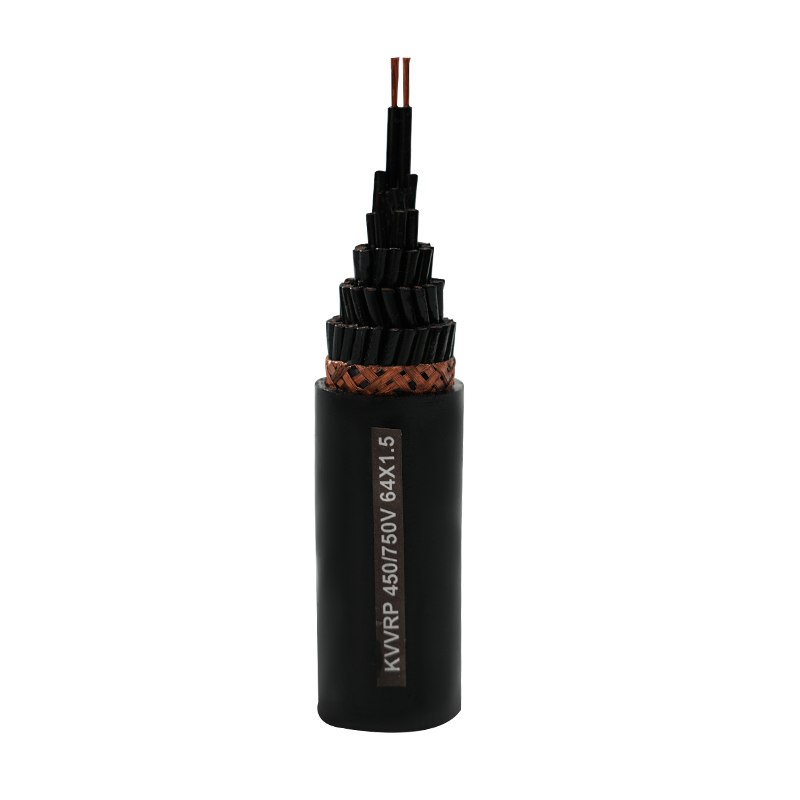
Control cable typically carries higher current at higher voltage than instrumentation cable, and while some control cables include shielding for noise-sensitive applications, shielding is not the defining feature the way it is for instrumentation cable. Mixing the two up in a spec — using control cable for a sensitive analog signal circuit, for example — commonly results in signal noise and measurement drift that's hard to diagnose after installation.
Content
- 1 Instrumentation Cable vs Signal Cable
- 2 Shielded vs Unshielded Instrumentation Cable
- 3 Selecting Instrumentation Cable for Industrial Applications
- 4 Instrumentation Cable for Process Control Systems
- 5 Instrumentation Cable for Oil and Gas Applications
- 6 Instrumentation Cable for Industrial Automation
- 7 Low-Voltage Instrumentation Cable Applications
- 8 Fire-Resistant and Armored Instrumentation Cable
Instrumentation Cable vs Signal Cable
"Signal cable" is a broader, less precisely defined term that can refer to instrumentation cable, data communication cable, audio/video cable, or other low-voltage signal-carrying cable types depending on industry context. Instrumentation cable is best understood as a specific subset of signal cable — purpose-built for industrial process signals (analog loops, temperature sensors, low-voltage digital) with shielding, twisted-pair construction, and jacket materials suited to industrial environments.
When a spec simply says "signal cable" without further detail, it's worth clarifying whether the application actually needs the noise-rejection features specific to instrumentation cable, or whether a general low-voltage signal cable without shielding would suffice — using the more specific instrumentation cable spec by default is the safer choice in any industrial process environment.
Shielded vs Unshielded Instrumentation Cable
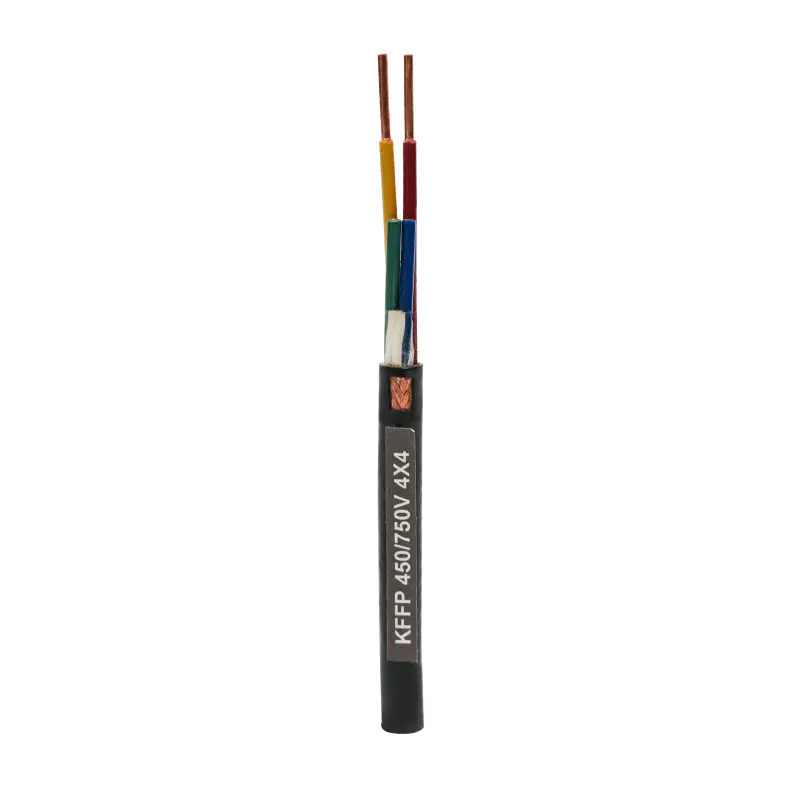
Shielded cable is the standard choice for most industrial instrumentation applications, since unshielded cable offers no protection against electromagnetic interference from nearby power equipment. Unshielded instrumentation cable does exist and is used in low-noise environments, or where the signal type is inherently more noise-tolerant (some higher-voltage digital signals, for example), but it's the exception rather than the default in typical industrial settings.
| Factor | Shielded Cable | Unshielded Cable |
|---|---|---|
| Noise protection | High, blocks EMI/RFI | None |
| Cost | Higher | Lower |
| Best suited for | Analog signals, environments with power equipment nearby | Low-noise environments, non-sensitive digital signals |
Selecting Instrumentation Cable for Industrial Applications
Selection for industrial applications broadens beyond basic electrical specs to include environmental durability, hazardous area classification, and compliance with facility-specific codes. Match the cable to the harshest condition it will actually face along its full route — a cable that's fine in a control room but runs through an outdoor, chemically exposed, or vibration-heavy section needs a jacket and construction rated for that worst-case segment, not just the average condition.
- Confirm hazardous area classification requirements (if applicable) before finalizing cable and installation method
- Check chemical, oil, and UV exposure along the full cable route, not just the point of installation
- Verify temperature rating against both ambient conditions and any process heat exposure
- Confirm compliance with relevant national and facility electrical codes for the installation type
Instrumentation Cable for Process Control Systems
Process control systems depend on accurate, stable signal transmission between field instruments and the control system, since any noise or drift introduced in the cable directly translates into measurement error or control instability. Instrumentation cable in process control applications typically runs as multi-pair cable from a field junction box back to a marshalling cabinet or control room, consolidating many individual instrument signals into a manageable cable count.
Cable routing in process plants often runs cable trays alongside power cable, which makes shielding and proper separation distance from power conductors particularly important — even well-shielded cable benefits from physical separation from high-current power runs where tray space allows.
Instrumentation Cable for Oil and Gas Applications
Oil and gas facilities place some of the most demanding requirements on instrumentation cable: hazardous area classifications requiring specific cable and installation methods, exposure to hydrocarbons and chemicals requiring resistant jacket materials, and often extreme temperature ranges from equipment in both offshore and desert environments. Cable used in classified hazardous areas must meet specific approvals for the zone or division it's installed in, which affects both cable construction and permitted installation methods.
Armored instrumentation cable is common in oil and gas installations specifically because of the mechanical protection it adds against the physical hazards typical of these sites — vibration, impact, rodent damage in buried runs, and general rough handling during construction and maintenance.
Instrumentation Cable for Industrial Automation
Industrial automation systems rely on instrumentation cable to connect sensors, encoders, and I/O modules to PLCs and automation controllers, often across facilities with significant EMI from variable frequency drives, servo drives, and other switching power electronics. Cable specified for automation applications frequently prioritizes both shielding and flexibility, particularly for connections to moving equipment or machine sections requiring cable flex during operation.
Low-Voltage Instrumentation Cable Applications
Low-voltage instrumentation cable applications span nearly every industry with process monitoring or automated control: water and wastewater treatment plant instrumentation, building automation and HVAC control systems, power generation plant monitoring, and food/beverage processing sensor networks all rely on the same core noise-rejection principles even as specific environmental and code requirements vary by industry.
Fire-Resistant and Armored Instrumentation Cable
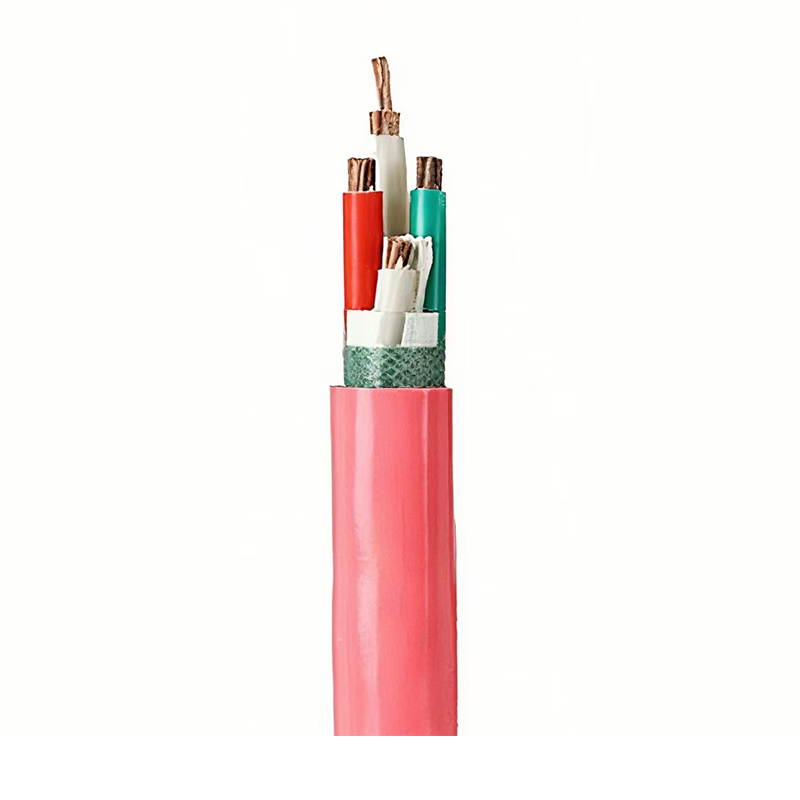
Fire-resistant instrumentation cable is designed to continue functioning for a specified period during fire exposure, which matters for critical monitoring and safety circuits that need to remain operational during an emergency rather than failing along with general power and data cabling. These cables use fire-resistant insulation materials and construction methods tested and rated to maintain circuit integrity under defined fire and temperature exposure conditions, distinct from simply being flame-retardant (which limits fire spread but doesn't guarantee continued function).
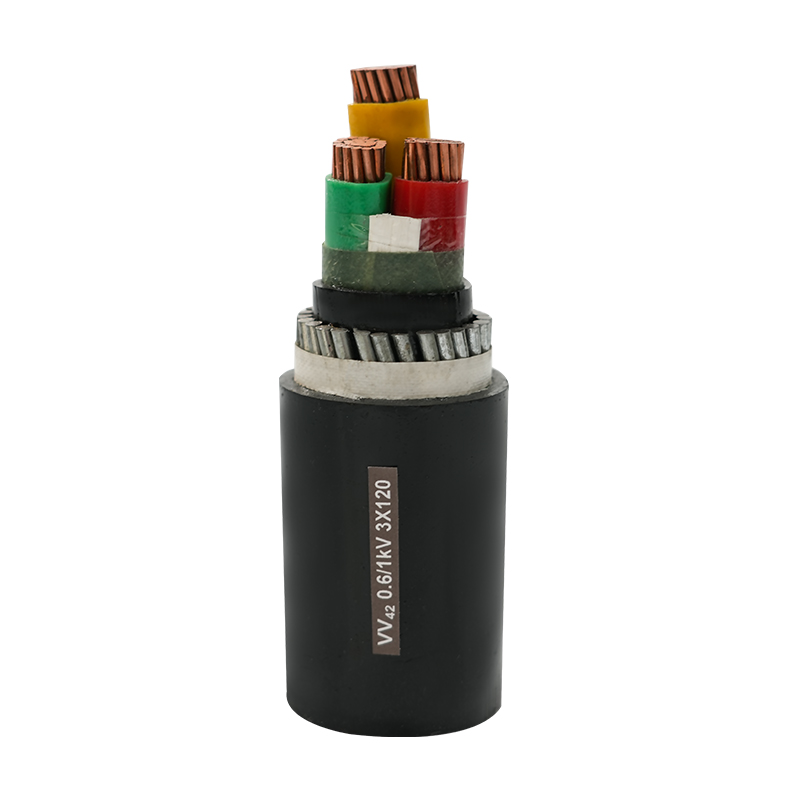
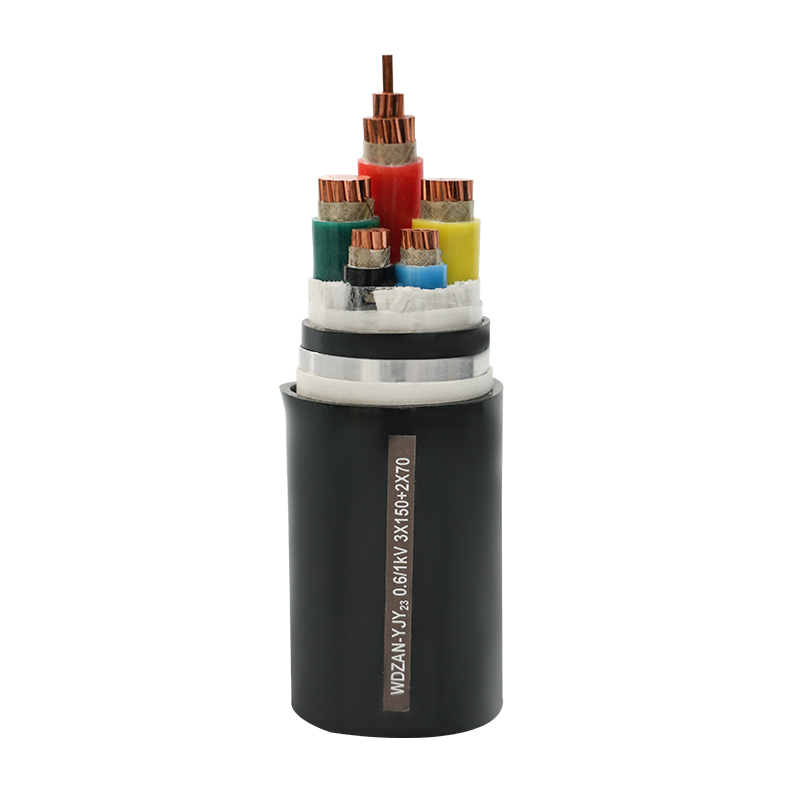
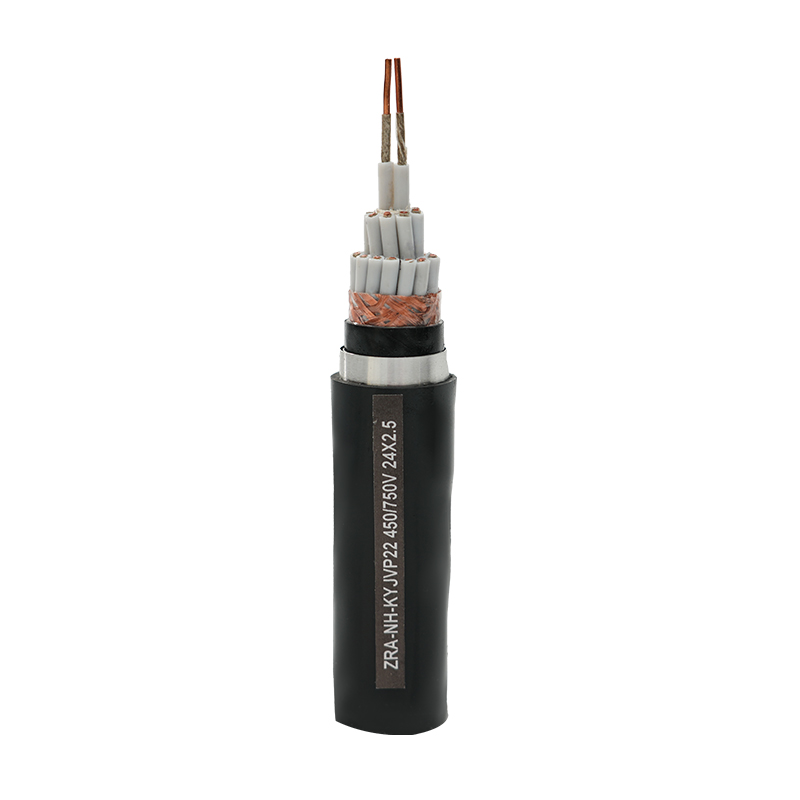
Armored instrumentation cable adds a metallic layer — typically steel wire or steel tape armor — beneath the outer jacket, providing mechanical protection against crushing, impact, and rodent damage. This is especially relevant for direct-buried cable runs, cable exposed to heavy foot or vehicle traffic, or installations in industrial areas where mechanical damage risk is higher than in a typical cable tray or conduit run.
 Email:
 Telephone:+86-0514-85086085
 FAX:+86-0514-85086085
 Phone:+86-15861389306