 Email:
  Telephone: +86-0514-85086085
 FAX: +86-0514-85086085
 English
 中文简体
中文简体 русский
 عربى
عربى
In the high-stakes environments of shipbuilding and offshore oil and gas exploration, the integrity of electrical infrastructure is non-negotiable. An ABS/BV Certified Marine Offshore Cable represents the pinnacle of maritime safety engineering, designed to withstand extreme thermal fluctuations, mechanical stress, and chemical exposure. These certifications from the American Bureau of Shipping (ABS) and Bureau Veritas (BV) ensure that the cable meets rigorous international standards for fire safety, low toxicity, and structural durability. This guide provides an engineer-level analysis of why these specifications are vital for modern fleet operations and offshore platforms.
Content
- 1 1. Understanding Certification Standards: ABS vs. BV Compliance
- 2 2. Advanced Material Science: Flame Retardancy and Low Smoke
- 3 3. Specialized Solutions: Mud Resistance and Mechanical Armoring
- 4 4. Operational Considerations: Power and Control Distribution
- 5 5. Installation and Long-Term Maintenance
- 6 Frequently Asked Questions (FAQ)
- 6.1 1. Why is ABS/BV Certified Marine Offshore Cable required for commercial vessels?
- 6.2 2. What makes a flame retardant marine cable different from a fire-resistant one?
- 6.3 3. When should I choose tinned copper wire braided marine cable?
- 6.4 4. Is shielded marine control cable necessary for all data lines?
- 6.5 5. Can I use standard industrial cables instead of marine power cable for offshore rigs?
- 7 Industry References
1. Understanding Certification Standards: ABS vs. BV Compliance
While both ABS and BV belong to the International Association of Classification Societies (IACS), they emphasize slightly different testing methodologies for marine electricals. ABS/BV Certified Marine Offshore Cable must undergo type approval and routine testing to ensure the insulation and jacketing materials remain stable in saline-heavy atmospheres. While ABS often focuses on North American and global offshore drilling standards, BV is frequently preferred for European maritime projects. Despite these regional preferences, the core requirement remains the same: the cable must prevent electrical failure even when submerged or exposed to salt spray.
| Criteria | ABS Certification Focus | BV Certification Focus |
| Primary Jurisdiction | Global / North American Offshore | European / International Shipping |
| Testing Basis | IEEE 1580 / UL 1309 | IEC 60092 Series |
| Performance Verification | Strict Type Approval (TA) | Manufacturing Survey & TA |
2. Advanced Material Science: Flame Retardancy and Low Smoke
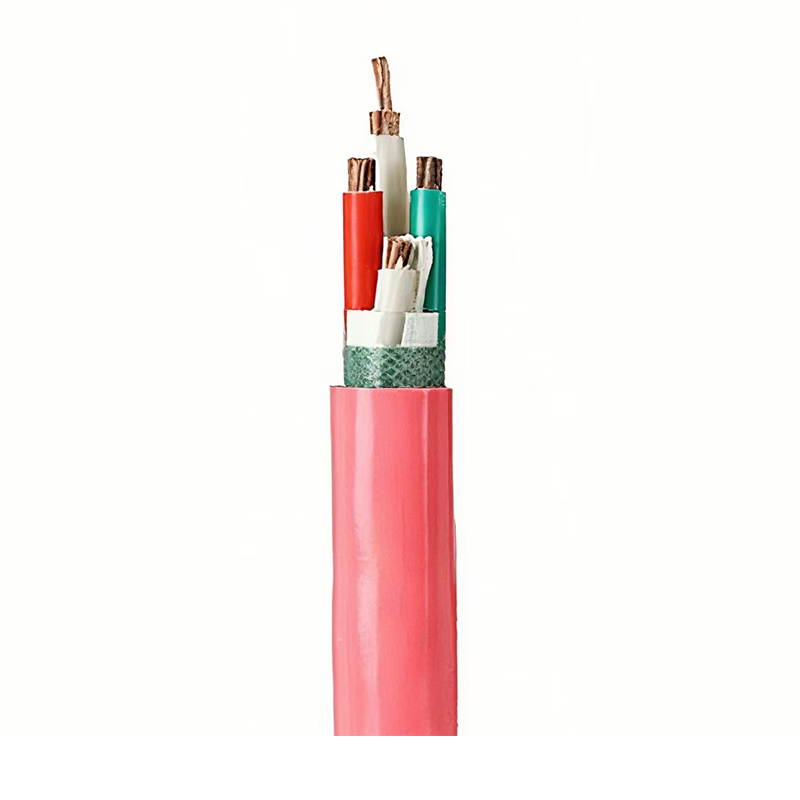
In confined vessel spaces, smoke inhalation and fire spread are the primary threats during an emergency. A flame retardant marine cable is engineered using Halogen-Free Flame Retardant (HFFR) compounds. These materials differ from standard industrial cables because they do not emit toxic halogen gases like hydrogen chloride when burned. Furthermore, LSZH marine cable for shipbuilding (Low Smoke Zero Halogen) ensures maximum visibility for crew evacuation during fire incidents. While standard PVC cables might offer basic fire resistance, HFFR/LSZH cables are tested under IEC 60332-3-22 Category A standards to ensure the flame does not propagate along the cable run.
| Material Property | Standard Industrial Cable (PVC) | LSZH Marine Cable for Shipbuilding |
| Flame Propagation | High; flammable drips | Self-extinguishing; no propagation |
| Smoke Density | Dense, opaque smoke | Minimal, translucent smoke |
| Toxicity (Halogen) | High HCl emission | Zero Halogen; non-corrosive |
3. Specialized Solutions: Mud Resistance and Mechanical Armoring
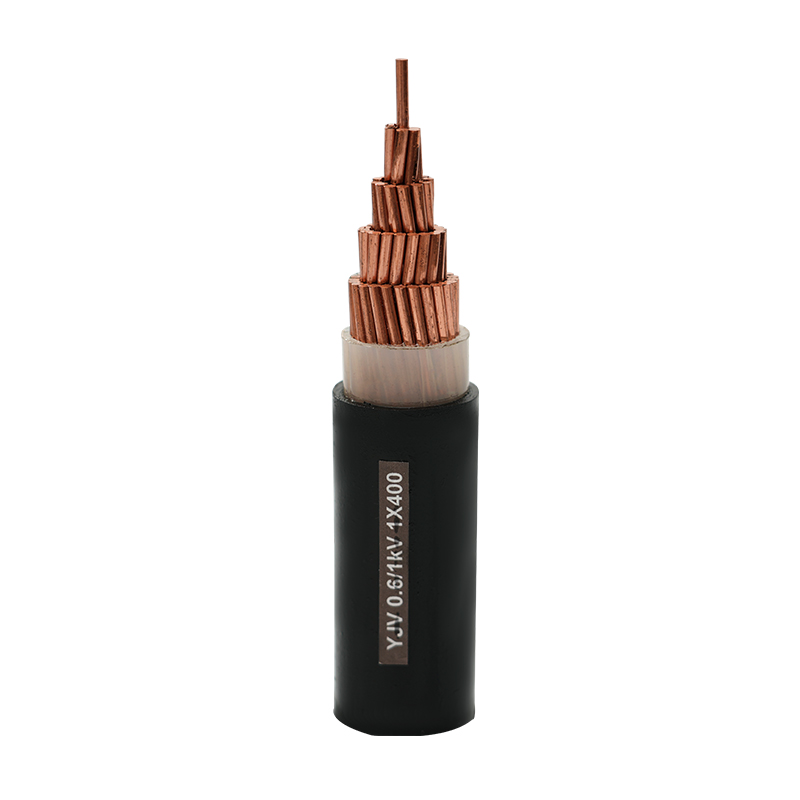
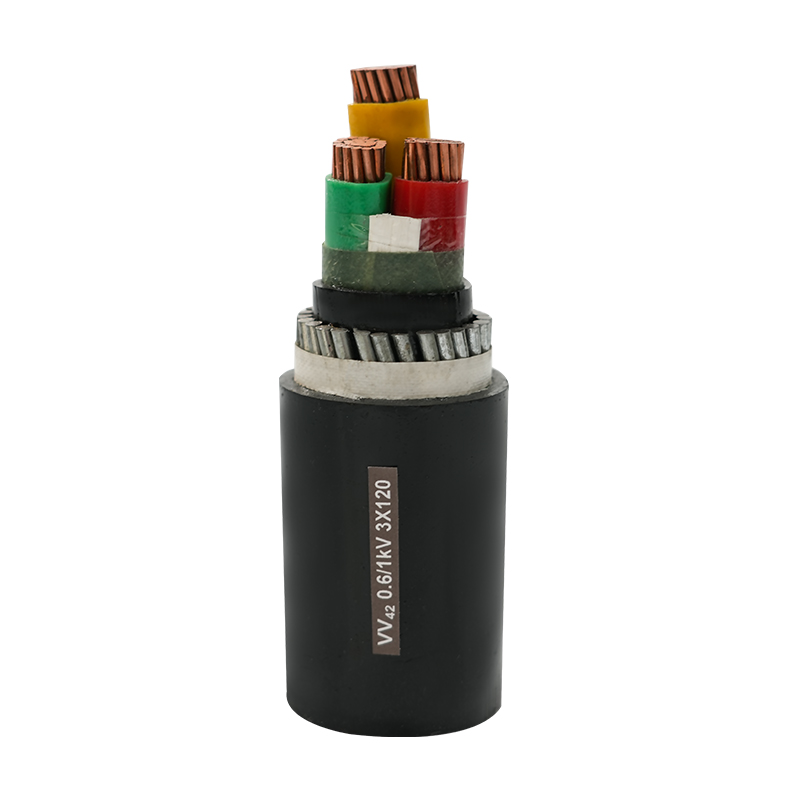
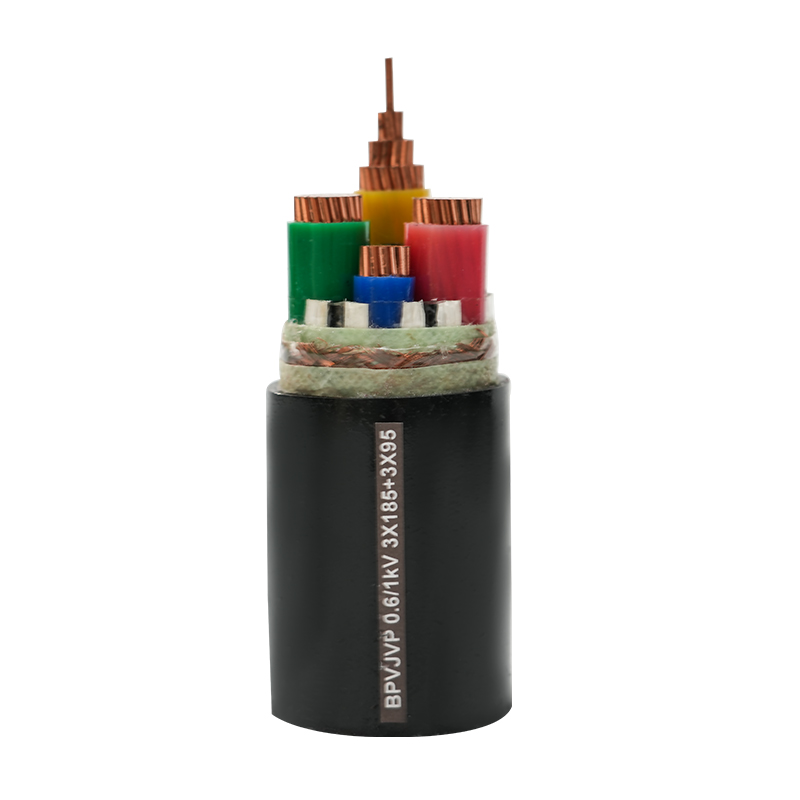
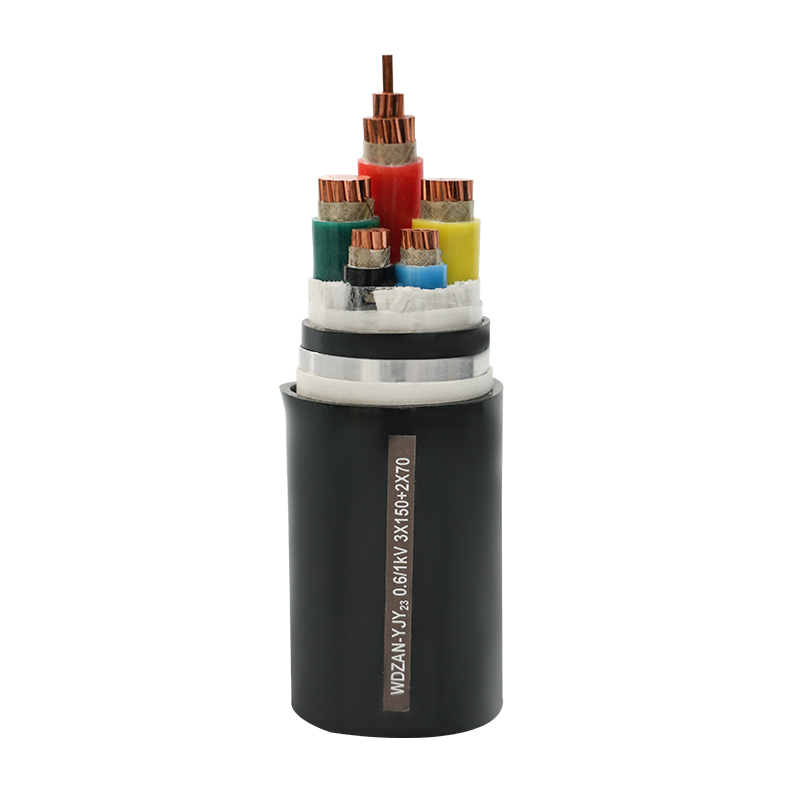
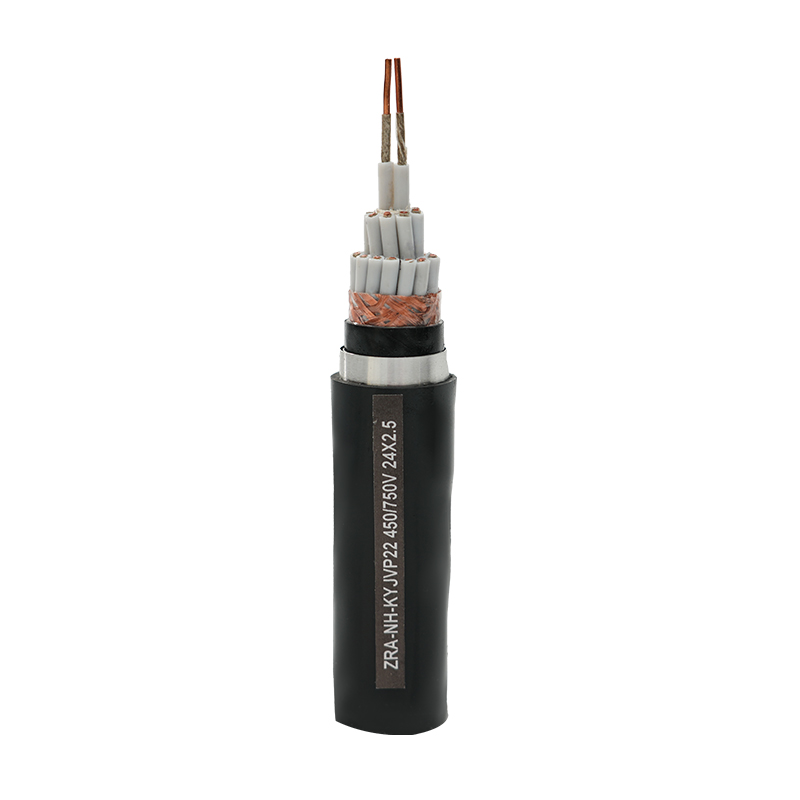
Offshore drilling rigs operate in environments saturated with drilling fluids and hydrocarbon-based muds. A mud resistant offshore cable features a specialized outer sheath, usually compliant with NEK 606 standards, which prevents the chemicals from penetrating the insulation and causing short circuits. When comparing mud resistant vs standard marine cable, the mud-resistant variant undergoes an oil-aging test for several weeks to prove its structural longevity. For physical protection, these cables often incorporate a tinned copper wire braided marine cable armor, which provides superior corrosion resistance compared to bare copper, alongside electromagnetic interference (EMI) shielding.
Key Structural Features:
- High-Tenacity Armoring: Protects against vibration and mechanical impact.
- Cross-linked Polyethylene (XLPE): Provides a higher operating temperature limit (up to 90°C).
- Tinned Copper Conductors: Essential for preventing the ""black plague"" corrosion in salt-air environments.
4. Operational Considerations: Power and Control Distribution
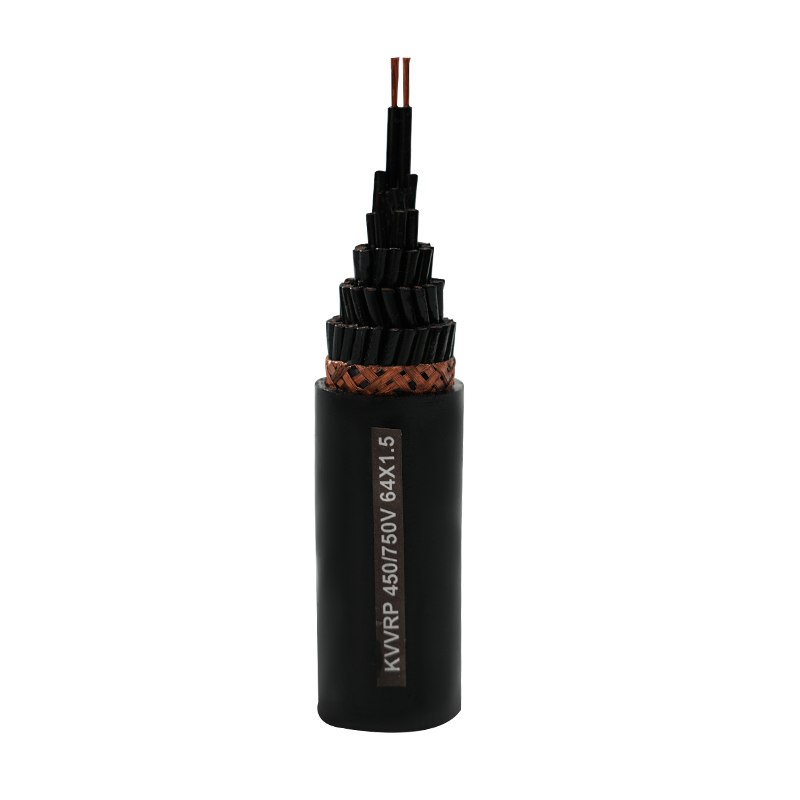
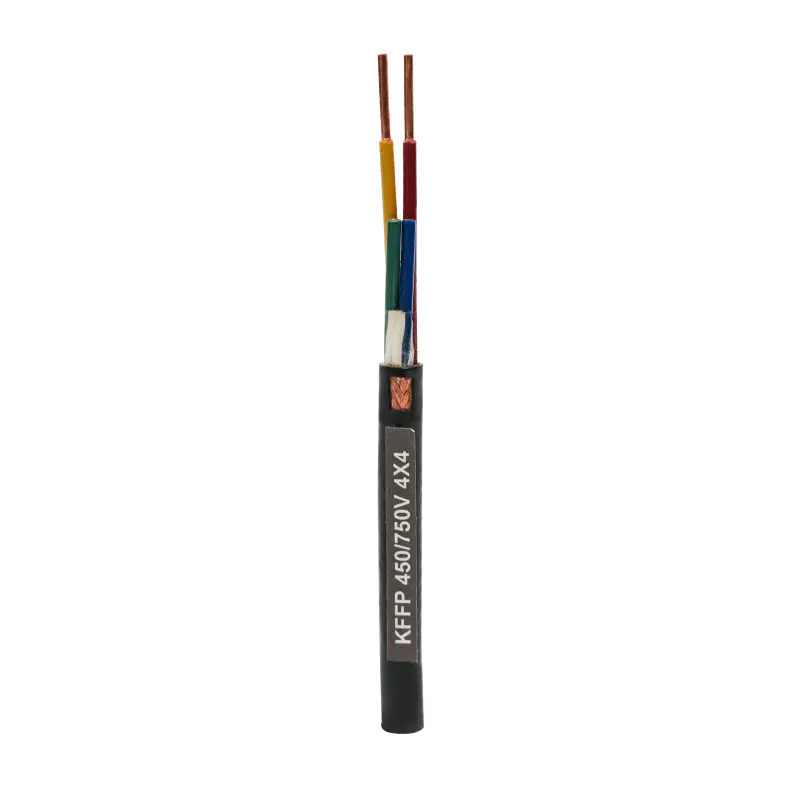
The marine power cable for offshore rigs must handle high-voltage loads while remaining flexible enough for installation in tight cable trays. Engineers must calculate the voltage drop and current-carrying capacity based on the ambient temperature of the engine room or deck. For signal integrity, shielded marine control cable is used to prevent crosstalk between critical navigation systems and heavy power machinery. The selection between armored vs unarmored offshore cable usually depends on the installation zone; unarmored cables are suitable for protected interior conduit, while armored versions are mandatory for open deck exposure.
| Zone of Installation | Cable Type Recommendation | Mechanical Protection Required |
| Open Deck / Hazardous Areas | Armored vs Unarmored Offshore Cable (Armored) | Steel or Tinned Copper Braid |
| Accommodation / Bridge | Unarmored LSZH | Minimal (Standard conduit) |
| Drilling Floor | Mud Resistant Offshore Cable | High-grade polymer + Armor |
5. Installation and Long-Term Maintenance
The lifespan of an ABS/BV Certified Marine Offshore Cable is heavily influenced by how to install offshore marine cable correctly. Over-bending the cable beyond its minimum bend radius can cause micro-fractures in the insulation. Proper marine cable gland selection is also crucial to maintain the IP-rating of junction boxes. Regular inspections should focus on the integrity of the outer sheath, especially in areas where VFD marine cable for propulsion systems is subject to high-frequency harmonic vibrations.
Frequently Asked Questions (FAQ)
1. Why is ABS/BV Certified Marine Offshore Cable required for commercial vessels?
Classification societies like ABS and BV act as insurance for maritime safety. Without certified cables, a vessel may fail safety audits, leading to the loss of insurance coverage and denial of entry into international ports.
2. What makes a flame retardant marine cable different from a fire-resistant one?
A flame-retardant cable prevents the fire from spreading but may stop working during the fire. A fire-resistant cable (circuit integrity) is designed to continue functioning (e.g., for emergency lighting or fire pumps) for a specific duration during a fire.
3. When should I choose tinned copper wire braided marine cable?
Tinned copper should always be used in marine environments. The tin coating protects the copper from oxidizing when exposed to salt and moisture, significantly extending the cable's electrical life.
4. Is shielded marine control cable necessary for all data lines?
Yes, on modern vessels filled with electronic sensors and high-power motors, shielding is necessary to prevent electromagnetic interference from corrupting data signals between the bridge and the engine room.
5. Can I use standard industrial cables instead of marine power cable for offshore rigs?
No. Standard industrial cables usually contain PVC and lack the necessary oil resistance, flame retardancy, and saltwater protection required by maritime law and ABS/BV standards.
Industry References
- IEC 60092-350: Electrical installations in ships — Part 350: Low-voltage shipboard power cables.
- IEEE 1580: Recommended Practice for Marine Cable for Use on Shipboard and Fixed or Floating Platforms.
- NEK 606: Cables for offshore installations; Halogen-free and/or mud-resistant.
- ABS Rules for Building and Classing Marine Vessels - Part 4: Vessel Systems and Machinery.
 Email:
 Telephone:+86-0514-85086085
 FAX:+86-0514-85086085
 Phone:+86-15861389306