 Email:
  Telephone: +86-0514-85086085
 FAX: +86-0514-85086085
 English
 中文简体
中文简体 русский
 عربى
عربى
In the demanding world of aviation and aerospace, every component must perform flawlessly under extreme conditions. At the heart of critical aircraft systems lies a component whose reliability is non-negotiable: the high temperature aircraft cable. These specialized cables are engineered to withstand the intense heat generated within engine bays, near auxiliary power units, and in other high-stress zones, ensuring uninterrupted power and signal transmission. This comprehensive guide delves into the technical specifications, material science, and selection criteria for these vital components, offering deep insights for engineers, procurement specialists, and aviation professionals. As a professional manufacturer with over 25 years of expertise, Yangzhou Yaguang Cable Co., Ltd. understands that the integrity of these cables is paramount to operational safety and efficiency. Our commitment to rigorous standards, such as ISO 9001 and AS/EN certifications, underscores our dedication to producing cables that meet the exacting demands of the global aerospace industry.
Content
- 1 Understanding High Temperature Aircraft Cable: Core Principles and Applications
- 2 Navigating Selection: Key Long-Tail Queries Answered
- 3 Material Deep Dive: What Makes These Cables Withstand the Heat?
- 4 Application Scenarios and Selection Guidelines
- 5 FAQs: Frequently Asked Questions on High Temperature Aircraft Cables
- 5.1 1. What is the primary difference between commercial and military-grade high temperature aircraft cable?
- 5.2 2. Can I use a standard industrial high-temperature wire in an aircraft application?
- 5.3 3. How often should high temperature aircraft wiring be inspected or replaced?
- 5.4 4. Does the conductor size (AWG) affect the temperature rating of the cable?
- 5.5 5. What does the certification process for an aircraft cable supplier entail?
- 6
- 7 References
Understanding High Temperature Aircraft Cable: Core Principles and Applications
High temperature aircraft cables are not merely standard wires with a higher heat tolerance. They are complex assemblies designed from the ground up to resist thermal degradation, chemical exposure, and mechanical stress simultaneously. Their primary function is to maintain electrical integrity in environments where temperatures can routinely exceed 200°C, preventing failures that could lead to system malfunctions or safety hazards.
Key Characteristics and Performance Metrics
Thermal Endurance
- Continuous Operating Temperature: The maximum temperature at which the cable can operate continuously without significant degradation. Common ratings include 150°C, 200°C, 260°C, and up to 450°C for specialized applications.
- Thermal Shock Resistance: Ability to withstand rapid temperature cycles without cracking or losing insulation properties.
Electrical Integrity Under Heat
- Dielectric Strength: The insulation's ability to prevent electrical breakdown at high temperatures.
- Stable Impedance: Critical for signal cables to ensure data transmission accuracy in heated environments.
Material and Construction
The performance hinges on advanced materials. For instance, while silicone rubber offers excellent flexibility and a wide temperature range, PTFE (Teflon) provides superior chemical resistance and a higher continuous temperature rating. The choice between them depends on the specific application's priority. For example, silicone-insulated cables are often favored for their flexibility in tight engine compartments, whereas PTFE-insulated cables might be chosen for areas exposed to fuels and hydraulic fluids.
The table below contrasts two common insulation materials:
| Property | Silicone Rubber | PTFE (Polytetrafluoroethylene) |
| Typical Temp Range | -60°C to +200°C | -70°C to +260°C |
| Flexibility | Excellent | Good |
| Chemical Resistance | Good | Exceptional |
| Flame Resistance | Self-extinguishing | Non-flammable |
| Primary Application Focus | General high-temp zones, areas requiring flexing | High-temp areas with exposure to aggressive fluids |
Professionals often have specific queries when sourcing these critical components. Addressing these long-tail keywords directly helps in making informed decisions.
1. high temperature aircraft cable specifications and standards
Adherence to specifications is not optional; it's a regulatory and safety imperative. Key standards include:
- AS/EN Standards: The backbone of aerospace wiring. For instance, AS22759/32 specifies PTFE-insulated, nickel-plated copper wire.
- MIL Standards: Such as MIL-W-22759, which details performance requirements for insulated electrical wires.
- SAE Standards: Like AMS 3617, covering polytetrafluoroethylene insulated wire.
Yangzhou Yaguang Cable Co., Ltd. produces cables in strict compliance with these international standards, ensuring global interoperability and safety. Our capability to offer OEM service according to customized requirements means we can tailor cables to meet precise specification sheets from clients.
2. best insulation for extreme heat aircraft wiring
The "best" insulation is application-dependent. Beyond silicone and PTFE, other materials include:
- Polyimide (Kapton) Tapes/Films: Used for extremely high temperatures and thin-wall requirements.
- Ceramic Beads/Fiberglass: For very high-temperature zones (e.g., >400°C), often used as an over-braid.
The selection matrix depends on balancing temperature, flexibility, weight, and cost. For wiring in extreme heat near engines, a composite approach using PTFE insulation with a fiberglass over-braid might be the optimal solution[1].
3. PTFE vs silicone aircraft wire comparison
This is a fundamental choice in aircraft electrical design. The previous table outlined key differences, but the operational context is crucial.
For dynamic applications with constant vibration and movement, silicone's superior flexibility reduces stress on conductors. For static runs in areas prone to fluid leaks, PTFE's inert nature provides longer service life. A direct comparison shows that while PTFE generally handles higher continuous temperatures, silicone can offer better performance in sub-zero conditions combined with high heat cycles.
4. how to test high temperature wire for aviation
Rigorous testing validates performance claims. Standard tests include:
- Thermal Aging: Cables are exposed to elevated temperatures for extended periods, then tested for dielectric strength and flexibility.
- Flame Resistance Test: Verifying the cable's self-extinguishing properties per standards like FAR 25.853.
- Fluid Immersion: Testing insulation resistance after exposure to Skydrol, jet fuel, or other fluids.
As a manufacturer equipped with 480 sets of modern production equipment and testing equipment, Yaguang integrates testing throughout the production process, ensuring every batch meets the certified performance metrics before shipment.
5. certified military grade aircraft cable suppliers
Sourcing from a certified supplier is critical for mission assurance. Key indicators include:
- Possession of relevant product certifications (UL, BV, ABS for specific types, and compliance with MIL specs).
- A robust quality management system certified to ISO 9001:2015.
- A proven track record as a supplier to the aerospace industry.
Yangzhou Yaguang Cable Co., Ltd., recognized as a specialized and sophisticated little giant enterprise and a qualified supplier for world-class corporations, embodies these qualities. Our certifications, including ISO 9001, ISO 14001, ISO 45001, and various product approvals (UL, TUV, CCS, ABS, BV), provide assurance of our capability to deliver certified military grade and commercial aerospace cable solutions.
Material Deep Dive: What Makes These Cables Withstand the Heat?
The exceptional performance of high temperature aircraft cable stems from a synergistic combination of conductor, insulation, and shielding materials.
Conductor Materials
- Silver-Plated or Nickel-Plated Copper: Standard for high-temp applications. The plating prevents oxidation of the copper at high temperatures, which would increase resistance. Nickel plating is preferred for the highest temperature ranges[2].
- Copper or Copper Alloys: Used for their excellent conductivity and balance of properties.
Insulation and Jacket Materials
As discussed, silicone and PTFE are primary. ETFE is another high-performance fluoropolymer offering a balance of properties. The evolution of material science continues to push boundaries, with nanocomposite insulations showing promise for even higher temperature and radiation resistance[3].
Shielding and Protection
- Metal Braids (Tin-plated copper, aluminum): For EMI/RFI shielding and mechanical protection.
- Fiberglass or Aramid Braids: For additional thermal protection and tensile strength without significant weight addition.
Application Scenarios and Selection Guidelines
Matching the cable to its operational environment is crucial. Here’s a guideline based on common aircraft zones:
Engine Compartment and APU Areas
- Environment: Highest temperatures, direct flame risk, exposure to oils/fuels, vibration.
- Cable Choice: PTFE or Polyimide insulated, nickel-plated conductors, with stainless steel or Inconel over-braid. Must meet the most stringent flame and smoke toxicity standards.
Wheel Wells and Landing Gear
- Environment: Wide temperature swings, hydraulic fluid exposure, debris impact.
- Cable Choice: Robust jacket (often ETFE or cross-linked polymers), excellent fluid resistance, and mechanical toughness are key.
Cabin and Avionics Bays
- Environment: Moderate temperatures, focus on fire safety (low smoke, low toxicity), and EMI protection for sensitive signals.
- Cable Choice: Cables with specialized low-smoke-zero-halogen (LSZH) jackets or insulated with materials that meet cabin air quality standards.
FAQs: Frequently Asked Questions on High Temperature Aircraft Cables
1. What is the primary difference between commercial and military-grade high temperature aircraft cable?
While both must meet extreme reliability standards, military-grade cables (per MIL specifications) often have additional requirements for performance under broader environmental extremes, stricter traceability, and sometimes enhanced shielding for combat systems. The core principles of high-temperature resistance, however, remain equally critical for both.
2. Can I use a standard industrial high-temperature wire in an aircraft application?
It is strongly discouraged and typically non-compliant. Aircraft cables must meet specific aerospace standards (AS, EN, MIL) that encompass not just temperature but also weight, flame resistance, smoke toxicity, fluid compatibility, and vibration endurance. Using non-certified wire compromises safety and violates aviation regulations.
3. How often should high temperature aircraft wiring be inspected or replaced?
Inspection intervals are dictated by the aircraft's maintenance program (often based on flight hours or cycles). Visual inspections look for cracking, chafing, discoloration, or stiffness of insulation. There is no single replacement interval; it's condition-based. However, wiring in extreme environments like engine bays may have recommended service life limits from the manufacturer.
4. Does the conductor size (AWG) affect the temperature rating of the cable?
Indirectly, yes. A higher current through a conductor generates more heat (I²R loss). Therefore, a properly sized conductor for the electrical load is essential to prevent the wire itself from exceeding its rated temperature, even if the ambient environment is within spec. Undersized wires will overheat and fail prematurely.
5. What does the certification process for an aircraft cable supplier entail?
It involves a rigorous audit of the supplier's Quality Management System (QMS), manufacturing processes, testing capabilities, and material traceability. Agencies like the FAA (via PMA) or EASA validate that the supplier's products consistently meet the applicable Technical Standard Orders (TSOs) or specifications. Continuous audits and batch testing are part of ongoing certification compliance.
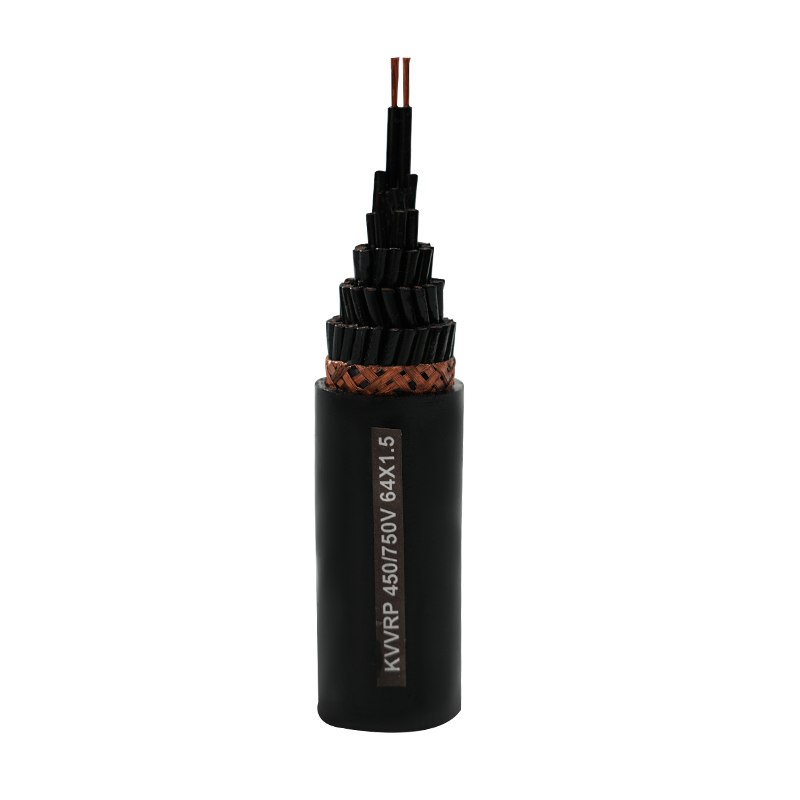
Selecting the right high temperature aircraft cable is a critical engineering decision that balances thermal performance, chemical resistance, mechanical durability, and regulatory compliance. From understanding high temperature aircraft cable specifications and standards to knowing the best insulation for extreme heat aircraft wiring, informed choices ensure safety, reliability, and cost-effectiveness over the aircraft's lifecycle. The detailed PTFE vs silicone aircraft wire comparison highlights that material choice is context-driven. Furthermore, knowing how to test high temperature wire for aviation is key to quality assurance. Ultimately, partnering with reliable, certified military grade aircraft cable suppliers like Yangzhou Yaguang Cable Co., Ltd. provides the foundational confidence that your systems are powered by components built to endure the most challenging conditions. With a legacy spanning over 25 years and a commitment to innovation and quality, we stand ready to support the aerospace industry's evolving needs with reliable, high-performance cable solutions.
References
[1] Smith, J., & Aerospace Materials Consortium. (2022). *Advanced Composite Insulation Systems for Next-Generation Jet Engines*. International Journal of Aerospace Engineering.
[2] National Electrical Manufacturers Association (NEMA). (2020). *Standards Publication: Metallic Coatings for Electrical Conductors*.
[3] Chen, L., et al. (2023). *Nanocomposite Polymer Insulations with Enhanced Thermal Stability for Aerospace Applications*. Materials Science and Engineering: R: Reports.
 Email:
 Telephone:+86-0514-85086085
 FAX:+86-0514-85086085
 Phone:+86-15861389306