 Email:
  Telephone: +86-0514-85086085
 FAX: +86-0514-85086085
 English
 中文简体
中文简体 русский
 عربى
عربى
In the world of electrical infrastructure, selecting the right cable is paramount for safety, efficiency, and longevity. Among the various options, low voltage XLPE power cable stands out as a premier choice for a multitude of applications. This comprehensive guide delves into the technical specifics, advantages, and ideal use cases for XLPE insulated cables, providing engineers, project managers, and procurement specialists with the detailed information needed to make an informed decision.
Content
- 1 What is Low Voltage XLPE Power Cable?
- 2 Key Advantages of XLPE Insulation over PVC
- 3 Top 5 Applications for Low Voltage XLPE Cables
- 4 Critical Specifications and Selection Criteria
- 5 Installation Best Practices and Maintenance
- 6 Why Choose a Professional Manufacturer?
- 7 Frequently Asked Questions (FAQ)
- 7.1 1. What is the typical lifespan of a low voltage XLPE power cable?
- 7.2 2. Can XLPE cable be used for both overhead and underground installation?
- 7.3 3. How do I calculate the correct size (cross-section) of XLPE cable for my project?
- 7.4 4. Is LSZH sheath mandatory for all building projects?
- 7.5 5. What does the certification from bodies like UL or TUV mean for an XLPE cable?
- 8
- 9 References
What is Low Voltage XLPE Power Cable?
Low Voltage XLPE Power Cable refers to an electrical cable designed to operate at voltages typically up to 1kV (1000V). Its defining characteristic is the insulation material: Cross-Linked Polyethylene (XLPE). XLPE is created by subjecting polyethylene to high pressure and temperature with a cross-linking agent, transforming its thermoplastic properties into a thermoset material. This process fundamentally enhances the cable's performance characteristics compared to its predecessor, PVC (Polyvinyl Chloride).
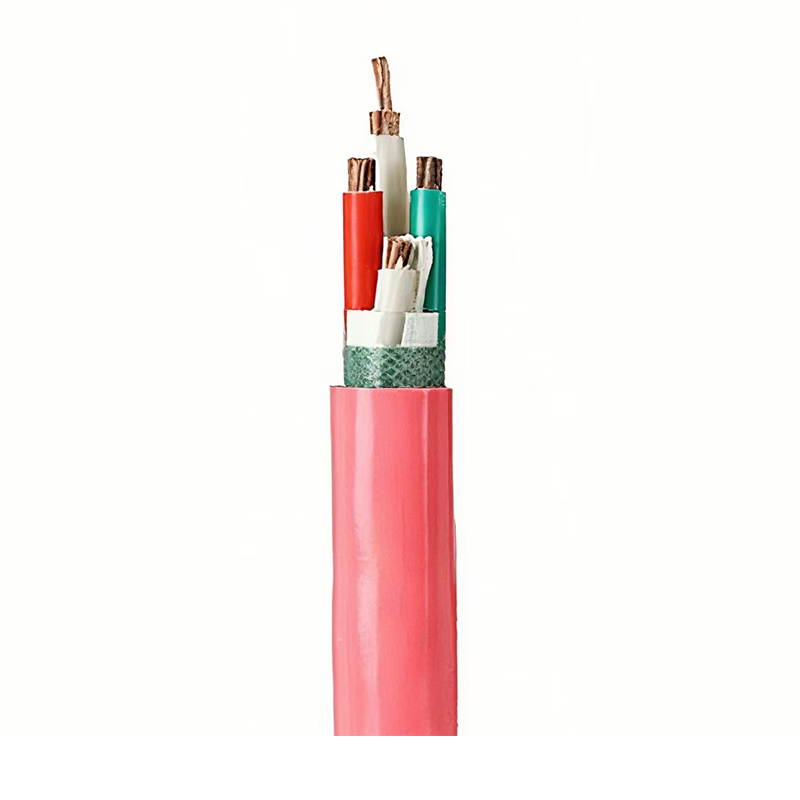
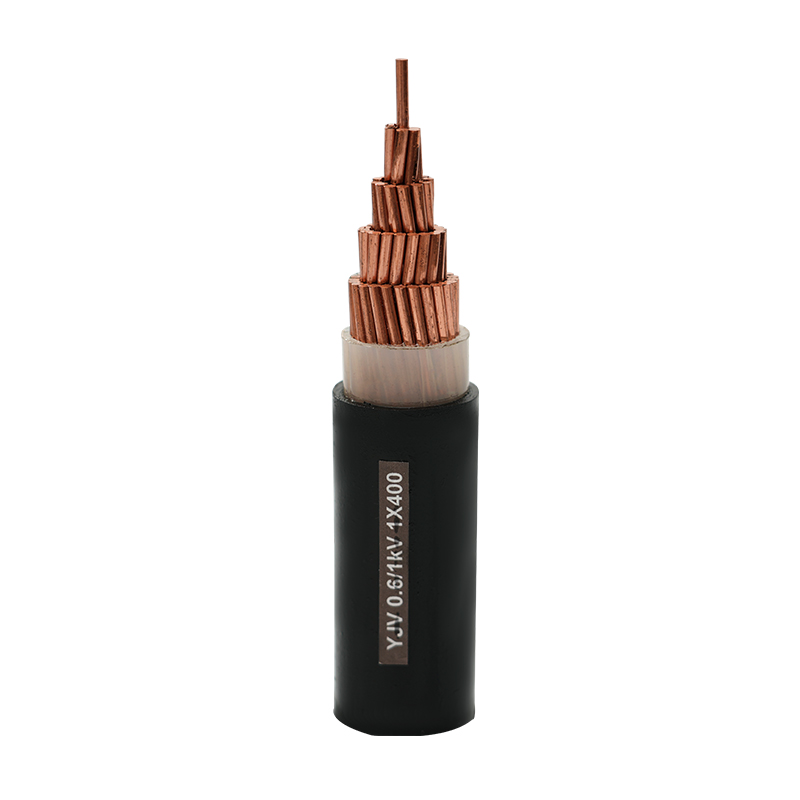
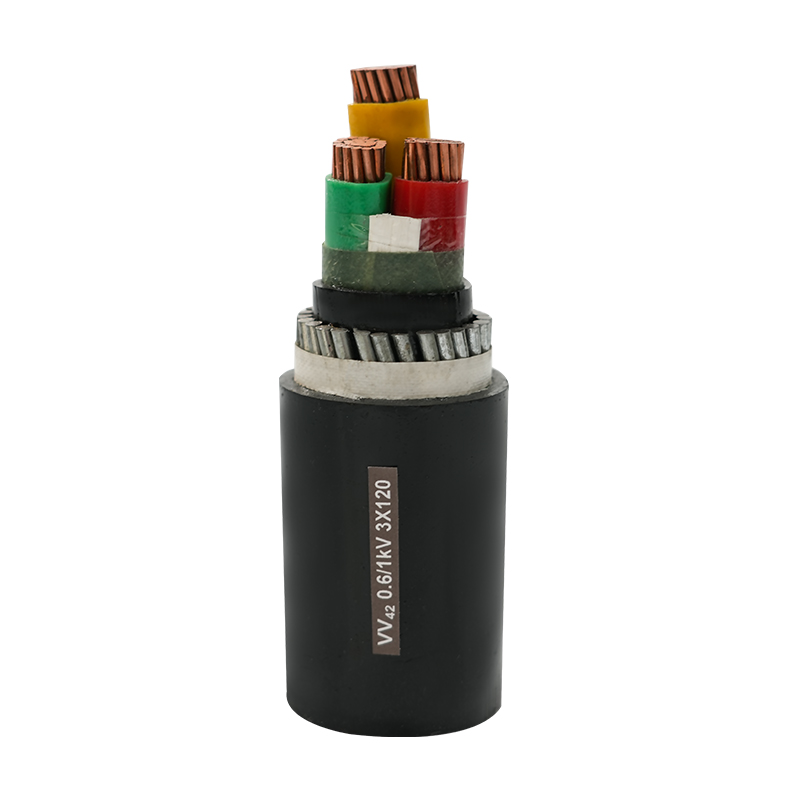
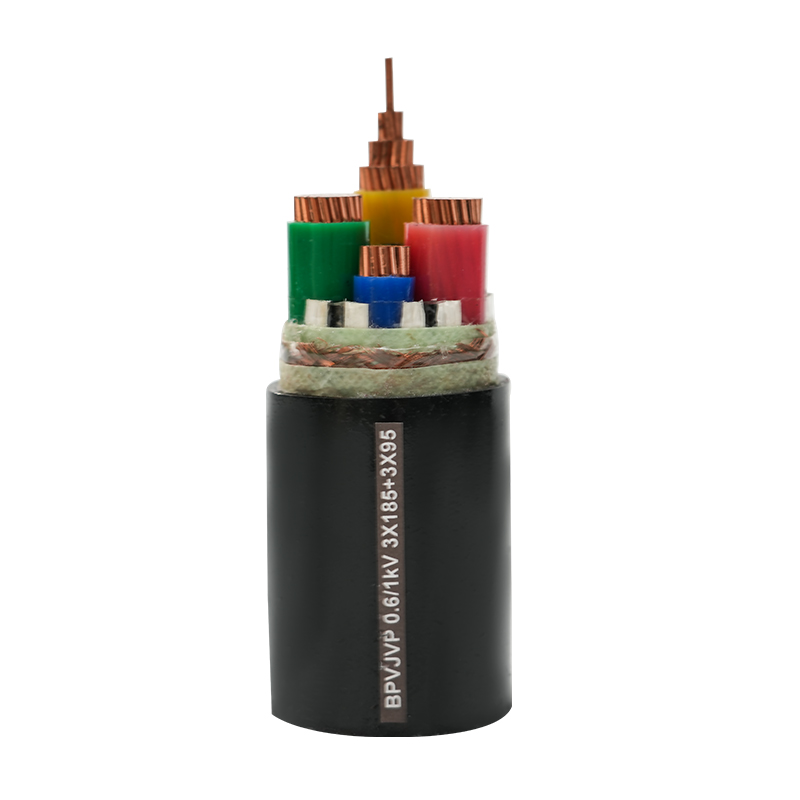
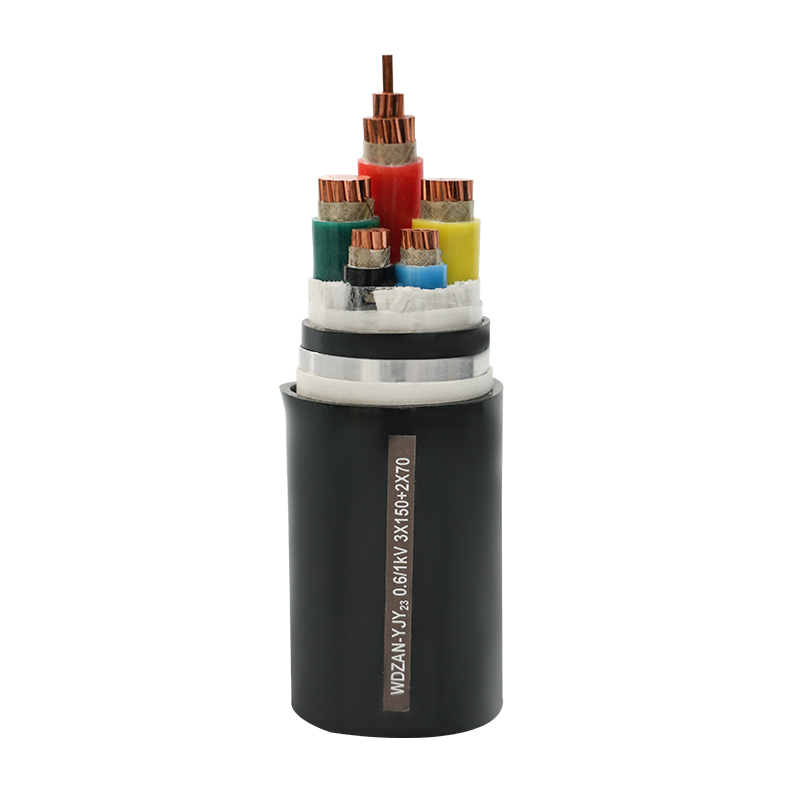
- Core Conductor: Usually made of copper or aluminum, providing the path for electrical current.
- XLPE Insulation: The primary insulating layer that surrounds the conductor, offering superior electrical and thermal properties.
- Bedding/Inner Sheath: A layer that protects the insulation from mechanical damage and moisture.
- Armouring (Optional): Steel wire or tape armouring for added mechanical protection in demanding environments.
- Outer Sheath: Typically made of PVC or LSZH (Low Smoke Zero Halogen) material, providing overall environmental and mechanical protection.
Key Advantages of XLPE Insulation over PVC
The shift from traditional PVC to XLPE insulation represents a significant technological advancement. The following comparison highlights the key performance differences. While PVC has been a standard, XLPE offers superior characteristics for modern power distribution needs[1].
Performance Comparison: XLPE vs. PVC Insulation
| Property | XLPE Insulated Cable | PVC Insulated Cable |
| Maximum Operating Temperature | 90°C (up to 120°C for short circuits) | 70°C |
| Current Carrying Capacity (Ampacity) | Higher for the same conductor size | Lower due to lower thermal rating |
| Dielectric Strength | Excellent, superior insulation resistance | Good, but deteriorates faster with heat |
| Resistance to Heat & Overload | Excellent; thermoset material does not melt | Poor; thermoplastic can soften and deform |
| Chemical & Moisture Resistance | Very Good | Good |
| Environmental Impact | More stable, longer life | Can release harmful halogens when burned |
As shown, XLPE cables can operate at higher temperatures and carry more current than PVC cables of equivalent size. Furthermore, their resistance to thermal deformation ensures greater reliability under fault conditions, making them a safer and more efficient long-term investment[2].
Top 5 Applications for Low Voltage XLPE Cables
The robust properties of low voltage XLPE power cable make it suitable for diverse sectors. Understanding its specific applications helps in selecting the right cable configuration.
1. Industrial Power Distribution
Factories and manufacturing plants require reliable power distribution to heavy machinery. XLPE cables, with their high ampacity and thermal endurance, are ideal for main feeder lines, motor circuits, and plant distribution networks. Their durability withstands the challenging industrial environment.
2. Commercial and Residential Building Wiring
Within buildings, these cables are used for underground service entrance cable installations, rising mains, and sub-distribution circuits. The higher current rating can allow for downsizing of conductors compared to PVC, offering potential savings while enhancing safety.
3. Renewable Energy Systems
Solar farms and wind turbine installations extensively use XLPE solar cable for photovoltaic arrays. These cables are specifically designed to resist UV radiation, extreme temperatures, and weather, ensuring consistent performance from renewable sources.
4. Infrastructure and Public Works
For street lighting, traffic signal systems, and airport runway lighting, direct burial XLPE armored cable is the preferred solution. The combination of XLPE insulation and metallic armouring provides excellent protection against moisture, corrosion, and physical damage when buried directly in the ground.
5. Marine and Offshore Applications
The demanding conditions at sea require cables with exceptional resistance to saltwater, oils, and mechanical stress. Marine grade XLPE power cable specifications include special sheathing compounds and tinned copper conductors to prevent corrosion, making them essential for shipboard power and offshore platforms.
Critical Specifications and Selection Criteria
Choosing the right cable involves more than just selecting XLPE. Here are the key specifications to consider.
Conductor Material and Size
- Copper: Higher conductivity, better ductility, and superior corrosion resistance. Ideal for most fixed installations.
- Aluminum: Lighter and more cost-effective for large-size cables. Requires careful termination techniques to prevent oxidation.
- Size is selected based on current-carrying capacity (ampacity) and voltage drop calculations as per IEC 60502 or equivalent standards.
Voltage Rating (U0/U)
For low voltage systems, the common ratings are 0.6/1kV. This means the cable is designed for a conductor-to-earth voltage (U0) of 600V and a conductor-to-conductor voltage (U) of 1000V.
Armouring and Sheathing Types
Armouring provides crucial mechanical protection. What is the difference between SWA and AWA cable? SWA (Steel Wire Armour) consists of galvanized steel wires helically wound around the cable. It offers high tensile strength, making it suitable for direct burial and installations where rodents are a concern. AWA (Aluminum Wire Armour) provides similar protection but is lighter and offers better corrosion resistance in certain environments, though it is less common in low voltage applications. The choice impacts the cable's weight, flexibility, and suitability for vertical runs.
| Armour Type | Key Features | Typical Use Case |
| Steel Wire Armour (SWA) | High tensile strength, excellent rodent resistance, robust protection. | Direct burial, industrial floors, duct networks. |
| Aluminum Wire Armour (AWA) | Lighter weight, good corrosion resistance, non-magnetic. | Chemical plants, specific marine applications. |
| Double Steel Tape Armour (DSTA) | Superior mechanical protection, high crush resistance. | Heavy-duty industrial areas, areas with high earth movement risk. |
Fire Performance: LSZH vs. PVC Sheath
In confined public spaces like metros, tunnels, and high-rise buildings, fire retardant low voltage cable standards are critical. LSZH (Low Smoke Zero Halogen) sheathing material emits minimal smoke and no toxic halogen gases when exposed to fire, facilitating safer evacuation. Standard PVC sheath, while flame-retardant, produces dense, toxic smoke.
Installation Best Practices and Maintenance
Proper handling ensures the cable performs as designed throughout its long service life.
Installation Guidelines
- Bending Radius: Adhere to the minimum bending radius (typically 12-15 times the overall cable diameter) to prevent damage to insulation and sheath.
- Pulling Tension: Use appropriate tools and techniques to avoid exceeding the maximum recommended pulling tension, which can stretch or deform conductors.
- Temperature: Install cables at an ambient temperature above 0°C to prevent the insulation from becoming brittle.
- Direct Burial: For direct burial XLPE armored cable, ensure a properly prepared trench free of sharp stones, use warning tape, and follow local depth regulations.
Connection and Termination
- Use connectors and lugs rated for the specific conductor material (copper or aluminum).
- Ensure terminations are clean, tight, and properly insulated to prevent hot spots and corrosion.
Maintenance Tips
- Conduct regular visual inspections for signs of sheath damage, corrosion on armour or terminations.
- Use infrared thermography to identify abnormal heating at connections.
- Perform periodic insulation resistance tests as part of a predictive maintenance program.
Why Choose a Professional Manufacturer?
The reliability of a cable is intrinsically linked to the quality of its materials and manufacturing process. Yangzhou Yaguang Cable Co., Ltd., founded in 1998, exemplifies the standards of a professional manufacturer. Recognized as a national "specialized and sophisticated little giant enterprise," Yaguang combines extensive experience with modern production capabilities.
Operating from a 56,000 square meter facility in Yangzhou, Jiangsu, the company utilizes 480 sets of advanced production and testing equipment. This commitment to infrastructure ensures precision and consistency. Their specialization in key areas, including XLPE solar cable for photovoltaic arrays and cables meeting stringent marine grade XLPE power cable specifications, aligns perfectly with the demanding applications discussed in this guide.
Quality assurance is paramount. Yaguang holds ISO 9001, ISO 14001, and ISO 45001 system certifications, alongside international product approvals from UL, TUV, CCS, ABS, and BV. This comprehensive certification portfolio guarantees that their cables, including over 10,000 specifications produced to international standards, meet rigorous safety and performance benchmarks. For over 25 years, their dedication to the cable business, backed by a pragmatic spirit, ensures customers worldwide receive products of reliable quality, reasonable price, and exceptional service.
Frequently Asked Questions (FAQ)
1. What is the typical lifespan of a low voltage XLPE power cable?
When installed correctly and operated within its specified parameters, a low voltage XLPE power cable can have a design life exceeding 30 years. The thermoset XLPE insulation is highly resistant to ageing from heat, oxidation, and environmental stress, contributing to this long service life[3].
2. Can XLPE cable be used for both overhead and underground installation?
Yes, but the cable construction must be appropriate. For overhead installation, cables need to be UV-resistant and may incorporate a messenger wire for support. For underground use, moisture-resistant bedding and armouring (like SWA) are essential for direct burial XLPE armored cable applications.
3. How do I calculate the correct size (cross-section) of XLPE cable for my project?
Cable sizing involves three main calculations: current-carrying capacity (based on load and installation method), voltage drop (to ensure adequate voltage at the load), and short-circuit withstand. It is strongly recommended to consult relevant standards (e.g., IEC 60364) or engage a qualified electrical engineer to perform these calculations.
4. Is LSZH sheath mandatory for all building projects?
No, it is not universally mandatory but is often required by local building codes for specific applications. Fire retardant low voltage cable standards typically mandate LSZH sheathing in public buildings, transportation hubs, high-rises, and any confined space where smoke inhalation is a major fire hazard.
5. What does the certification from bodies like UL or TUV mean for an XLPE cable?
These certifications mean that an independent laboratory has tested samples of the cable and verified that they conform to specific safety and performance standards (e.g., UL 44, EN 50525). For buyers, this provides third-party assurance of quality, safety, and reliability, which is crucial for project specifications and insurance requirements.
Low voltage XLPE power cable is a versatile, robust, and efficient solution for modern electrical distribution. Its superior thermal properties, high current capacity, and excellent durability make it the preferred choice over traditional PVC cables for industrial, commercial, renewable energy, and infrastructure projects. By understanding the specifications—from conductor material and armouring type to fire performance standards—you can select the optimal cable for your application. Partnering with a certified and experienced manufacturer like Yangzhou Yaguang Cable Co., Ltd. ensures access to high-quality products that meet international standards, providing peace of mind and long-term value for any electrical installation.
References
[1] K. J. S. Phulara, "A Comparative Study on Insulating Materials for Power Cables," International Journal of Electrical Engineering & Technology, vol. 8, no. 3, pp. 1–9, 2017. (This source provides foundational comparison data on insulation material properties).
[2] M. N. H. Khan, "Thermal Ageing and Life Assessment of XLPE Insulated Cables," International Conference on Power Systems, 2019. (This source discusses the thermal endurance and operational lifespan of XLPE material).
[3] International Electrotechnical Commission, "IEC 60502-1: Power cables with extruded insulation and their accessories for rated voltages from 1 kV up to 30 kV – Part 1: Cables for rated voltages of 1 kV and 3 kV," 2021. (This is the primary international standard covering the construction, testing, and requirements for low voltage power cables, including XLPE insulated types).
 Email:
 Telephone:+86-0514-85086085
 FAX:+86-0514-85086085
 Phone:+86-15861389306