 Email:
 Telephone: +86-0514-85086085
 FAX: +86-0514-85086085

 English
 中文简体
 русский
 عربى

Offshore energy projects fail when cable specifications do not match real operating conditions. At CSSOPE 2025, Yangzhou Yaguang Cable Co., Ltd. demonstrated this principle through a focused showcase of new solutions for offshore and solar cable applications, covering marine power cables, control cables, photovoltaic cables, and frequency conversion cables built to international standards. The presentation gave engineers and procurement teams concrete reference points for selecting cables in salt-spray environments, high-UV solar fields, and variable-speed drive systems.
Content
- 1 Offshore and Solar Cables in CSSOPE 2025: A Procurement-Driven Showcase
- 2 New Marine Cable Solutions: XLPE Insulation for Offshore Duty
- 3 Solar Cable Innovations: TUV-Certified PV Cable Selection Matters
- 4 Control and Instrumentation Cables: Ensuring Signal Integrity in Energy Installations
- 5 High-Temperature Cables for Harsh Energy Environments
- 6 Design Evaluation Framework for Offshore and Solar Cable Buyers
- 7 Why Flexible Control Cables and System Supply Matter in Energy Projects
Offshore and Solar Cables in CSSOPE 2025: A Procurement-Driven Showcase
CSSOPE 2025 (China Sourcing Summit for Oil & Gas and Petrochemical Equipment) attracts buyers and project owners who evaluate cable suppliers against certification requirements, delivery timelines, and application-specific performance data. Yangzhou Yaguang used the event to present cable systems that address three recurring problems in offshore and solar installations: corrosion resistance, thermal aging, and signal interference under high-voltage proximity.
The company's exhibition focus aligned with its manufacturing capabilities: a 56,000-square-meter production base, over 480 sets of modern equipment, and a catalog covering more than 10 cable series with over 10,000 specifications. For CSSOPE attendees, the relevant point was not product count but the ability to produce certified marine and photovoltaic cables in a single facility, simplifying supplier qualification and quality control.
Procurement teams at offshore wind, oil & gas, and utility-scale solar projects typically require separate certification files for marine, solar, and control cables. Working with a supplier that holds TUV, UL, CCS, ABS, and BV approvals and can document production traceability across these categories shortens the evaluation cycle. Yangzhou Yaguang's booth at CSSOPE 2025 focused on exactly this point: certified cable solutions that reduce technical risk and sourcing complexity.
New Marine Cable Solutions: XLPE Insulation for Offshore Duty
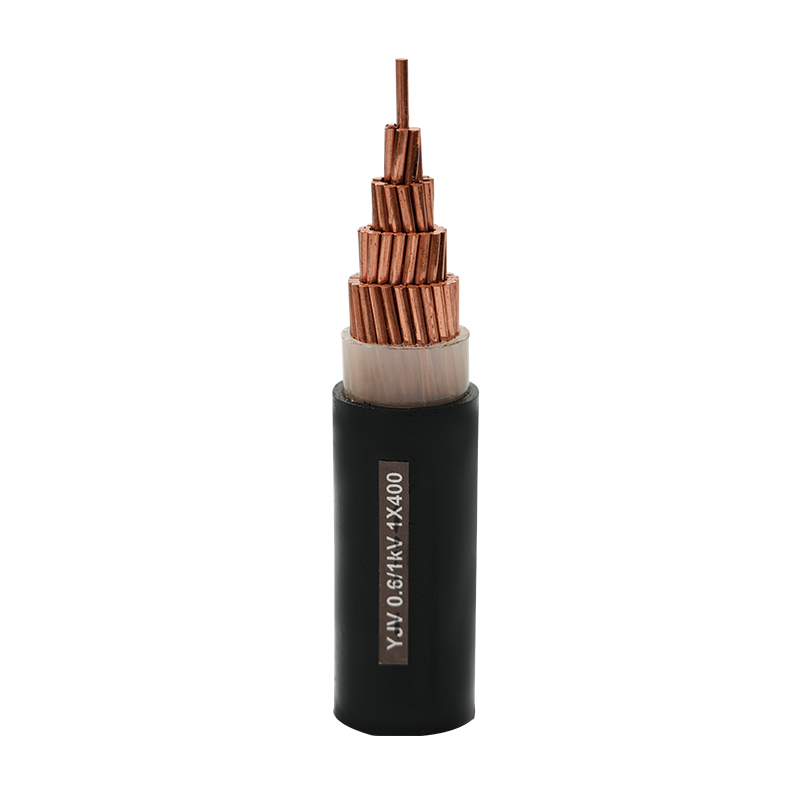
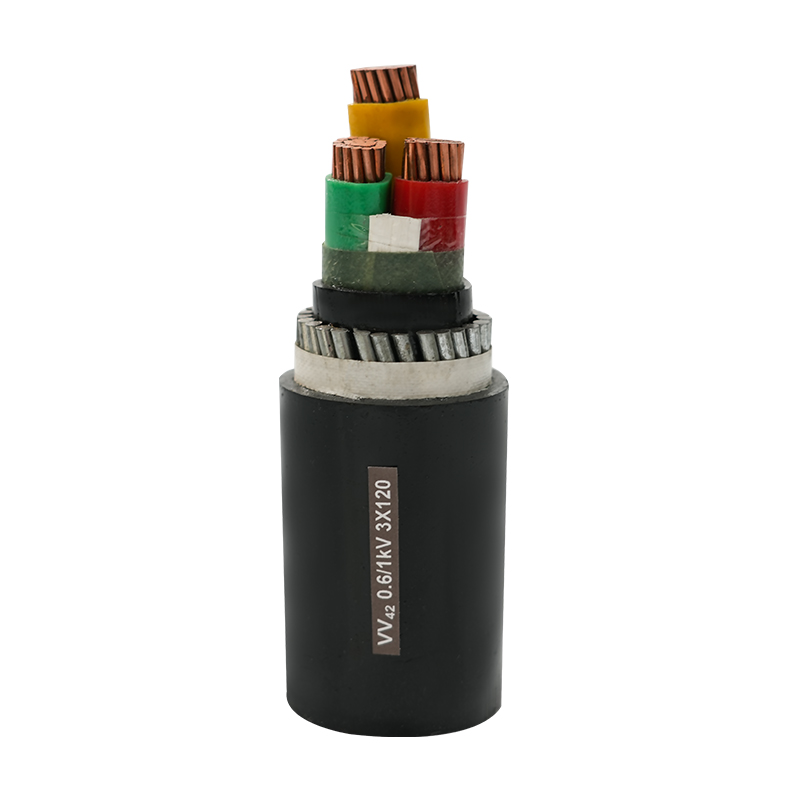
For offshore platforms and vessels, the core cable decision is insulation chemistry. Yangzhou Yaguang's marine cable solutions rely on cross-linked polyethylene (XLPE) insulation for power, control, communication, and frequency conversion circuits. XLPE withstands continuous conductor temperatures up to 90°C and short-circuit peaks up to 250°C, while providing higher ampacity than PVC insulation at the same conductor cross-section.
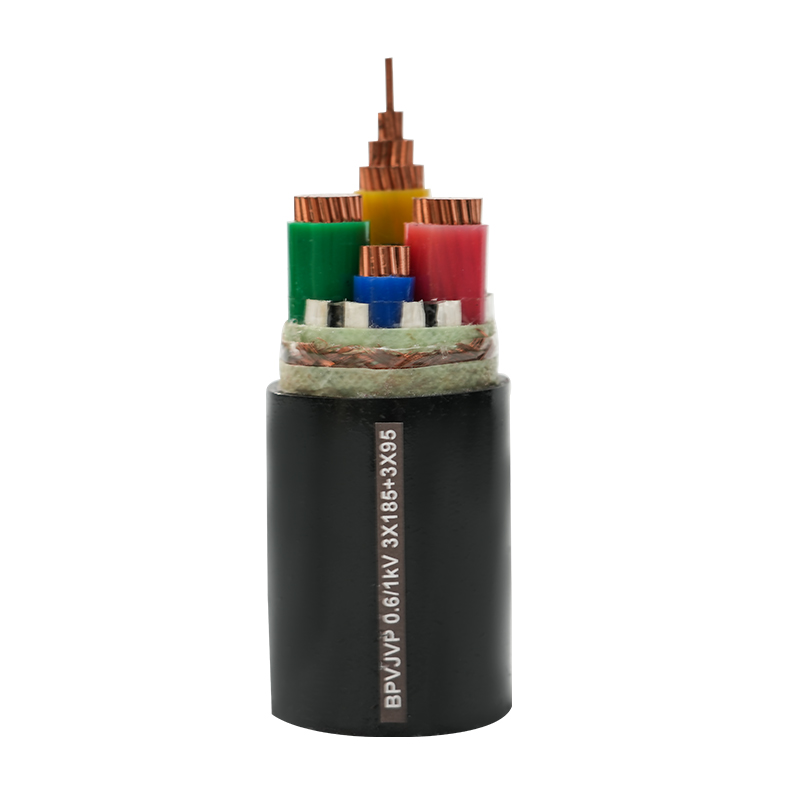
Marine environments impose mechanical stress, salt spray, humidity, and vibration. The cable construction addresses these factors through tinned or bare copper conductors, XLPE insulation layers, and sheathing compounds that resist marine corrosion. For frequency converter applications, the XLPE insulated marine frequency conversion cable was a notable highlight at the show. Variable frequency drives generate harmonic distortion and voltage reflection; a dedicated frequency conversion cable with symmetrical earthing conductors and screened construction limits electromagnetic interference and prevents premature insulation breakdown.
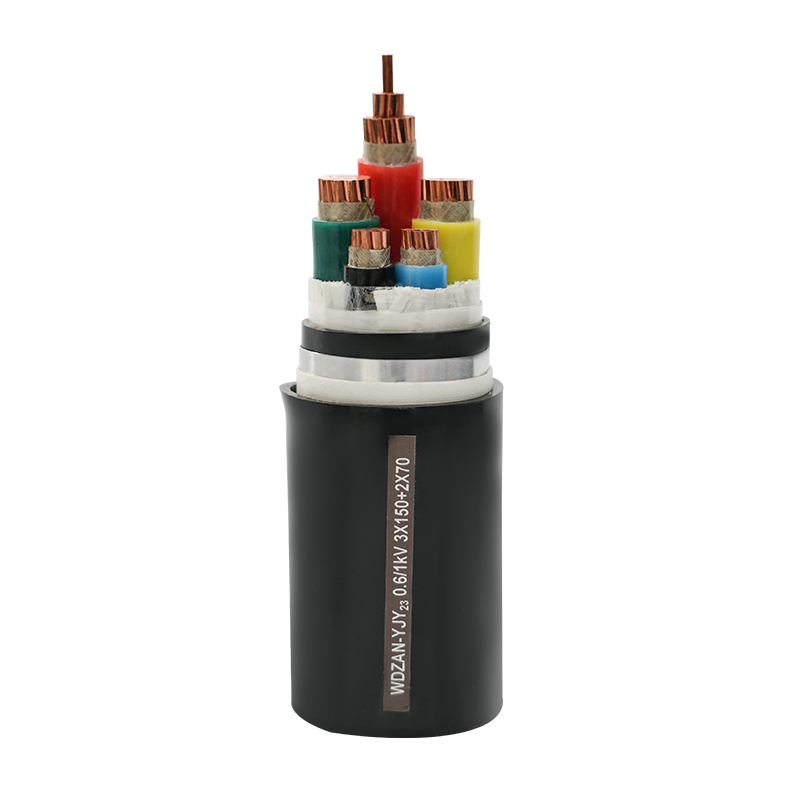
For ship power distribution systems, the XLPE insulated marine power cable is used in main feeders and branch circuits where sustained current-carrying capacity and flame retardance are mandatory. The marine control cable variant addresses automation and control circuits, while the marine communication cable supports signal transmission on vessels with integrated monitoring systems. At CSSOPE 2025, Yangzhou Yaguang positioned these four cable types as a coordinated marine cable system rather than individual products, which mirrors how shipyards and offshore contractors actually purchase and install them.
How XLPE Marine Frequency Conversion Cable Stabilizes Shipboard Power Systems
When a variable frequency drive controls a ship's propulsion motor, the cable between drive and motor becomes part of the power conversion loop. The cable must handle non-sinusoidal voltage waveforms, harmonic currents, and capacitive charging currents. The XLPE marine frequency conversion cable design includes a symmetric ground arrangement that balances impedance across all three phases plus earth, suppressing bearing currents and electromagnetic emissions. This is the difference between a cable that merely conducts power and one that supports reliable closed-loop drive performance.
Solar Cable Innovations: TUV-Certified PV Cable Selection Matters
Utility-scale solar plants place different demands on cables than offshore platforms: UV radiation, diurnal temperature swings, moisture ingress, and direct burial or open-air routing. The photovoltaic cable displayed at CSSOPE 2025 was the TUV-certified PV1F series, designed for DC circuits in solar arrays with a rated voltage of 0.6/1.0 kV DC and an operating temperature range of -40°C to +90°C related to the conductor, with a short-circuit rating of 250°C for 5 seconds.
The key technical property of a PV cable is its insulation and sheath system. UV-stabilized cross-linked insulation resists photodegradation; the sheath compound provides abrasion resistance when cables are laid on module frames or buried in cable trays. Yangzhou Yaguang's photovoltaic cables are tested for UV resistance, ozone resistance, and water immersion, covering the main failure modes in open-field solar installations.
| Parameter | PV1F Specification |
| Rated Voltage | DC 1.5 kV (AC 0.6/1.0 kV) |
| Operating Temperature | -40°C to +90°C (conductor) |
| Short-Circuit Temperature | 250°C, max 5 s |
| Insulation | UV-resistant cross-linked compound |
| Sheath | Abrasion-resistant, halogen-free compound |
| Standards | TUV 2PfG 1169 / EN 50618 |
Cable sizing in solar plants is not just about ampacity. Voltage drop between module strings and inverters directly affects system yield; a cable that is undersized for a 1,500 V DC string can negate the efficiency gain of higher system voltages. For this reason, engineers used the CSSOPE 2025 discussion to compare cross-sectional areas, ampacity tables, and installation conditions before finalizing specifications. The TUV-certified photovoltaic cable range covers common cross-sections used in central and string inverter topologies, and the flame-retardant, halogen-free sheath is a mandatory requirement in many utility-scale EPC procurement terms.
The temperature hierarchy above explains why XLPE has displaced PVC in solar cables and marine cables, and why irradiation-cross-linked ETFE is used for high-temperature cable applications above 135°C. Selecting a cable with a higher temperature rating than the application technically needs is not a conservative strategy; it often requires different connectors, bending radius planning, and termination kits. The cost-optimal choice is the cable that matches the thermal and environmental profile of the installation.
Control and Instrumentation Cables: Ensuring Signal Integrity in Energy Installations
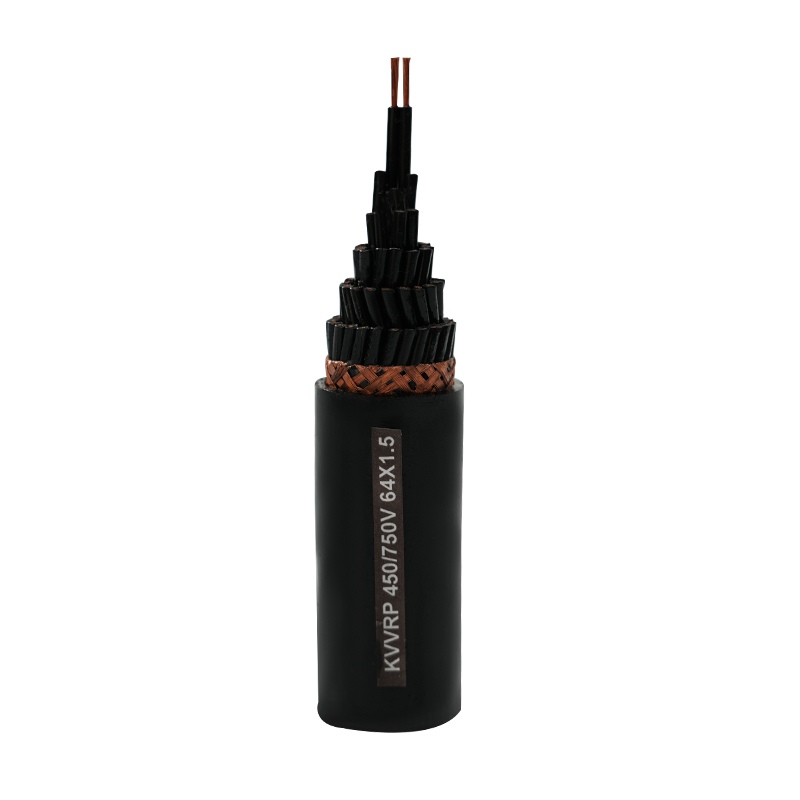
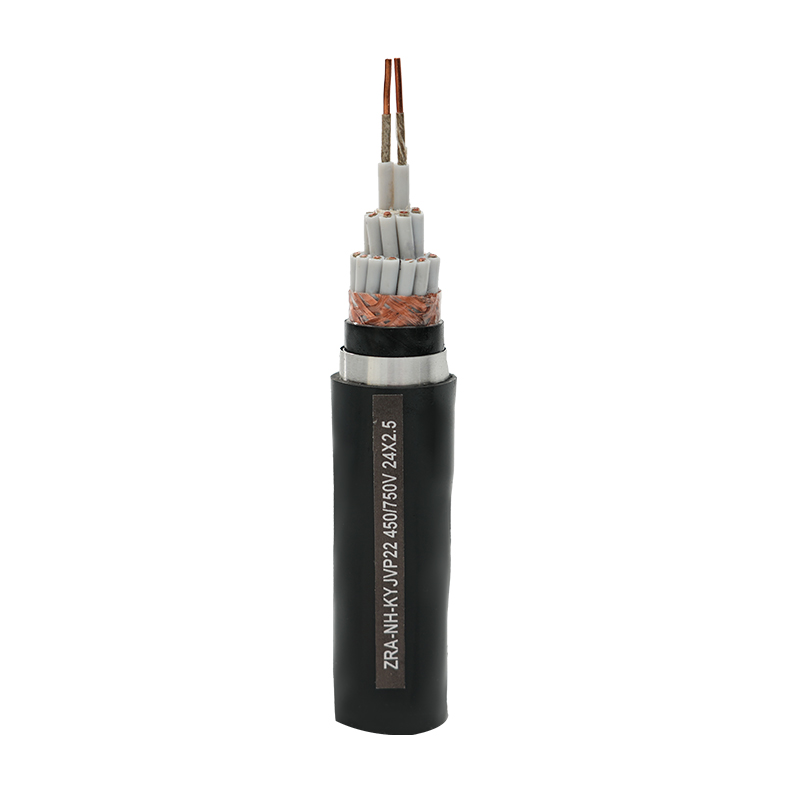
Solar plants and offshore platforms are full of power cables carrying high currents; adjacent control and instrumentation cables must carry low-voltage signals without interference. At CSSOPE 2025, Yangzhou Yaguang's control cable and instrumentation cable lines highlighted the shielding and insulation choices that preserve signal integrity in these mixed-cable environments.
Control cables for industrial applications use PVC, XLPE, or fluoroplastic insulation depending on the operating temperature. In offshore and solar installations, the PVC insulated control cable covers general-purpose indoor and tray routing, while fluoroplastic-insulated control cable addresses zones with high ambient heat, such as near turbine generators or transformer stations.
PVC Insulated
- Operating temp: -15°C to +70°C
- Cost-effective for indoor/tray
- Wide chemical compatibility
- Limitations above 70°C
XLPE Insulated
- Operating temp: -25°C to +90°C
- Higher ampacity per cross-section
- Better moisture resistance
- Preferred for outdoor and humid zones
Fluoroplastic Insulated
- Operating temp range up to 200°C
- Chemical resistance for harsh media
- Used in heat-exposed locations
- Higher material cost
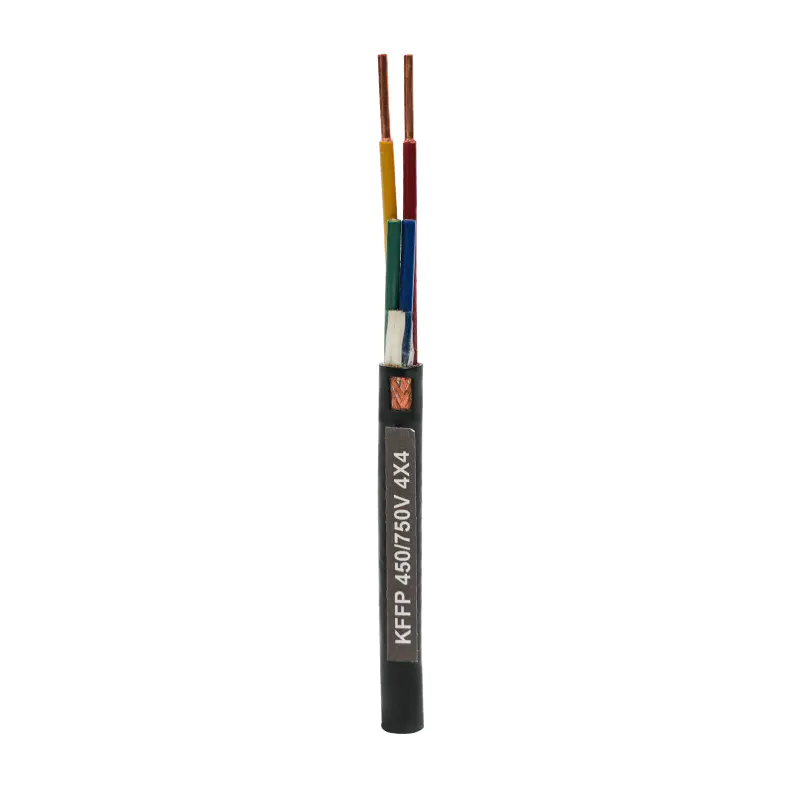
Instrumentation cables for process control and SCADA systems require twisted-pair construction and overall shielding. The computer control cable for intrinsically safe circuits uses a PE insulation layer with low dielectric constant, which allows high-speed signal transmission with minimal attenuation. In a photovoltaic plant, instrumentation cables transmit inverter status signals, ambient temperature readings, and pyranometer data; any induced voltage from adjacent PV DC cables can skew those measurements. The solution is screened twisted-pair instrumentation cable with proper grounding at one end.
High-Temperature Cables for Harsh Energy Environments
Not every cable in an offshore or solar plant operates at comfortable ambient temperatures. Cable routes near exhaust stacks, turbine enclosures, or concentrated solar power (CSP) receivers expose cables to sustained radiant heat. For those sections, Yangzhou Yaguang presented the irradiation-cross-linked ETFE insulated and sheathed high-temperature cable, rated for continuous operating temperatures up to 150°C with short-circuit ratings reaching higher values.
The ETFE-based construction is also radiation-resistant and mechanically tough, which suits it for applications demanding both heat resistance and cut-through protection. For CSSOPE visitors involved in EPC of power plants or petrochemical facilities, this cable fills the gap between standard XLPE cables (90°C) and heavy metal-armored special designs. The irradiation cross-linked ETFE insulated and sheathed high-temperature resistant cable offers a practical single-cable solution for hot zones, eliminating the need for oversized conduit or secondary protection.
Design Evaluation Framework for Offshore and Solar Cable Buyers
Between the CSSOPE 2025 presentations and the technical literature distributed at the booth, a clear procurement framework emerged. Buyers and engineers can apply the following sequence to reduce risk on their next offshore or solar project.
- Check the insulation temperature rating against worst-case ambient and load conditions, not average conditions.
- Verify product certifications: TUV, UL, CCS, ABS, BV — match the certificate to the project jurisdiction and vessel class.
- Confirm conductor material and cross-section from ampacity tables, including derating factors for ambient temperature, grouping, and solar radiation.
- For frequency converter circuits, require a symmetrical cable construction and an appropriate earthing conductor scheme.
- For instrumentation and control circuits, review shielding types and grounding recommendations to prevent interference.
- Evaluate the supplier's ability to deliver multiple cable types in one shipment: not just price per meter, but total logistics and qualification burden.
Project teams that follow this framework reduce the probability of cable rework and plant downtime. The CSSOPE 2025 showcase by Yangzhou Yaguang was not just a product display; it was a demonstration of how a single-source manufacturer can support multi-standard, multi-application energy projects.
Why Flexible Control Cables and System Supply Matter in Energy Projects
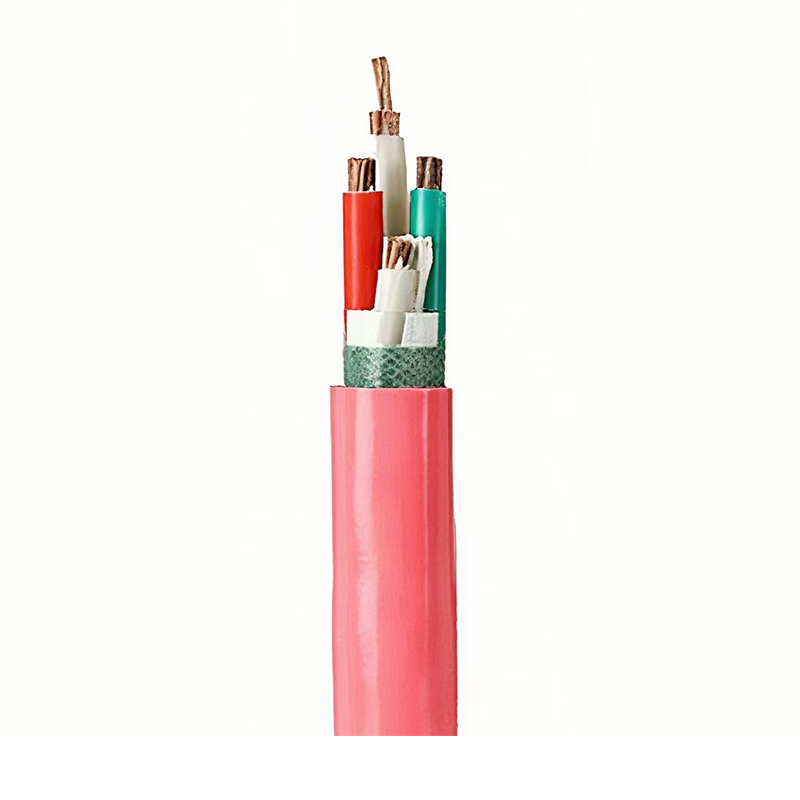
Energy installations are not static. Solar trackers rotate, wind turbines pitch, and offshore platforms have vibrating machinery. Flexible control cables that withstand repeated bending play a major role in long-term system reliability. The company's multicore flexible control cable range and marine cable types address this dynamic loading, with stranding designs that reduce conductor fatigue and sheathing that resists abrasion over flex cycles.
The system supply advantage was also part of Yangzhou Yaguang's pitch: power cables, control cables, instrumentation cables, marine cables, and photovoltaic cables manufactured under one roof. For a solar EPC contractor, this means one supplier qualification, one quality audit, and one logistics interface. For a shipyard, it means aligning with a maker that understands which cable goes into the power distribution panel, which one goes to the frequency converter, and which one carries the automation bus.
Frequently Asked Questions
What was Yangzhou Yaguang Cable's main focus at CSSOPE 2025?
The company highlighted new cable solutions for offshore and solar applications, including XLPE insulated marine power cables, marine frequency conversion cables, TUV-certified photovoltaic cables, and high-temperature control cables. The common theme was certified, application-specific cable engineering for harsh environments.
Why is XLPE insulation used for marine cables?
XLPE (cross-linked polyethylene) insulation offers a 90°C continuous conductor temperature rating, higher current capacity than PVC insulation, low moisture absorption, and good resistance to shipboard environmental stresses. These properties make it a preferred material for marine power, control, and communication cables.
Which certification standards apply to offshore and solar cables?
Common certifications include TUV and EN 50618 for photovoltaic cables; UL for North American installations; and CCS, ABS, or BV class approvals for marine and offshore applications. Yangzhou Yaguang Cable holds ISO 9001, ISO 14001, ISO 45001 management system certificates and these product certifications.
How does a marine frequency conversion cable differ from a standard power cable?
A frequency conversion cable for marine use has a symmetrical design with three phase conductors and an integrated ground conductor of equal cross-section, reducing electromagnetic interference, limiting zero-sequence currents, and protecting motor bearings from damaging high-frequency currents that standard power cables cannot handle.
 Email:
 Telephone:+86-0514-85086085
 FAX:+86-0514-85086085
 Phone:+86-15861389306
