 Email:
  Telephone: +86-0514-85086085
 FAX: +86-0514-85086085
 English
 中文简体
中文简体 русский
 عربى
عربى
Content
- 1 The Fundamentals of Copper Building Wire
- 2 Copper vs. Alternatives — Safety and Performance
- 3 Best Practices for Installing Copper Building Wire
- 4 Cost Considerations and Value Over Time
- 5
- 6 FAQ
- 6.1 Is copper building wire always better than aluminum for house wiring?
- 6.2 How do I choose the right gauge when using copper building wire for a new circuit?
- 6.3 Does installing copper building wire require special installation practices compared to other wiring?
- 6.4 Is the higher upfront cost of copper wiring justified?
The Fundamentals of Copper Building Wire
Understanding Copper Wire Gauge and Capacity
When selecting copper building wire for any building wiring project, the gauge (thickness) of the wire directly impacts its capacity to carry current safely. The gauge determines how many amps the wire can handle without overheating, and also influences voltage drop over distance. For residential or commercial wiring, using a copper wire gauge that matches your circuit’s load requirement ensures reliable performance and compliance with electrical codes. Choosing the correct gauge helps avoid safety hazards such as overheating, fire risk, or excessive voltage drop — issues especially critical when circuits power major appliances or heavy loads.
- Gauge selection must consider circuit amperage and expected load — under‑gauging increases risk.
- Over‑specifying gauge (thicker than needed) can add cost, but may improve safety margin and reduce voltage drop.
- For long runs (e.g. long branch circuits or feeders), voltage drop becomes more significant — copper wiring helps mitigate that.
- Always verify gauge against local wiring standards or code requirements to ensure compliance.
Why Copper Is Preferred for Residential Wiring
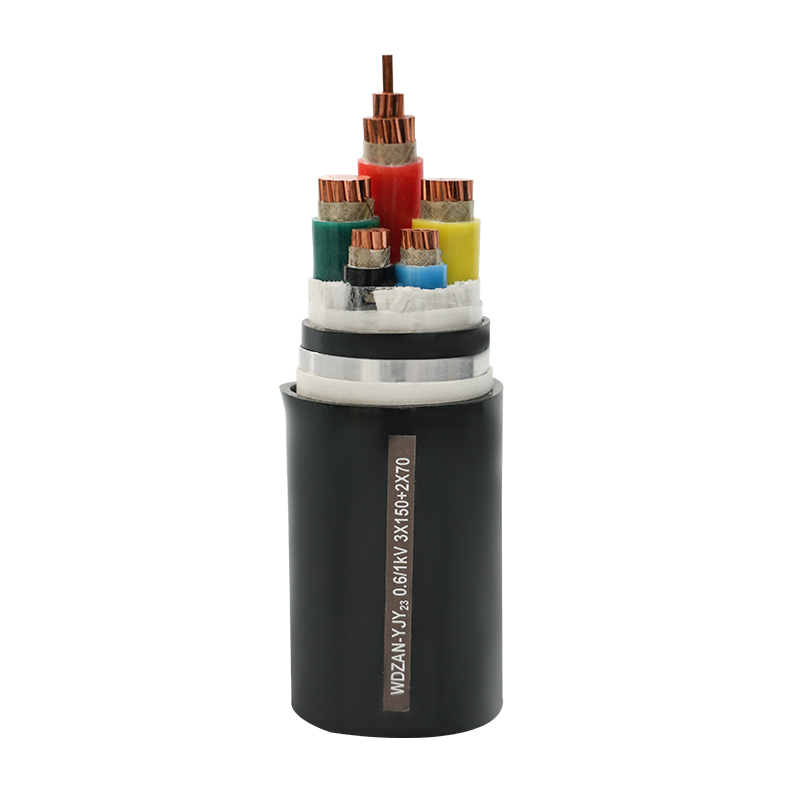
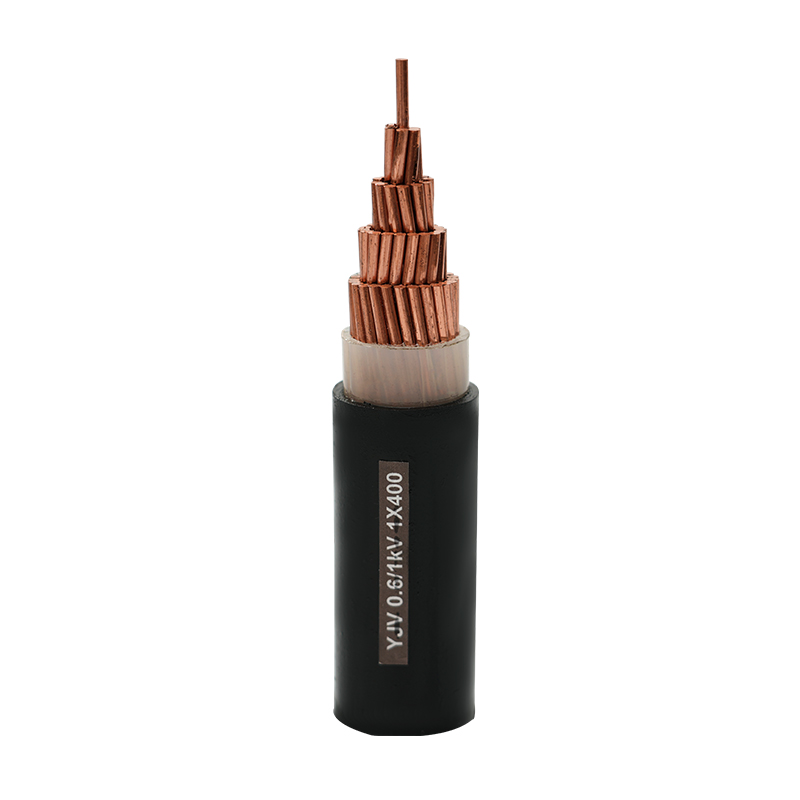
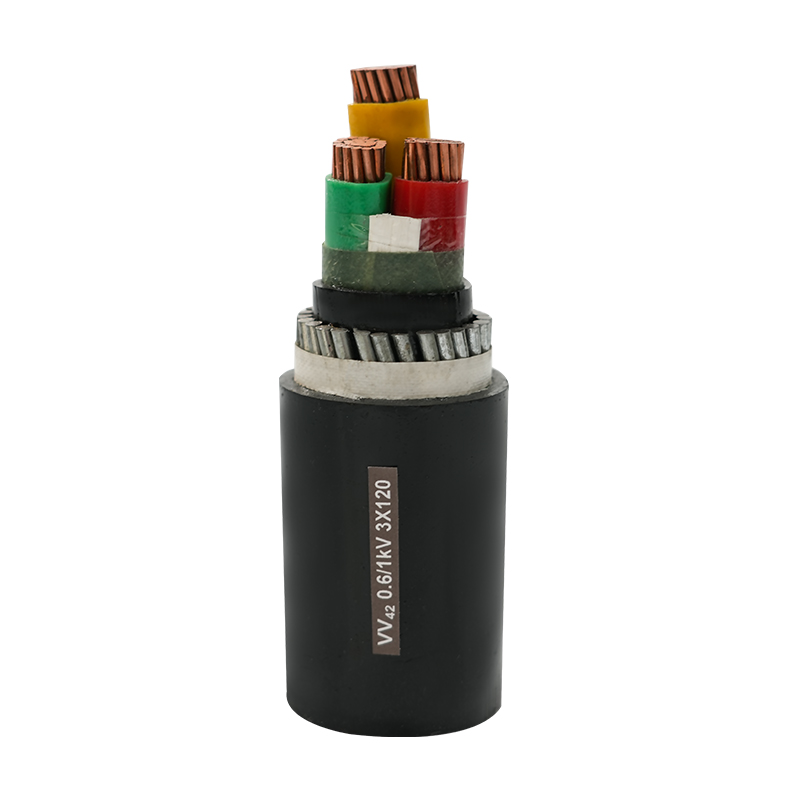
There are multiple reasons why copper building wire remains the go‑to choice for residential building wiring. Copper’s electrical conductivity is high, allowing efficient current flow with less resistive loss. Moreover, copper is mechanically durable — it resists breakage when bent or manipulated during installation and holds screw or terminal connections firmly without risk of loosening over time. From a long‑term perspective, copper wiring tends to remain stable, resist corrosion (when properly insulated), and maintain its conductivity over decades, offering reliable power delivery and safety.
- Copper’s superior conductivity reduces energy loss and improves efficiency.
- Durability and flexibility of copper make installation easier and reduce risk of damage during wiring runs.
- Copper wires hold up well over time — less prone to degradation under normal environmental conditions.
- Using copper supports consistent performance even under heavy or variable loads common in residential settings.
Copper vs. Alternatives — Safety and Performance
Copper Building Wire vs Aluminum Building Wire: Safety & Longevity
A common question when planning building wiring is whether to use copper or cheaper alternatives such as aluminum. While alternatives may offer cost savings, comparing long-term safety and performance often favors copper building wire. Aluminum wiring tends to require larger gauge to achieve similar current capacity because of lower conductivity; also, aluminum can be more susceptible to oxidation, loosening at connections, and mechanical fragility, especially when bent or stressed. Many electrical professionals therefore recommend copper for critical residential wiring where reliability, safety, and longevity matter most.
- Aluminum requires larger gauge than copper for equivalent ampacity — increasing bulk and installation difficulty.
- Connection points with aluminum may degrade over time, raising risk of poor contact or overheating.
- Copper wiring generally offers a longer lifespan and more stable performance under repeated load cycles.
- Copper’s reliability reduces maintenance, inspection, and replacement costs over the long haul.
Voltage Drop, Conductivity, and Code Compliance
Another critical dimension is how wire material affects voltage drop over distance. With copper building wire, high conductivity helps minimize voltage drop — especially important for long runs or circuits powering heavy loads. Inadequate gauge or poor-quality wiring can lead to voltage sag, inefficiency, and even safety hazards. Furthermore, many building codes and electrical standards favor or mandate copper for certain residential or commercial applications to guarantee safety margins and long-term reliability. Thus, using copper helps ensure compliance as well as safer, more efficient operation.
- Copper’s conductivity helps maintain stable voltage even over long wiring runs.
- Reduced resistive heating lowers fire risk and improves energy efficiency.
- Compliance with electrical standards or codes often favors copper wiring for critical circuits.
- Copper wiring’s stability under load supports consistent performance even under variable electrical demands.
Best Practices for Installing Copper Building Wire
Installation Guidelines for Home Wiring
Installing copper building wire correctly is just as important as choosing the right wire type. Proper installation ensures maximum safety and lifespan. Begin by planning your wiring layout carefully: map circuit routes, calculate load demands, and account for distance to minimize voltage drop. During installation, use appropriate tools, ensure secure connections, and respect bend‑radius requirements to avoid damaging the conductors or insulation. Ensuring proper grounding, securing bundles, and protecting the wiring from physical damage (e.g. via conduit) further enhances safety. Following these best practices will not only deliver optimal performance, but also reduce long-term risks such as shorts, overheating, or system failures.
- Plan wiring runs ahead — avoid overly long runs to reduce voltage drop and simplify maintenance.
- Use proper tools for stripping, cutting, bending, and securing copper wires to avoid damaging insulation or conductors.
- Ensure secure connections at junctions, outlets, and the breaker panel — loose connections cause heat build-up and hazards.
- Provide proper grounding and bonding per local electrical codes to safeguard against faults, surges, and shock hazards.
- Protect wiring from physical damage — e.g. via conduit or protective sleeves — especially in basements, garages, or outdoors.
Common Mistakes and How to Avoid Them
Even when using high‑quality copper building wire, poor installation practices or ignorance of wiring fundamentals can lead to serious issues. One common mistake is under‑gauging — using a thinner wire than required by load or distance, which can cause overheating or voltage drop. Another is inadequate securing or protection of wires, leading to abrasion or damage over time. Improper grounding or failing to separate neutral and ground can create safety hazards. Additionally, sloppy terminal connections (e.g. loose screws, poor contact) may develop resistance points that lead to heat buildup. Awareness of these pitfalls and following proper practices can prevent most of these issues.
- Never undersize copper wiring for the load or distance — always check ampacity and voltage drop requirements.
- Avoid sharp bends or kinks — they can damage the conductor or insulation and impair performance.
- Ensure all connections are tight, secure, and corrosion‑resistant; inspect periodically if possible.
- Use proper grounding and bonding practices to avoid shock or fire risks.
- Protect wiring from physical damage — especially in high‑traffic, damp, or outdoor areas.
Cost Considerations and Value Over Time
Typical Cost per Foot and Cost–Benefit Analysis
One concern often raised when opting for copper building wire is its higher upfront cost compared to cheaper alternatives. However, when evaluating cost per foot versus long‑term risk, reliability, and safety, copper frequently delivers better overall value. While the initial investment may be higher, copper wiring’s durability, lower maintenance, and fewer replacements over decades can more than offset the upfront premium. For homeowners and builders aiming at longevity and safety, the cost per foot becomes a long‑term investment rather than a short‑term expense. Over the lifetime of a building, the reduced risk of failure, fewer repairs, and better efficiency often make copper the smarter economic choice.
- Copper wiring cost is higher per foot, but lifespan is significantly longer than many alternatives.
- Lower maintenance — fewer failures, less repair, and less chance of rewiring needs over decades.
- Reduced replacement and downtime costs — reliability means fewer disruptions or safety issues.
- Potential savings on energy due to lower resistive losses and better conductivity.
Why Higher Initial Cost Can Mean Lower Long-Term Risk
Investing in copper building wire from the start can prevent hidden costs and risks that cheaper wiring might bring. Over time, cheaper wiring may suffer from corrosion, poor connections, or degradation — leading to failures that require expensive repairs or even pose safety hazards. Rewiring an entire building can be disruptive and costly. By contrast, copper’s stability, resistance to wear, and long lifespan provide peace of mind, especially for critical circuits powering major appliances or supporting high-demand electrical loads. In effect, the higher initial cost translates to lower long‑term liability and better value over the building's life.
- Reduces risk of fire, shorts, or electrical failures over decades.
- Minimizes need for rewiring or upgrades in future — saves labour and material costs.
- Ensures consistent electrical performance — important for safety and equipment longevity.
- Offers better return on investment when viewed over the lifecycle of a building rather than just upfront cost.
FAQ
Is copper building wire always better than aluminum for house wiring?
In most residential wiring applications, copper building wire is considered superior because of its electrical conductivity, mechanical durability, and long-term reliability. Aluminum wiring can be used, but to match copper’s ampacity it requires a larger gauge, is more prone to connection degradation over time, and can present higher long-term maintenance or safety risks. If safety, longevity, and stable performance matter — especially for branch circuits, feeders, or long-term installations — copper is generally the preferred choice.
How do I choose the right gauge when using copper building wire for a new circuit?
Choosing the correct gauge depends on the expected load (amps), the length of the run, and the types of devices connected. First estimate maximum load current, then consult ampacity tables or local building codes. For longer wiring runs, account for voltage drop: a heavier gauge might be needed to ensure voltage remains within safe tolerances at the far end. When in doubt, overspecify gauge slightly — this improves safety margin and reduces risk of overheating or voltage sag.
Does installing copper building wire require special installation practices compared to other wiring?
While the fundamental installation practices are similar regardless of conductor material, installing copper building wire benefits from attention to details: avoid overly tight bends, ensure secure and corrosion‑resistant connections, follow grounding and bonding codes, and protect wiring from physical damage or moisture. Proper planning of wiring runs — minimizing unnecessary length or junctions — also helps maximize safety and efficiency. Inaccurate or sloppy installation can negate copper’s advantages, so following best practices is crucial.
Is the higher upfront cost of copper wiring justified?
Yes — for most residential or commercial wiring projects, the higher initial cost of copper building wire is justified by its longevity, reliability, lower maintenance, and safety profile. Over the lifespan of a building, copper wiring tends to outperform cheaper options in performance stability, reduced risk of failure or fire, and lower total cost of ownership. It represents a long-term investment in the building’s electrical infrastructure rather than a short-term cost.
 Email:
 Telephone:+86-0514-85086085
 FAX:+86-0514-85086085
 Phone:+86-15861389306