 Email:
  Telephone: +86-0514-85086085
 FAX: +86-0514-85086085
 English
 中文简体
中文简体 русский
 عربى
عربى
Content
- 1 The Foundational Role of the Energy Cable in Modern Systems
- 2 Choosing the Right Energy Cable for Solar Panel Systems
- 3 Difference Between AC and DC Energy Cable for Residential Use
- 4 Low-Voltage Energy Cable Installation Guide for DIY Projects
- 5 Factors Affecting Energy Cable Lifespan and Maintenance Tips
- 6 Understanding Energy Cable Ampacity Ratings and Safety Standards
- 7 Conclusion: Powering the Future Responsibly
- 8
- 9 FAQ
- 9.1 What is the optimal method for calculating voltage drop in a long Energy Cable run?
- 9.2 How does ambient temperature affect the ampacity rating mentioned in Understanding Energy Cable Ampacity Ratings and Safety Standards?
- 9.3 What are the primary safety considerations when performing a Low-Voltage Energy Cable Installation Guide for DIY Projects?
- 9.4 Is there a difference in maintenance for overhead versus underground Energy Cable installations?
The Foundational Role of the Energy Cable in Modern Systems
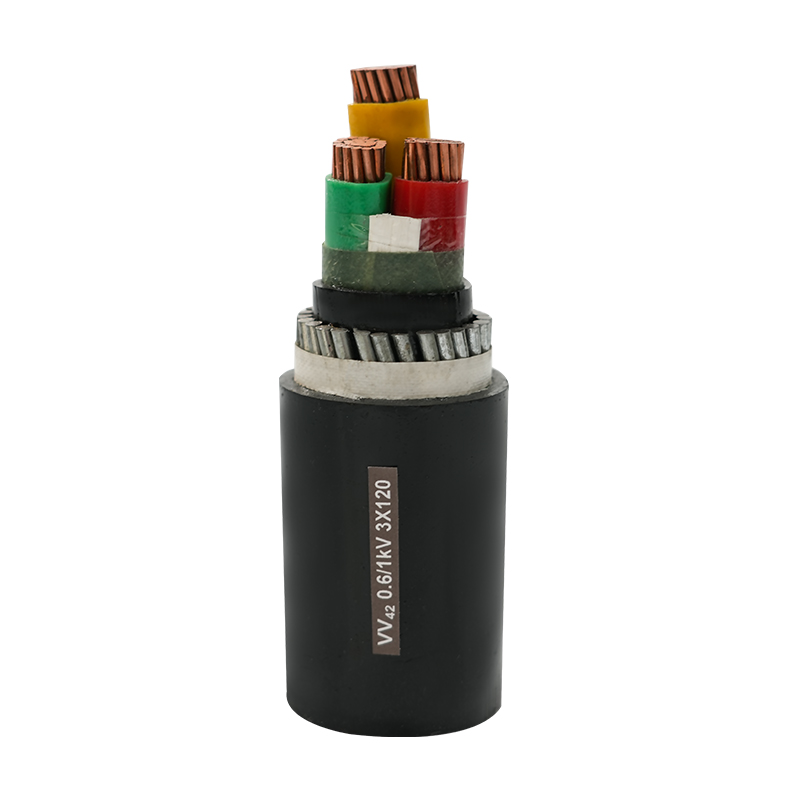
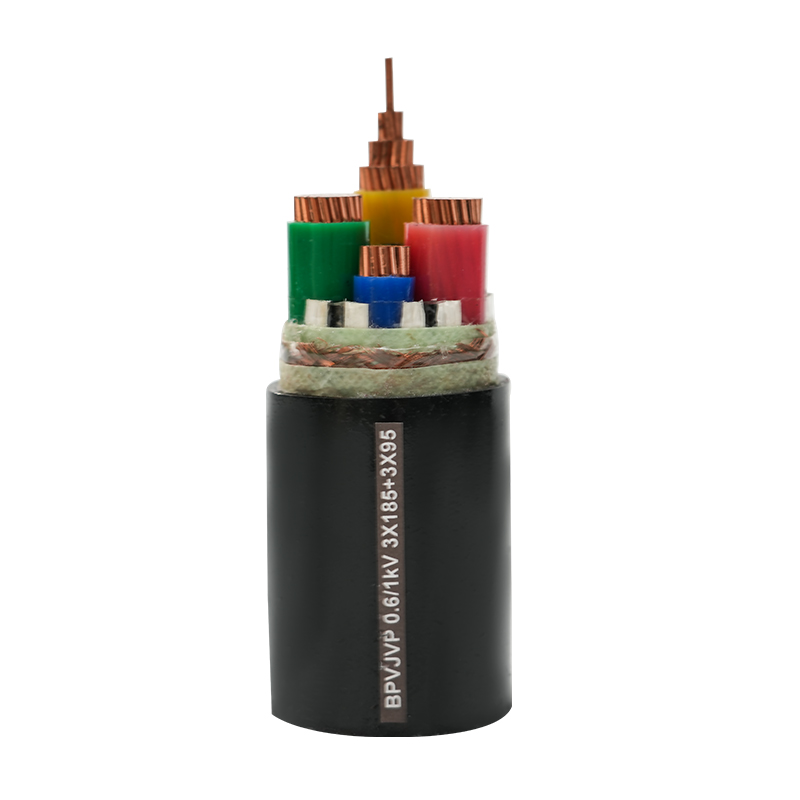
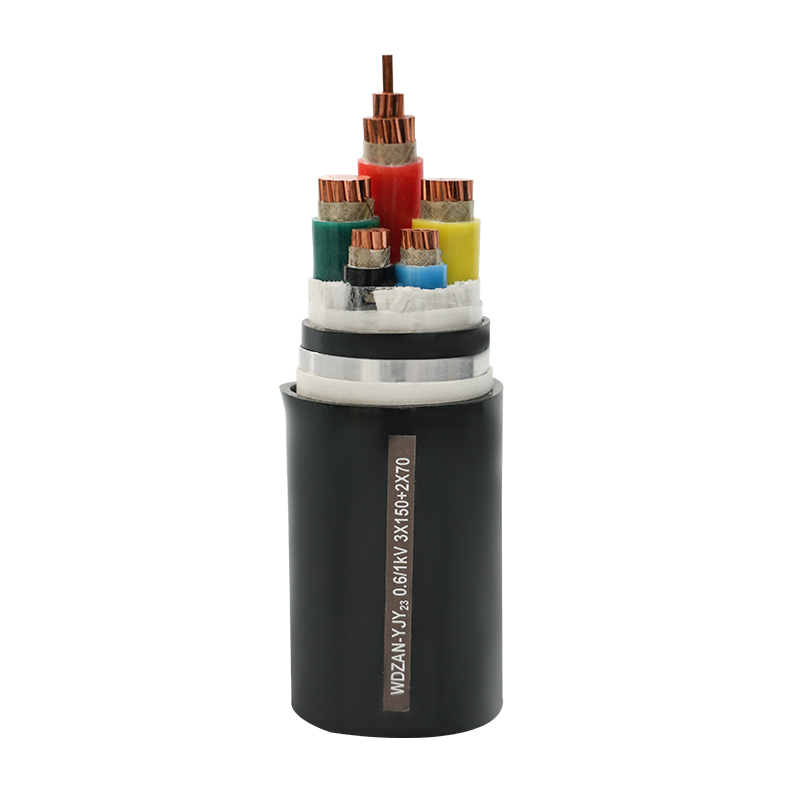
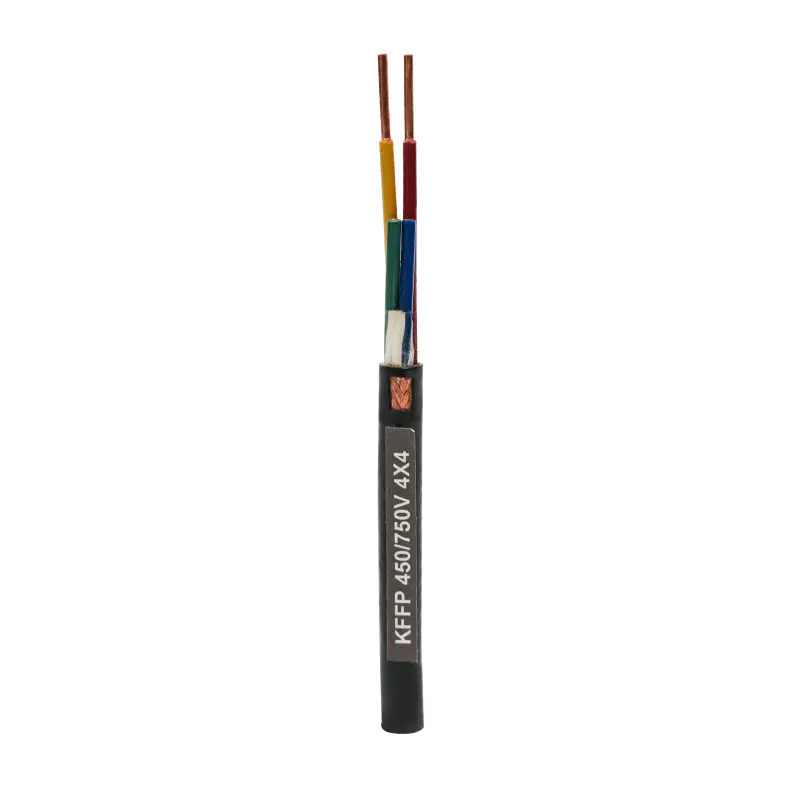
In any electrical infrastructure, from a simple home setup to a complex industrial plant, the Energy Cable is the unsung hero, serving as the critical conduit for power transmission. Its function goes far beyond merely conducting electricity; it is the vital component that ensures efficiency, reliability, and, most importantly, safety across the entire system. A poorly chosen or maintained cable can lead to significant power loss, system failure, and even catastrophic safety hazards. Therefore, a deep understanding of cable specifications, materials, and application environments is paramount for engineers, electricians, and informed homeowners alike. The fundamental structure of these cables—comprising a conductor (usually copper or aluminum), insulation, and a protective jacket—must be meticulously matched to the voltage, current, and environmental stressors of the intended application. Given the increasing complexity of modern power systems, including the integration of renewable energy sources, the selection process requires careful technical consideration to prevent overheating, voltage drop, and premature degradation. This foundational knowledge is the first step toward building a robust and sustainable electrical system that can withstand the test of time and demand.
- Conductor Material Analysis:
- Copper: Higher conductivity, greater flexibility, and resistance to corrosion, often preferred for smaller gauges and high-performance systems.
- Aluminum: Lighter weight and lower cost per unit of conductivity, commonly used for larger gauges and long-distance transmission.
- Insulation Types and Purpose:
- PVC (Polyvinyl Chloride): Cost-effective, good general-purpose insulation, but lower temperature rating.
- XLPE (Cross-Linked Polyethylene): Excellent thermal stability, superior dielectric strength, and high resistance to water and chemicals, ideal for higher voltage applications.
- Cable Shielding:
- Purpose: To confine the electric field, reduce electromagnetic interference (EMI), and protect personnel.
- Types: Metallic tapes, braids, or conductive layers.
Defining the Core Function and Types
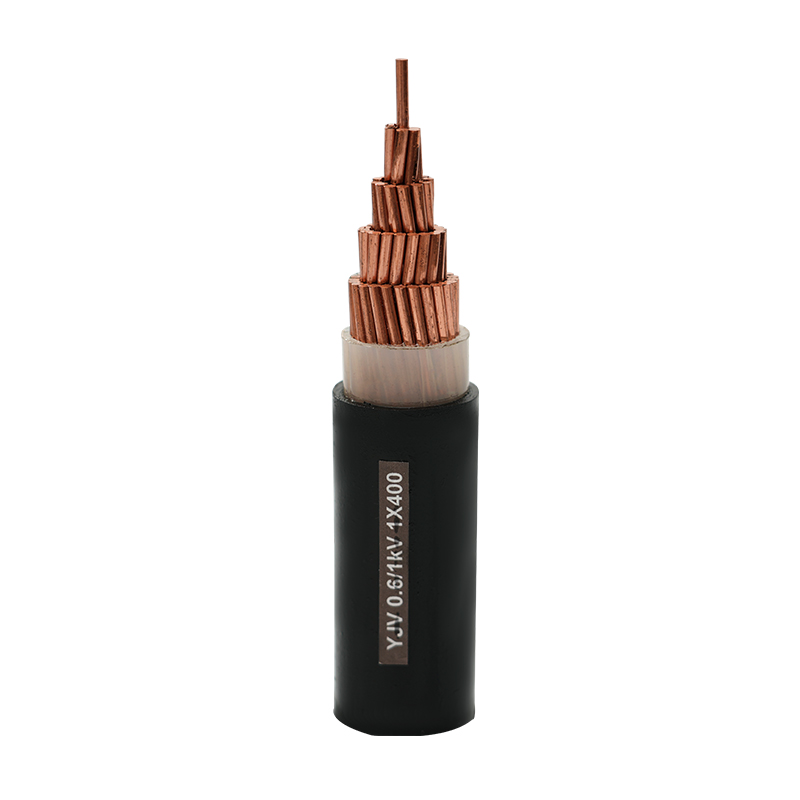
Energy Cable types are highly specialized, categorized primarily by their voltage class (low, medium, or high), their application environment (e.g., direct burial, aerial, submerged), and the materials used in their construction. Understanding these classifications is essential for proper system design. For instance, low-voltage cables (up to 1,000V) are standard for residential and commercial lighting and power, while medium-voltage cables are necessary for power distribution within a utility grid or large industrial campus. The cable’s construction also dictates its flexibility and resistance to external factors. Cables designed for harsh outdoor environments will feature rugged, UV-resistant jackets, whereas those for indoor use might prioritize flame-retardant properties. Correctly identifying the function and type prevents mismatching the cable's capabilities with the system's demands, which is a common source of electrical failures. A thorough review of industry standards and local codes must always precede cable procurement and installation to ensure compliance and longevity.
- Voltage Classification Examples:
- Low Voltage (LV): General wiring, portable appliances.
- Medium Voltage (MV): Utility distribution lines, large motor feeders.
- High Voltage (HV): Long-distance transmission lines.
- Common Cable Structures:
- Single Conductor: Simplest form, used for grounding or in bundled sets.
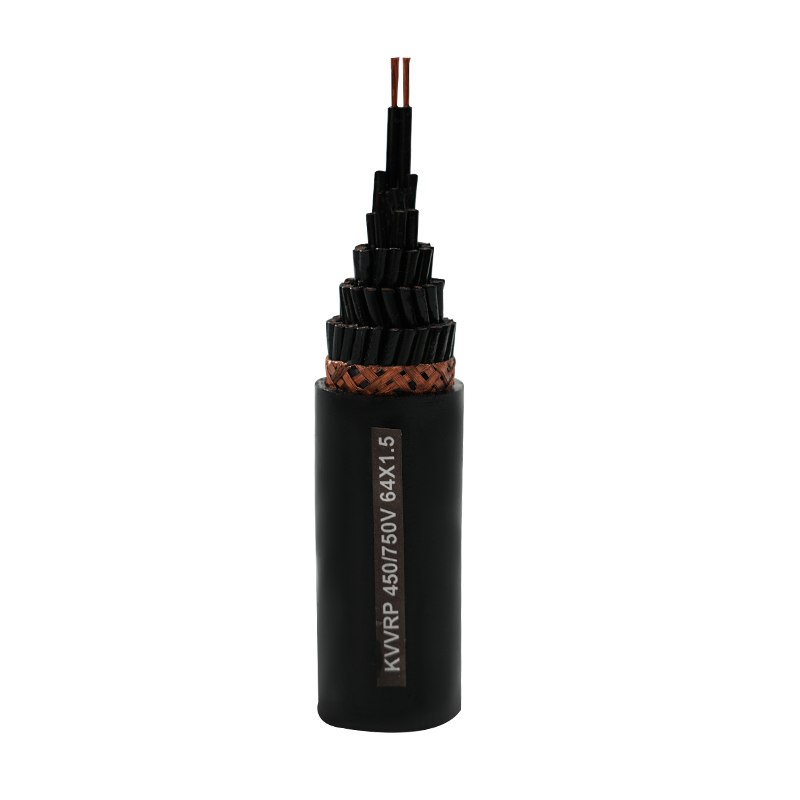
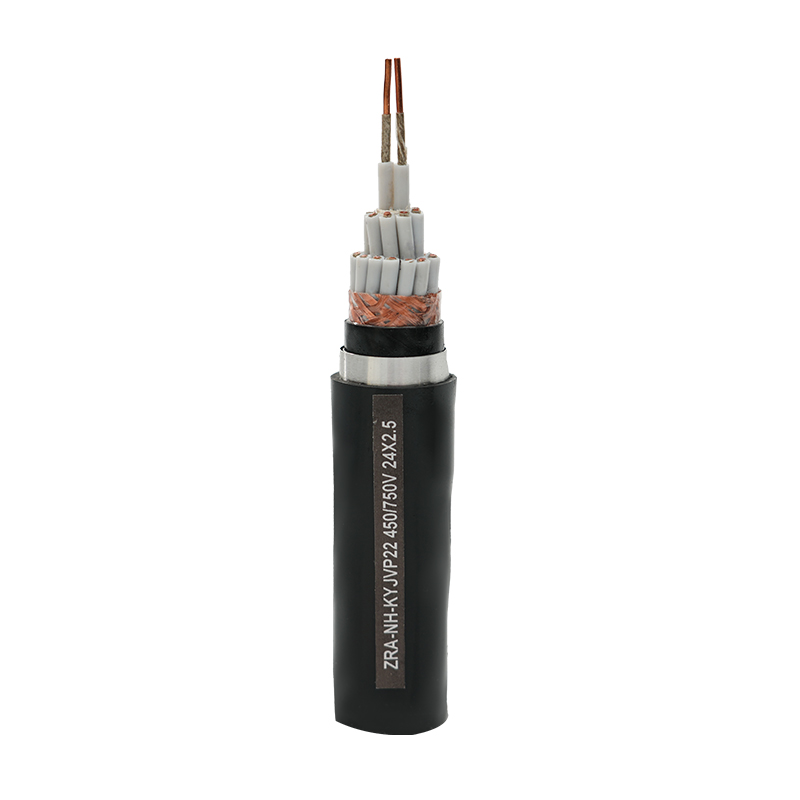
- Multi-Conductor: Multiple conductors grouped and covered by a common jacket for integrated power transmission.
- Comparison of Cable Voltage Classes:
Class Typical Voltage Range Primary Application Area Low-Voltage Up to 1,000 Volts Residential/Commercial Wiring Medium-Voltage 1,000V to 35 kV Utility Distribution/Industrial Feeders High-Voltage 35 kV and above Long-Haul Transmission
Choosing the Right Energy Cable for Solar Panel Systems
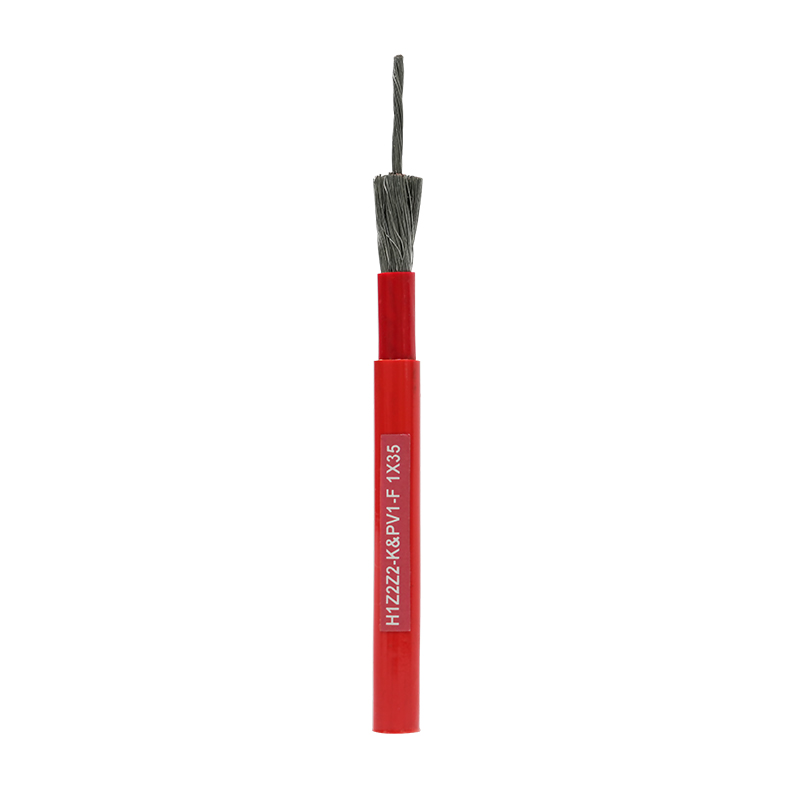
The transition to renewable energy has brought specialized demands, making Choosing the Right Energy Cable for Solar Panel Systems a critical factor in maximizing efficiency and longevity. Photovoltaic (PV) systems operate under unique conditions: they are often exposed to extreme temperatures, intense UV radiation, and moisture, and they must handle direct current (DC) at potentially high voltages before conversion. Standard electrical cables are insufficient for this demanding environment. Dedicated solar cables are typically single-conductor, highly flexible (to accommodate module movement), and feature specialized cross-linked polyolefin (XLPO) or XLPE insulation and jacketing. These materials offer superior resistance to UV exposure, ozone, and hydrolysis, which are the main culprits in premature cable failure outdoors. Furthermore, correct sizing of the cable is vital to minimize power loss dueout to voltage drop, ensuring that the maximum energy generated by the panels successfully reaches the inverter. Overlooking these specific requirements can significantly reduce the overall energy yield and necessitate costly early replacements, undermining the economic viability of the solar installation. A focused selection process based on these environmental and electrical demands is non-negotiable for a high-performing PV array.
- Solar Cable Unique Requirements:
- UV and Ozone Resistance: Essential for prolonged exposure to direct sunlight and atmospheric conditions.
- Temperature Range: Must withstand extreme heat and cold fluctuations without cracking or softening.
- Flexibility: Required for complex cable routing and connections between modules and arrays.
- Key Specifications for PV Systems:
- Rated Voltage: Typically 600V, 1000V, or 1500V DC.
- Gauge: Sized according to the maximum expected current and the distance of the run to minimize voltage drop.
Difference Between AC and DC Energy Cable for Residential Use
For residential power systems, understanding the Difference Between AC and DC Energy Cable for Residential Use is fundamental, particularly with the integration of solar (DC power) and battery storage alongside standard alternating current (AC) house wiring. The primary difference is the way the current flows, which impacts cable design and sizing. AC cables, such as those used from the utility meter into the house, are designed for power that constantly reverses direction. DC cables, commonly found between solar panels and the inverter or between the battery and the charger, carry current in only one direction. This difference means DC wiring requires specific consideration for voltage drop over distance, as the system is often less forgiving of power loss compared to AC systems. Furthermore, DC cable insulation must be rated for the higher DC voltage typically found in solar arrays (e.g., up to 600V or 1000V). In terms of safety, both types must comply with stringent fire and electrical codes, but DC systems introduce unique challenges, such as arc fault detection, which must be addressed through appropriate cable handling and protection mechanisms. Misusing or incorrectly sizing a cable for its designated current type is a serious safety risk and an efficiency liability in any residential setup.
- Current Flow Characteristics:
- AC: Current constantly reverses direction, leading to skin effect (current concentration near the conductor surface) in very large cables.
- DC: Current flows in one constant direction, requiring more focus on resistance-based voltage drop over distance.
- Common Residential Applications:
- AC Cables: Wiring to outlets, lights, and appliances; connection from the main breaker panel to the utility.
- DC Cables: Interconnection of solar panels (PV wires), battery bank wiring.
- Comparison of AC vs. DC Cable Considerations:
Factor AC Cable Considerations DC Cable Considerations Voltage Drop Calculated using impedance (resistance and reactance) Calculated primarily by resistance only (critical for low-voltage systems) Insulation Rating Rated for RMS voltage Rated for the peak DC voltage (often higher than comparable AC RMS) Safety Concern Short circuits, overcurrents Arc faults (sustained high-energy arcs)
Low-Voltage Energy Cable Installation Guide for DIY Projects
Embarking on a DIY project involving a Low-Voltage Energy Cable Installation Guide for DIY Projects requires precision and adherence to safety protocols, regardless of the seemingly lower hazard compared to high-voltage work. Low-voltage cables, typically used for landscape lighting, smart home systems, or small security setups, still demand careful handling to ensure functionality and prevent fire risks. The installation process starts with meticulous planning: determining the total current draw, calculating the required wire gauge to minimize voltage drop across the run, and confirming the cable’s suitability for its environment (e.g., wet-rated for outdoors). Proper termination is perhaps the most critical step; loose or corroded connections are the primary cause of system failure and localized overheating. Using the correct connectors, stripping the insulation cleanly, and securing connections firmly in a junction box are non-negotiable steps. By focusing on these professional installation techniques, DIY enthusiasts can achieve a reliable, high-performance system that meets all safety standards and offers long-term durability, avoiding the pitfalls of amateur wiring.
- Planning and Preparation:
- Current Calculation: Sum all loads (devices) to determine the total current (Amps) required.
- Gauge Sizing: Use a voltage drop calculator to determine the minimum required American Wire Gauge (AWG) for the calculated current and distance.
- Environmental Rating: Ensure the cable jacket is rated for the installation location (e.g., "CL2" for in-wall, "UF" for direct burial).
- Tool Essentials:
- Wire strippers (correct gauge), cable cutters, multimeter, and appropriate crimping tools.
Factors Affecting Energy Cable Lifespan and Maintenance Tips
Maximizing the service life of a power infrastructure requires a clear understanding of the Factors Affecting Energy Cable Lifespan and Maintenance Tips. Cables are not permanent fixtures; they are subject to continuous degradation from thermal, chemical, mechanical, and electrical stresses. Heat is arguably the most destructive factor; exceeding the cable's maximum operating temperature due to overloading or poor ventilation accelerates insulation breakdown exponentially. Environmental factors like chemical spills, prolonged exposure to UV light, or rodent damage can compromise the outer jacket, leading to moisture intrusion and conductor corrosion. Mechanical stress from tight bends, excessive tension during installation, or constant vibration can also cause internal fatigue and premature failure. To combat these issues, a proactive maintenance schedule is essential. Regular visual inspections for signs of cracking, swelling, or discoloration, coupled with infrared thermography to detect localized hotspots, can identify potential problems long before they lead to a system failure. By mitigating these known stressors and implementing a rigorous inspection routine, the expected service life of the Energy Cable can be significantly extended, protecting the overall investment and ensuring uninterrupted power delivery.
- Primary Degradation Mechanisms:
- Thermal Stress: High operating temperature accelerates the chemical aging of insulation.
- Mechanical Stress: Repeated flexing, impact, or crushing forces the conductor or jacket to fail.
- Environmental Stress: Exposure to UV, moisture, or corrosive chemicals weakens the outer sheath.
- Preventive Maintenance Strategies:
- Infrared Scanning: Quarterly use to detect temperature anomalies (hotspots) at terminations or splices.
- Cleaning: Removing dust, dirt, and chemical buildup that can lead to tracking or insulation breakdown.
- Torque Checks: Periodically verifying the tightness of terminal connections.
- Cable Degradation Comparison:
Degradation Type Common Cause Maintenance Tip Thermal Overloading, poor ventilation, faulty connections Use infrared cameras; ensure proper spacing Environmental Direct sun exposure, chemical fumes Verify UV/chemical resistance rating; install in conduit Mechanical Excessive bending, constant vibration Secure cable properly; maintain minimum bend radius
Understanding Energy Cable Ampacity Ratings and Safety Standards
The core technical specification for any power conductor is its ampacity, and Understanding Energy Cable Ampacity Ratings and Safety Standards is non-negotiable for system safety and compliance. Ampacity is defined as the maximum current (in Amperes) a conductor can continuously carry under specified conditions without exceeding its temperature rating. This rating is not a fixed number; it is highly dependent on factors such as the conductor material and gauge, the insulation material, the number of conductors bundled together, and the ambient temperature of the installation environment. For example, a cable installed in a hot, enclosed conduit will have a significantly lower ampacity than the same cable installed in free air. Therefore, derating factors—mathematical adjustments to the base ampacity—must be applied to account for these conditions, ensuring the cable never operates outside its safe thermal limit. Compliance with national and international safety standards, such as those from the Underwriters Laboratories (UL) or the International Electrotechnical Commission (IEC), is the final layer of protection. These certifications verify that the cable’s design and materials meet rigorous testing requirements for fire resistance, dielectric strength, and mechanical integrity, providing confidence in the system's long-term reliability and personnel safety.
- Factors Influencing Ampacity:
- Conductor Size (Gauge): Larger conductors have lower resistance and higher ampacity.
- Insulation Type: Higher temperature-rated insulation allows for higher continuous current.
- Installation Method: Cables in conduit or bundled tightly must be derated.
- Ambient Temperature: Higher surrounding temperatures require a lower ampacity rating.
- Derating Principles:
- Definition: Reducing the nominal ampacity to compensate for unfavorable thermal conditions.
- Common Factors: Number of current-carrying conductors in a raceway; ambient temperature above a reference point.
Conclusion: Powering the Future Responsibly
The selection and management of the Energy Cable are foundational to the performance, safety, and longevity of any electrical system. From understanding the nuanced Difference Between AC and DC Energy Cable for Residential Use to meticulously Choosing the Right Energy Cable for Solar Panel Systems, every decision impacts power flow efficiency. By adhering to professional installation practices, diligently applying the principles behind Understanding Energy Cable Ampacity Ratings and Safety Standards, and engaging in proactive maintenance to mitigate Factors Affecting Energy Cable Lifespan, engineers and consumers alike can ensure a robust and reliable power infrastructure. Investing time in these technical considerations prevents future failures and contributes to a safer, more sustainable energy future.
FAQ
What is the optimal method for calculating voltage drop in a long Energy Cable run?
The optimal method involves using the voltage drop formula, which directly relates the conductor material's resistivity, the cable length, the current, and the wire gauge. For DC systems, the calculation is straightforward, primarily involving resistance. For AC systems, however, impedance (which includes inductive reactance) must be considered, particularly for large conductors and long runs. The standard acceptable limit for total voltage drop in a system (source to load) is typically 3% to 5%. Precise calculation ensures the load receives sufficient voltage, preventing system underperformance and premature motor wear. Always cross-reference your calculated requirement with recognized standards and tables for your chosen Energy Cable type to ensure accuracy and compliance.
How does ambient temperature affect the ampacity rating mentioned in Understanding Energy Cable Ampacity Ratings and Safety Standards?
Ambient temperature is one of the most significant derating factors for any Energy Cable. Ampacity is rated based on the assumption that the cable's generated heat can dissipate effectively into a standard reference ambient temperature (often $30^{\circ}\text{C}$ or $86^{\circ}\text{F}$). If the actual installation temperature is higher—for example, in a hot attic or in underground conduit—the cable's ability to shed heat is reduced. This means the cable will reach its maximum safe operating temperature at a lower current, necessitating a derating factor (a multiplier less than 1.0) to safely limit the current. Failing to apply the correct ambient temperature derating can lead to overheating, insulation deterioration, and failure, severely impacting the cable’s lifespan and creating a fire hazard.
What are the primary safety considerations when performing a Low-Voltage Energy Cable Installation Guide for DIY Projects?
Even low-voltage (e.g., 12V or 24V) systems demand careful attention to safety. The primary safety concerns are thermal risk and fire. Although the voltage is low, a high current draw on an undersized or improperly terminated cable can generate significant heat ($P = I^2R$). Key safety steps include: ensuring all power is disconnected before working; using only components (cable, connectors, power supply) that are rated for the environment (e.g., wet locations); meticulously calculating the required gauge to prevent overheating and voltage drop; and ensuring all splices and connections are housed in approved, properly sealed junction boxes. Loose connections are prone to arcing and resistance-based heating, a major cause of failure even in low-voltage circuits, which is why following a professional Low-Voltage Energy Cable Installation Guide for DIY Projects is crucial.
Is there a difference in maintenance for overhead versus underground Energy Cable installations?
Yes, maintenance strategies differ significantly because the Factors Affecting Energy Cable Lifespan and Maintenance Tips are different for each environment. Overhead cables are subject to mechanical damage (wind, falling branches), environmental damage (UV, icing), and visible wear. Maintenance involves routine visual line patrols, infrared scanning for hot spots at splices, and checking conductor sag. Underground cables, however, are hidden and subject to moisture, corrosive soil chemicals, and mechanical dig-ins. Maintenance is less visual and relies heavily on preventative testing, such as insulation resistance testing (Megger testing) and VLF (Very Low Frequency) testing to detect water treeing and insulation degradation before a failure occurs. Both require meticulous record-keeping, but the testing methods for underground cables are more specialized and diagnostic in nature.
 Email:
 Telephone:+86-0514-85086085
 FAX:+86-0514-85086085
 Phone:+86-15861389306