 Email:
  Telephone: +86-0514-85086085
 FAX: +86-0514-85086085
 English
 中文简体
中文简体 русский
 عربى
عربى
Content
- 1 Understanding the Fundamentals of Copper Building Wire
- 2 Detailed Analysis of Key Copper Wiring Applications and Comparisons
- 3
- 4 The Role of Manufacturer Expertise in Delivering Quality Copper Wire
Understanding the Fundamentals of Copper Building Wire
Copper building wire serves as the literal lifeline of modern infrastructure, carrying electrical power safely and reliably throughout residential, commercial, and industrial structures. Its primary role is to distribute electricity from the main service panel to various outlets, lighting fixtures, and appliances. The choice of wiring material is a critical decision in any construction or renovation project, impacting safety, efficiency, longevity, and compliance with electrical codes. Unlike other materials, copper possesses a unique combination of properties that have made it the gold standard for electrical conductors for over a century. Its excellent electrical conductivity, superior tensile strength, and exceptional resistance to heat and corrosion contribute to a stable and secure electrical system. This section delves into the core reasons why copper remains the preferred choice for engineers, electricians, and builders worldwide, setting the stage for a deeper exploration of its specific applications and considerations.
When evaluating materials for electrical wiring, several key factors come into play. Conductivity is paramount, as it directly affects energy efficiency—higher conductivity means less energy is lost as heat during transmission. Safety is non-negotiable, encompassing factors like melting point, flame retardancy, and resistance to deterioration. Mechanical strength is also crucial, as wires must withstand pulling during installation and potential environmental stresses over decades of service. Finally, long-term reliability and compatibility with connectors and devices ensure a system that requires minimal maintenance. Copper excels in all these categories, offering a balance that alternative materials struggle to match. This intrinsic superiority is why national and international electrical codes overwhelmingly specify or assume the use of copper for building wiring in critical circuits, ensuring that the hidden networks within our walls provide a foundation of safety and performance.
Detailed Analysis of Key Copper Wiring Applications and Comparisons
Selecting the Right Wire for Renewable Energy Integration
The Critical Role of Copper Building Wire for Residential Solar Panel Systems
Integrating a solar panel system into a home's electrical grid places unique demands on wiring. The direct current (DC) output from the panels and the alternating current (AC) from the inverter require wires that can handle specific environmental and electrical stresses. Copper building wire for residential solar panel systems must be selected with utmost care to ensure longevity, efficiency, and safety. These wires are often exposed to harsh conditions, including ultraviolet (UV) radiation, wide temperature fluctuations, and potential moisture ingress. Therefore, the insulation material is as important as the copper conductor itself. Cross-linked polyethylene (XLPE) or ethylene propylene rubber (EPR) insulations are commonly specified for their superior weatherability, thermal stability, and resistance to cracking.
Beyond environmental robustness, the electrical characteristics are paramount. For the DC side, running from panels to the inverter, voltage drop calculation is critical. Since solar systems operate at relatively higher DC voltages (like 600V or 1000V), using undersized wire can lead to significant power losses, reducing the overall efficiency and financial return of the solar investment. Professionals must calculate the appropriate wire gauge based on the maximum current, circuit length, and allowable voltage drop. For the AC side, connecting the inverter to the main service panel, standard building wire types like THHN/THWN-2 in conduit are often used, but they must be rated for the full output current of the inverter. A manufacturer with expertise in specialized cables, such as Yangzhou Yaguang Cable Co., Ltd., which produces solar cables among its comprehensive range, understands these precise requirements. Their experience in developing cables that meet international certifications like TUV for solar applications ensures that the wiring is not just adequate, but optimized for the task, providing reliable conductivity and durability over the system's 25+ year lifespan.
Ensuring Durability for Exterior Installations
Running power to detached garages, landscape lighting, or outbuildings requires wiring that can survive direct burial in the earth. This is where Underground Feeder (UF) cable comes into play. Understanding underground feeder copper wire burial depth requirements is a fundamental aspect of code-compliant and safe installation. The burial depth is not arbitrary; it is prescribed by the National Electrical Code (NEC) and local regulations to protect the cable from physical damage from digging, frost heave, and routine ground pressure. A typical requirement for UF cable carrying 120 volts is a minimum depth of 24 inches. However, if the circuit is protected by a Ground Fault Circuit Interrupter (GFCI) and is for residential use only, the depth may be reduced to 12 inches in some jurisdictions. These rules are strict and must be verified locally.
UF cable is specifically designed for this purpose. It features solid or stranded copper conductors surrounded by a moisture-resistant, corrosion-proof sheath that is integral to the cable, unlike individual insulated wires pulled through a separate conduit. While conduit (PVC or metal) can also be used for underground runs, offering superior physical protection and easier future wire replacement, UF-B cable is a common, cost-effective solution for direct burial. The table below contrasts key aspects of direct burial with UF cable versus installation in conduit.
| Feature | Direct Burial with UF-B Cable | Installation in Conduit |
|---|---|---|
| Primary Protection | Integral, tough plastic sheath resistant to moisture and soil chemicals. | Rigid PVC or metal conduit providing a physical barrier. |
| Installation Depth (Typical NEC for 120V) | 24 inches (or 12 inches under specific GFCI conditions). | 18 inches for PVC conduit, 6 inches for rigid metal conduit (RMC). |
| Future Proofing | Difficult to replace or upgrade wires without digging. | Wires can be pulled out and new ones pulled in without excavation. |
| Cost Consideration | Generally lower material cost, but digging is labor-intensive. | Higher material cost for conduit, but may allow shallower trench. |
| Best For | Permanent, fixed circuits to outbuildings where future changes are unlikely. | Areas with rocky soil, high risk of damage, or where future circuit upgrades are anticipated. |
Regardless of the method, using high-quality copper wire is essential for underground applications. The constant presence of moisture makes corrosion resistance critical. Copper's natural resistance to oxidation, combined with a proper jacket, ensures a stable connection and consistent performance for decades. Manufacturers with strong quality systems, like those holding ISO 9001 certification, ensure their UF-B cables consistently meet the stringent standards for insulation thickness, conductor integrity, and overall durability required for a safe, long-lasting underground installation.
Decoding Insulation Types for Protected Runs
A Clear Comparison of THHN vs THWN-2 Copper Wire for Conduit Installation
Inside conduits, raceways, and other protected locations, the most common types of copper building wire are THHN and THWN-2. While they look similar, understanding the difference between THHN vs THWN-2 copper wire for conduit installation is key to selecting the right product for the environment. The letters in these designations are acronyms that describe the wire's properties: T (Thermoplastic), H (Heat-resistant), HH (High Heat-resistant up to 90°C), W (Water-resistant), N (Nylon-coated). Historically, THHN and THWN were separate wires. THHN had higher heat resistance but was not rated for wet locations. THWN had water resistance but a lower temperature rating.
The modern standard, THWN-2, combines the best of both. The "-2" indicates it is rated for both 90°C in dry locations and 75°C in wet locations, and it carries the water resistance of the old THWN. In practice, almost all wire sold today for conduit work is dual-rated as THHN/THWN-2, meaning a single wire is suitable for both dry and damp/wet conditions inside conduit. This universality simplifies inventory and installation. However, it's crucial to check the printing on the wire's jacket. If a project specifically requires installation in a wet location (like a conduit underground or in a concrete slab that may contact moisture), you must ensure the wire is explicitly rated THWN-2 or THHN/THWN-2, not just THHN. The table below summarizes this critical distinction.
| Property | THHN (Older Standard) | THWN-2 (Modern Standard) |
|---|---|---|
| Maximum Temperature (Dry Locations) | 90°C (194°F) | 90°C (194°F) |
| Maximum Temperature (Wet Locations) | Not Rated | 75°C (167°F) |
| Moisture Resistance | None | Excellent, suitable for damp and wet locations. |
| Common Application | Dry, interior conduit runs in commercial and industrial settings. | Universal for both dry and wet interior conduit runs; the default choice for most new installations. |
| Jacket Identification | Typically printed as "THHN". | Typically printed as "THHN/THWN-2" or "THWN-2". |
For conduit installations, whether in a high-rise or a single-family home, specifying dual-rated THHN/THWN-2 copper wire provides maximum flexibility and safety. It ensures compliance even if some sections of conduit are considered damp. A manufacturer with a broad production capability, able to produce over 10,000 specifications of cable like Yangzhou Yaguang Cable Co., Ltd., can reliably supply these standard building wires in exact gauges and configurations needed for large projects, ensuring consistency and traceability throughout the construction.
Choosing Between Conductor Constructions
The Practical Implications of Stranded vs Solid Copper Wire for Home Electrical Wiring
Another fundamental choice in wiring is between solid and stranded conductors. The debate of stranded vs solid copper wire for home electrical wiring revolves around application, installation method, and electrical performance. Solid wire consists of a single, solid piece of copper metal. It is rigid, holds its shape well, and is typically easier to terminate (connect to outlets, switches, or breakers) because the solid end fits securely under screw terminals. Stranded wire is composed of many small-gauge wires twisted or braided together. It is flexible, resistant to metal fatigue from repeated bending, and easier to pull through long or curved conduits.
In residential wiring, solid copper wire is the traditional and most common choice for branch circuit wiring within walls and ceilings (e.g., NM-B / Romex cable). Its stiffness makes it easy to push through holes in studs and fasten in place. For the fixed, once-and-done connections at devices, solid wire provides a stable, high-surface-area contact under a screw. Stranded wire, however, finds its place in specific home applications. It is often used for service entrance cables, appliance leads (like for ranges and dryers), control wiring for HVAC systems, and any situation where significant flexibility is required, such as wiring for a ceiling fan or a garbage disposal. It's also standard for wires larger than 10 AWG, as a solid conductor that large would be impossibly rigid. The choice impacts the installer's ease and the long-term mechanical reliability of the connection.
- Solid Copper Wire Advantages:
- Lower cost for the same gauge.
- Easier to insert into back-stab connections on outlets (though screw terminals are recommended).
- Less susceptible to corrosion over time because it has less surface area exposed to air.
- Excellent for permanent, vibration-free connections.
- Stranded Copper Wire Advantages:
- Superior flexibility, reducing installer fatigue on long pulls.
- Higher resistance to breaking from vibration or repeated movement (metal fatigue).
- Better performance in frequent-flex applications (e.g., pendant lights, doorbell wiring).
- Often used with ring or fork terminals for secure connections in panels.
For a home builder or electrician, having a reliable source for both types of wire is essential. A specialized manufacturer can provide both constructions, ensuring that the solid wire for in-wall circuits and the stranded wire for appliance hooks-ups and panel connections all meet the same high standards of purity, conductivity, and consistent gauge size. This consistency, backed by comprehensive product certifications, guarantees that every segment of the home's electrical system performs as an integrated whole.
Prioritizing Safety in Modern Construction
The Importance of Fire-Resistant Copper Cable for High-Rise Building Safety Codes
In multi-story buildings, especially high-rises, the stakes for electrical safety are exponentially higher. A fire or circuit failure can have catastrophic consequences, affecting hundreds of occupants and hindering evacuation and firefighting efforts. This is why the specification of fire-resistant copper cable for high-rise building safety codes is not just a recommendation but a stringent legal requirement in most jurisdictions. Fire-resistant cables are engineered to maintain circuit integrity and continue to function for a specified period (e.g., 60, 90, or 120 minutes) under direct flame and extreme heat. This allows critical safety systems—including fire alarms, emergency lighting, smoke extraction fans, and firefighter elevators—to remain operational during an evacuation and fire suppression operation.
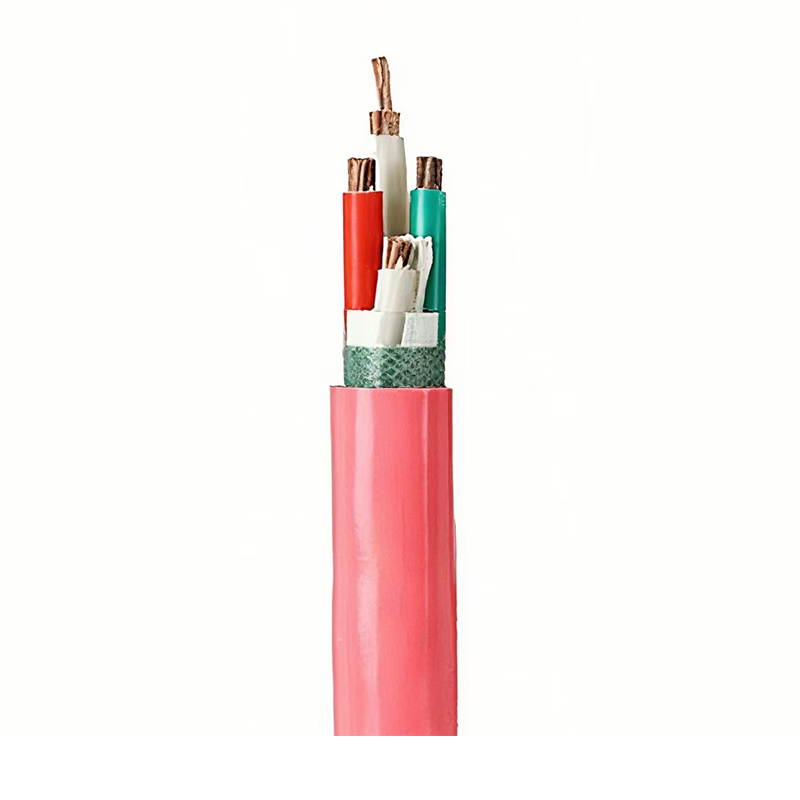
These cables achieve their performance through specialized insulation and construction. Materials like mineral insulation (MI cable) or ceramic silicone rubbers are used, which do not produce significant toxic smoke or halogen gases when burned. The copper conductor itself, due to its high melting point (1085°C), remains intact longer than alternatives. Building codes, such as the NEC in the U.S. or equivalent standards globally, have specific articles (like Article 728 for Fire-Resistive Cable Systems) governing their installation in risers, shafts, and lifeline circuits. Compliance is verified through rigorous independent testing according to standards like UL 2196 (Fire Test for Circuit Integrity).
For developers, architects, and electrical engineers, selecting these cables involves more than just checking a box. It requires partnering with manufacturers who have proven expertise in this highly specialized field. A company like Yangzhou Yaguang Cable Co., Ltd., with its history of obtaining demanding international product certifications (UL, ABS, BV, etc.) for competitive products, is positioned to understand the precise formulation and production controls needed for reliable fire-resistant cables. Their commitment to serving customers worldwide with reliable quality aligns perfectly with the non-negotiable demand for safety in high-rise construction. Using certified fire-resistant copper cable ensures that the building's electrical backbone supports life safety first, protecting both property and lives by giving occupants and first responders the time and functional systems needed in an emergency.
The Role of Manufacturer Expertise in Delivering Quality Copper Wire
The journey from copper ore to a spool of reliable building wire is one of precision engineering and stringent quality control. While the material science of copper is well-understood, the consistency, purity, and performance of the final wire product depend heavily on the manufacturer's processes, ethos, and certifications. A manufacturer's investment in modern production equipment, standardized workshops, and comprehensive testing labs directly translates to wire that meets exact specifications every time. For specifiers and buyers, this means peace of mind—knowing that the 12 AWG THHN/THWN-2 wire used on the 10th floor has the exact same diameter, insulation thickness, and conductivity as the wire used in the basement, ensuring predictable voltage drop and safe circuit loading.
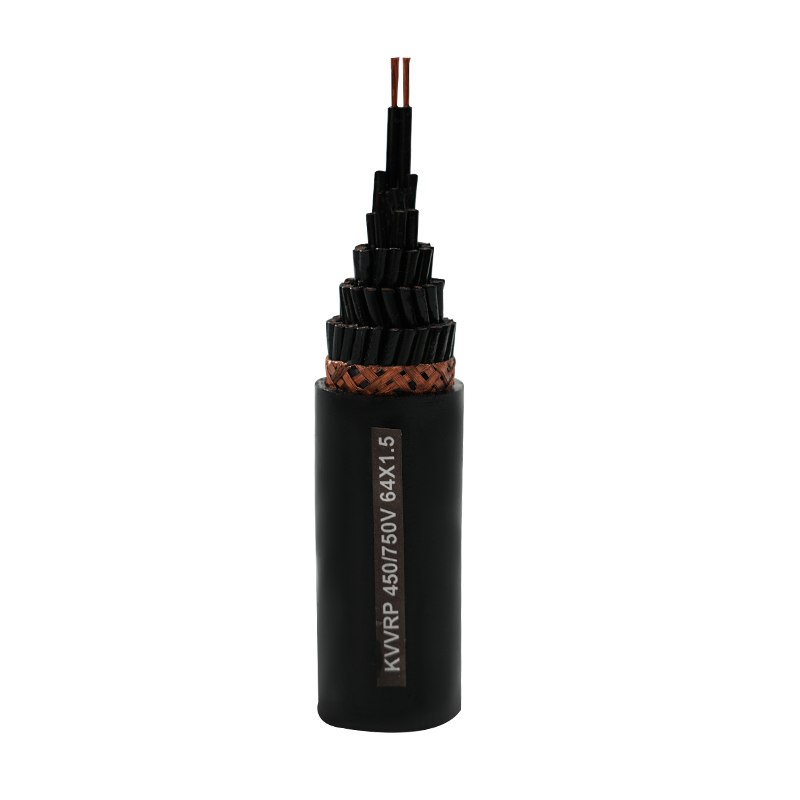
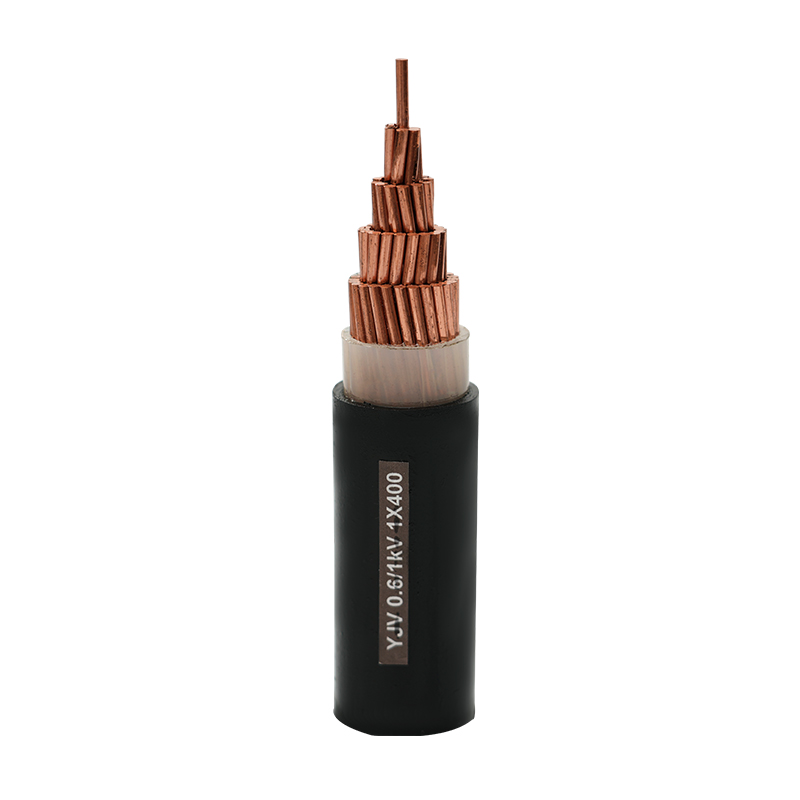
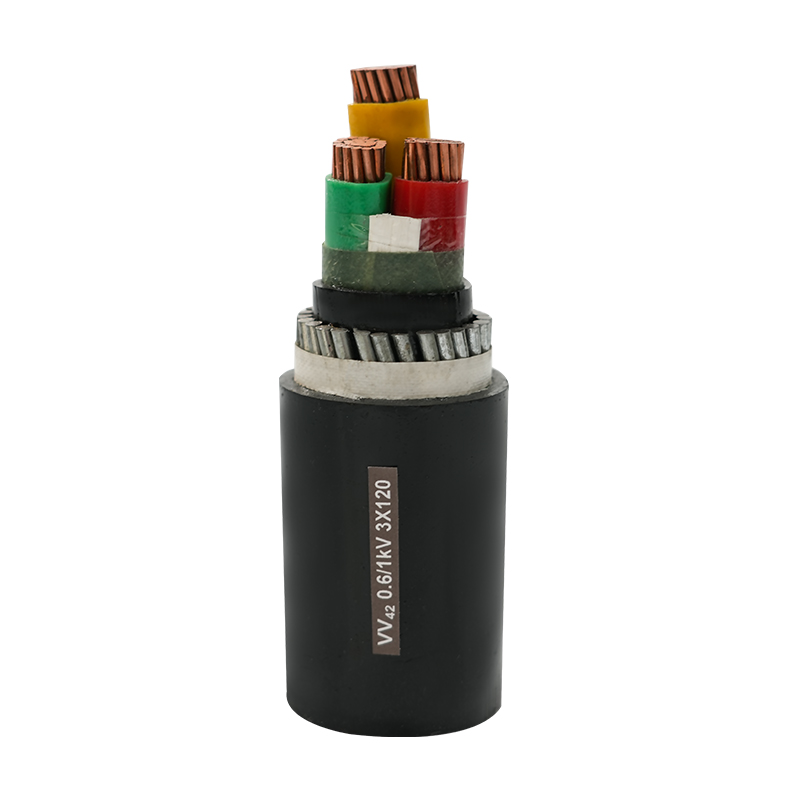
Certifications tell a critical part of this story. ISO 9001 certification demonstrates a systematic approach to quality management, ensuring processes are controlled and improved continuously. Product-specific certifications from bodies like UL, TUV, or CCS are not merely stickers; they are the result of exhaustive testing of samples and ongoing factory surveillance to ensure the manufactured product continues to meet the published standard. For a company like Yangzhou Yaguang Cable Co., Ltd., being recognized as a "specialized and sophisticated little giant enterprise" and a qualified supplier to top global entities underscores a proven track record. Their ability to produce over 10,000 specifications, including specialized cables for solar, marine, and control applications, indicates a deep technical portfolio that can support complex projects where standard building wire is just one component of a larger, integrated cabling system.
Ultimately, whether the requirement is for simple residential branch wiring or complex, fire-resistant copper cable for high-rise building safety codes, the source matters. A manufacturer grounded in a pragmatic spirit and dedication to reliable quality, reasonable pricing, and exceptional service becomes more than a vendor; it becomes a partner in ensuring the safety, efficiency, and longevity of the electrical infrastructure that powers our daily lives. By understanding both the technical nuances of wire types—such as the debate between stranded vs solid copper wire for home electrical wiring or the correct application of THHN vs THWN-2 copper wire for conduit installation—and the importance of robust manufacturing origins, professionals can make truly informed decisions for every construction and wiring challenge.
 Email:
 Telephone:+86-0514-85086085
 FAX:+86-0514-85086085
 Phone:+86-15861389306