 Email:
  Telephone: +86-0514-85086085
 FAX: +86-0514-85086085
 English
 中文简体
中文简体 русский
 عربى
عربى
In the intricate world of electrical infrastructure, the selection of the right power cable is paramount for ensuring safety, reliability, and efficiency. Among the various options available, Low Voltage XLPE Power Cable has emerged as a cornerstone for modern electrical distribution and transmission systems. This article delves deep into the characteristics, applications, and key considerations surrounding these cables, providing valuable insights for engineers, project planners, and procurement specialists. With a legacy of manufacturing excellence, companies like Yangzhou Yaguang Cable Co., Ltd., founded in 1998 and recognized as a specialized and sophisticated enterprise, have been at the forefront of producing high-quality cables that meet rigorous international standards, including a wide range of Low Voltage XLPE Power Cables.
Content
- 1 What is Low Voltage XLPE Power Cable?
- 2 Top 5 Advantages of Choosing XLPE Insulation for Low Voltage Cables
- 3 Critical Applications and Industry Uses
- 4 How to Select the Right Low Voltage XLPE Cable: A Buyer's Guide
- 5 Installation Best Practices and Maintenance Tips
- 6 Frequently Asked Questions (FAQs)
- 6.1 1. What is the main difference between XLPE and PVC power cables?
- 6.2 2. Can Low Voltage XLPE Cable be used for direct burial?
- 6.3 3. Is an LSZH sheath necessary for all XLPE cables?
- 6.4 4. How do I calculate the correct cable size (ampacity) for my project?
- 6.5 5. Why are certifications like UL, TUV, and ABS important for these cables?
- 7
- 8 References
What is Low Voltage XLPE Power Cable?
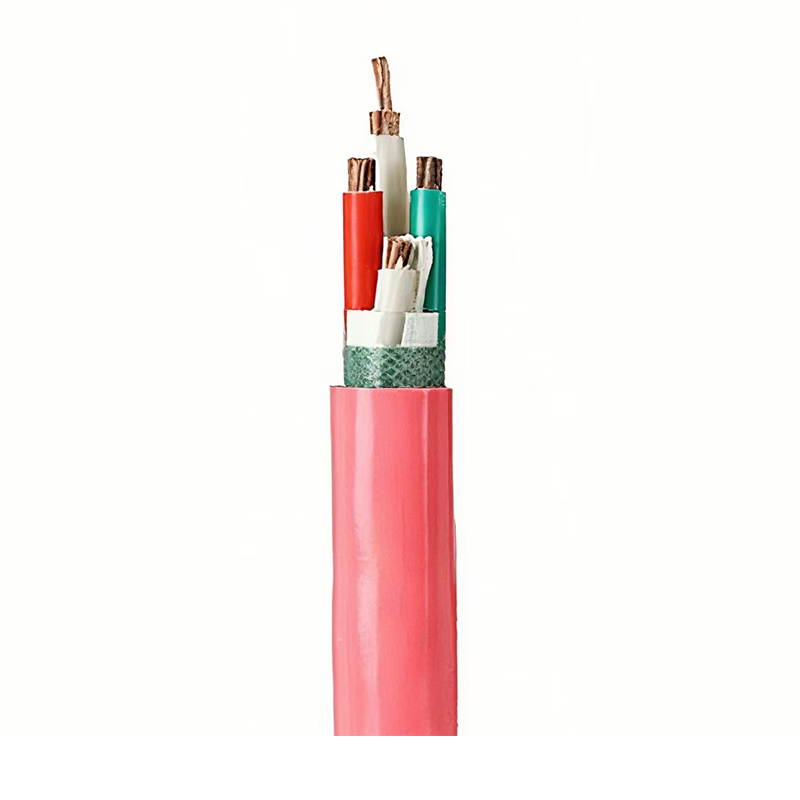
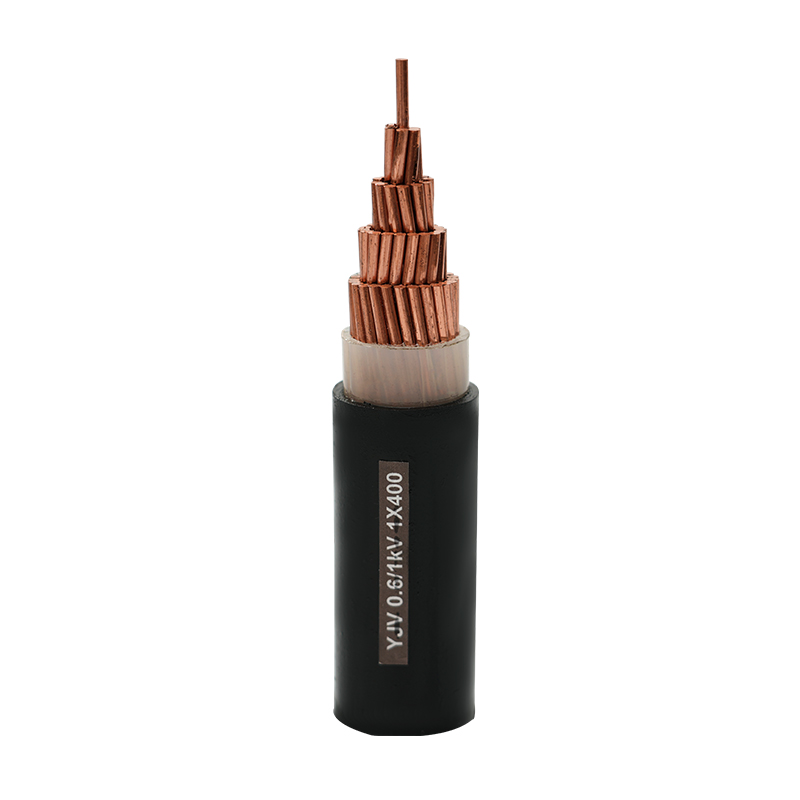
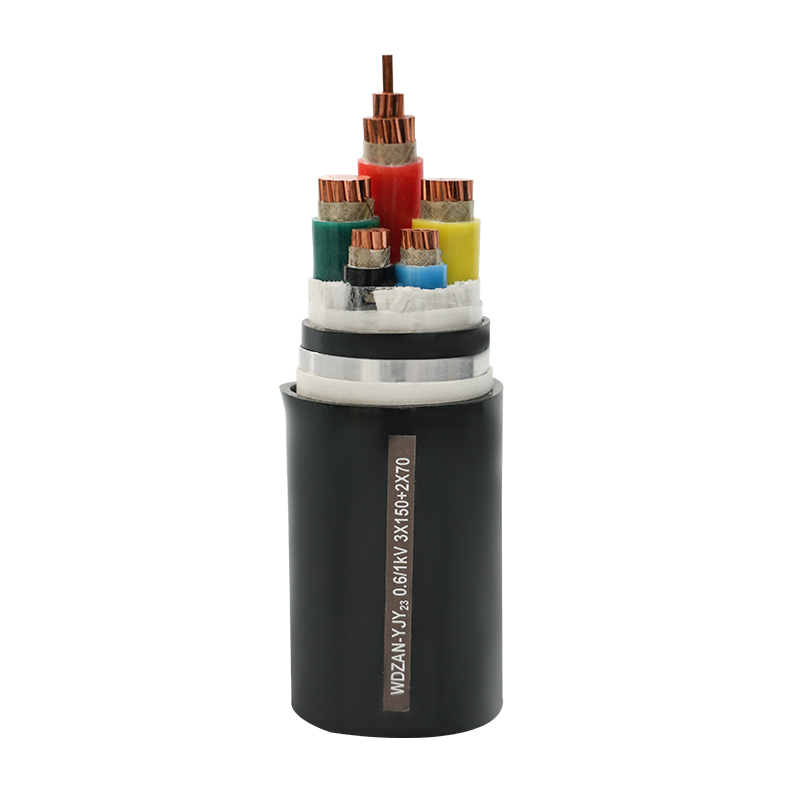
Low Voltage XLPE Power Cable is designed for electrical systems operating at voltages up to 1kV (1000V). Its defining component is the insulation material: Cross-Linked Polyethylene (XLPE). This thermosetting material is created by subjecting polyethylene to a chemical or physical process that forms cross-links between its polymer chains. This process fundamentally enhances the material's properties compared to its precursor.
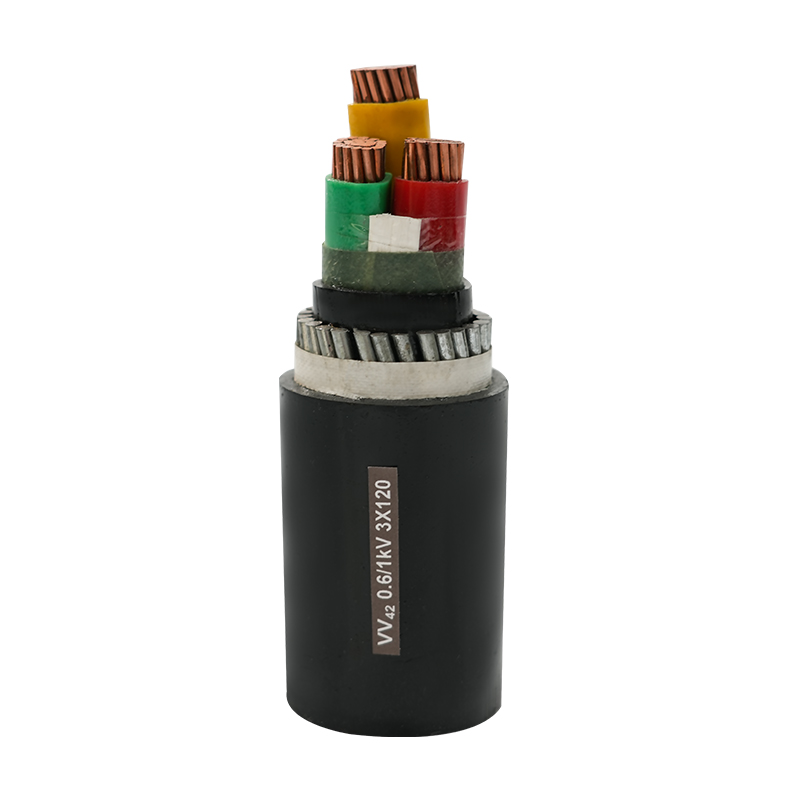
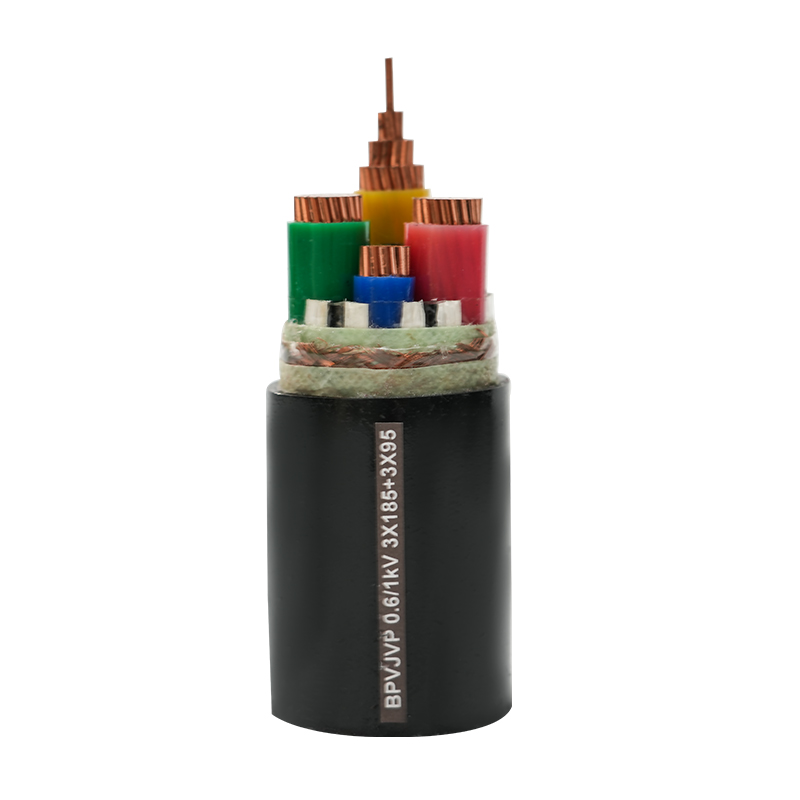
Key Components and Construction
Conductor
- Material: Typically annealed copper or aluminum for excellent conductivity.
- Construction: Can be stranded for flexibility or solid for fixed installations.
Insulation
- Material: Cross-Linked Polyethylene (XLPE).
- Function: Provides primary electrical insulation, possessing superior thermal and mechanical properties.
Inner Sheath/Bedding (Optional)
- Provides a protective layer between the core and the armor.
Armor (Optional)
- Galvanized steel wire or tape for mechanical protection.
Outer Sheath
- Material: PVC (Polyvinyl Chloride) or LSZH (Low Smoke Zero Halogen).
- Function: Offers environmental, chemical, and mechanical protection.
Top 5 Advantages of Choosing XLPE Insulation for Low Voltage Cables
The shift from traditional PVC to XLPE insulation is driven by several compelling technical advantages that translate into long-term system performance and cost savings.
1. Superior Thermal Performance
XLPE has a significantly higher maximum operating temperature compared to PVC. While PVC is typically rated at 70°C to 75°C, XLPE can continuously operate at 90°C. This allows for higher current-carrying capacity (ampacity) or safer operation under normal loads. For instance, an XLPE-insulated cable can carry more current than a PVC cable of the same conductor size without overheating.
2. Enhanced Mechanical Strength and Resistance
- XLPE exhibits excellent resistance to stress cracking and abrasion.
- It maintains flexibility at low temperatures better than PVC.
- Its overall toughness ensures better performance in demanding installations, such as direct burial or in cable trays.
3. Improved Electrical Properties
XLPE offers lower dielectric losses and a higher insulation resistance than PVC. This translates to greater efficiency in power transmission, especially over longer distances, as less energy is lost as heat within the insulation itself. The dielectric strength of XLPE is also superior, providing a higher safety margin against electrical breakdown.
4. Excellent Moisture and Chemical Resistance
The cross-linked structure makes XLPE highly resistant to water and moisture ingress, which is a common cause of insulation degradation and failure. It also resists a wide range of chemicals, oils, and solvents, making it suitable for industrial environments. For example, cables installed in chemical plants or wastewater treatment facilities benefit greatly from this property.
5. Long-Term Reliability and Lifecycle Cost
Although the initial cost of an XLPE cable might be slightly higher than a PVC equivalent, its extended lifespan, higher operational capacity, and reduced maintenance needs lead to a lower total cost of ownership. Its superior aging characteristics ensure stable performance over decades.
The following table summarizes the key comparison between XLPE and PVC insulation for low voltage power cables:
| Property | XLPE Insulation | PVC Insulation |
| Max Operating Temperature | 90°C | 70°C - 75°C |
| Thermal Aging Resistance | Excellent | Good |
| Dielectric Strength | High | Moderate |
| Moisture Resistance | Excellent | Good |
| Chemical Resistance | Excellent | Fair to Good |
| Flexibility at Low Temp | Better | Poor (becomes stiff) |
| Environmental Impact (If LSZH) | Low Smoke, Zero Halogen options available | Releases corrosive smoke when burning |
Critical Applications and Industry Uses
The robust properties of Low Voltage XLPE Power Cable make it the preferred choice across a diverse spectrum of industries. Its reliability is why it is specified for projects where downtime is not an option.
Building and Construction
In modern buildings, these cables form the electrical backbone. They are used for:
- Main power distribution from the service entrance to distribution boards.
- Sub-circuit wiring for lighting, sockets, and HVAC systems.
- Feeder cables for elevators and escalators.
- Underground service connections to utility grids, where their moisture resistance is critical.
Industrial and Manufacturing Plants
Factories and plants demand cables that can withstand harsh conditions. XLPE cables are ideal for:
- Power supply to heavy machinery, motors, and pumps.
- Installation in cable trays within corrosive or oily environments.
- Applications where XLPE power cable for outdoor installation is required due to exposure to sunlight, rain, and temperature fluctuations. The UV-stabilized outer sheaths, often made from specific polyethylene compounds, prevent degradation from solar radiation [1].
Renewable Energy Systems
The solar and wind energy sectors heavily rely on durable cables. Specifically, solar photovoltaic DC cable with XLPE insulation is crucial for connecting solar panels to inverters. These cables must handle DC current, resist high temperatures on rooftops, and be UV and weather resistant. Yangzhou Yaguang Cable Co., Ltd., with its specialization in solar cable production, leverages XLPE technology to create products that meet these exacting demands, backed by TUV and UL certifications.
Infrastructure and Utilities
Public infrastructure projects prioritize safety and longevity:
- Tunnel and subway lighting/power systems.
- Water treatment and pumping stations.
- Street lighting and traffic signal networks.
For projects like underground power distribution cable specifications, engineers must consider soil conditions, potential for rodent attack, and long-term water immersion. XLPE-insulated, armored cables with a robust PVC or LSZH outer sheath are commonly specified for such direct-burial applications [2].
Marine and Offshore
In marine applications, cables face saltwater, constant vibration, and stringent safety rules. Marine grade low voltage cable standards like those set by ABS, BV, and CCS require exceptional fire resistance, low smoke toxicity, and circuit integrity. XLPE insulation, combined with LSZH sheathing, is often part of compliant cable constructions for shipboard power, lighting, and control circuits.
How to Select the Right Low Voltage XLPE Cable: A Buyer's Guide
Choosing the correct cable involves more than just matching the voltage rating. A systematic approach ensures optimal performance and compliance. Key considerations include determining the correct ampacity rating for low voltage XLPE cables, which dictates the cable's current-carrying capability under specific installation conditions.
Step 1: Define Electrical Parameters
- Voltage Rating (Uo/U): Ensure it matches or exceeds the system voltage (e.g., 0.6/1kV).
- Current Rating (Ampacity): Calculate the maximum continuous current required. Refer to standards like IEC 60502 or NEC tables, considering factors like ambient temperature and grouping with other cables.
- Short-Circuit Rating: The cable must withstand the thermal stress of a fault current for a specified duration.
Step 2: Assess Installation Environment
- Indoor vs. Outdoor: For outdoor use, specify UV-resistant sheathing.
- Installation Method: Will it be installed in conduit, cable tray, ladder, or directly buried? This affects mechanical protection needs and derating factors.
- Environmental Threats: Presence of chemicals, oils, moisture, or mechanical impact may necessitate special sheaths (e.g., PVC for general chemical resistance) or armor.
Step 3: Choose Construction Features
- Conductor Material & Size: Copper for higher conductivity and smaller diameter; aluminum for cost-effective, lighter weight solutions for larger sizes.
- Armor: Steel Wire Armor (SWA) or Steel Tape Armor (STA) for mechanical protection in direct burial or exposed runs.
- Sheath Material: PVC for general durability and cost; LSZH for enhanced safety in confined public spaces (stations, ships, buildings) as it limits smoke and toxic fumes in case of fire.
Step 4: Verify Standards and Certification
Always insist on cables manufactured to international standards (IEC, BS, GB) and bearing independent certification marks. Reputable manufacturers like Yangzhou Yaguang Cable Co., Ltd. uphold certifications such as ISO 9001 for quality management and product-specific approvals from UL, TUV, ABS, BV, and CCS. These are non-negotiable for ensuring global project acceptance and long-term reliability. Their capability to produce over 10,000 specifications to international standards or custom OEM requirements underscores the importance of partnering with a technically adept supplier.
Installation Best Practices and Maintenance Tips
Proper handling and installation are critical to realizing the full performance potential of XLPE cables.
Installation Do's and Don'ts
- Do: Check the minimum bending radius before installation. For multi-core armored cables, it is typically 12 times the overall cable diameter.
- Do: Use appropriate pulling techniques and lubricants to avoid damaging the sheath during conduit pulls.
- Don't: Install cables in standing water. While XLPE resists moisture, terminations must be kept dry.
- Don't: Exceed the recommended pulling tension, which can stretch conductors or deform insulation.
Termination and Splicing
Proper termination is vital. Use connectors and lugs rated for the cable's material (copper or aluminum) and ensure they are properly crimped or compressed. For outdoor or wet locations, use waterproof heat-shrink kits or resin-filled boxes to seal the connection against moisture ingress, a common failure point.
Routine Maintenance and Inspection
- Visually inspect exposed cable runs for signs of sheath damage, corrosion of armor, or overheating.
- Use thermal imaging cameras periodically to identify "hot spots" at connections or sections under overload.
- Keep cable trenches and trays clear of debris and ensure ventilation is not blocked for cables installed in conduits or ducts.
Frequently Asked Questions (FAQs)
1. What is the main difference between XLPE and PVC power cables?
The core difference lies in the insulation material. XLPE (Cross-Linked Polyethylene) offers a higher operating temperature (90°C), better resistance to heat, moisture, and chemicals, and superior electrical properties compared to PVC (Polyvinyl Chloride), which typically operates at 70-75°C. XLPE cables generally provide a longer service life and higher current capacity for the same conductor size.
2. Can Low Voltage XLPE Cable be used for direct burial?
Yes, it is an excellent choice for direct burial. The XLPE insulation's excellent moisture resistance, combined with an armored construction (e.g., Steel Wire Armored) and a robust outer sheath (like PVC), provides comprehensive protection against soil moisture, chemicals, and mechanical damage from backfill or rodent activity.
3. Is an LSZH sheath necessary for all XLPE cables?
No, it is application-dependent. An LSZH (Low Smoke Zero Halogen) sheath is crucial for installations in confined public spaces like airports, subways, ships, and high-rise buildings. In case of fire, it minimizes the emission of dense, toxic, and corrosive smoke, aiding safe evacuation and reducing equipment damage. For general industrial or outdoor use, a standard PVC sheath is often sufficient and more cost-effective.
4. How do I calculate the correct cable size (ampacity) for my project?
Cable ampacity depends on multiple factors: the load current, ambient temperature, installation method (in air, conduit, buried), and grouping with other cables. It is essential to consult the relevant standard (e.g., IEC 60502-1, NEC 310) or use calculation software. Always involve a qualified electrical engineer for this critical step to ensure safety and prevent overheating.
5. Why are certifications like UL, TUV, and ABS important for these cables?
These are independent third-party certifications that verify the cable product has been rigorously tested and conforms to specific safety, performance, and construction standards (e.g., UL for North America, TUV for Europe, ABS for marine vessels). They are not just logos; they provide assurance of quality, reliability, and regulatory compliance, which is vital for project approvals, insurance, and overall system safety.
Low Voltage XLPE Power Cable represents a technologically advanced solution that balances performance, durability, and safety. Its advantages over traditional materials make it indispensable for a wide array of applications, from urban infrastructure and industrial complexes to renewable energy projects and marine vessels. Success lies in understanding the specific requirements of your project—from electrical load and installation environment to necessary certifications—and selecting a cable that meets all criteria. Partnering with an experienced and certified manufacturer, such as Yangzhou Yaguang Cable Co., Ltd., which brings over 25 years of dedicated cable manufacturing expertise and a commitment to international standards, ensures access to products that deliver reliable performance, contributing to the safe and efficient operation of electrical systems worldwide.
References
[1] J. P. Jones and L. M. Smith, "Effects of Ultraviolet Radiation on Polymeric Cable Sheathing Materials," *Journal of Materials in Electrical Engineering*, vol. 45, no. 3, pp. 112-120, 2018.
[2] International Electrotechnical Commission, "IEC 60502-1: Power cables with extruded insulation and their accessories for rated voltages from 1 kV (Um = 1,2 kV) up to 30 kV (Um = 36 kV) – Part 1: Cables for rated voltages of 1 kV (Um = 1,2 kV) and 3 kV (Um = 3,6 kV)," 2021.
 Email:
 Telephone:+86-0514-85086085
 FAX:+86-0514-85086085
 Phone:+86-15861389306