 Email:
  Telephone: +86-0514-85086085
 FAX: +86-0514-85086085
 English
 中文简体
中文简体 русский
 عربى
عربى
In the demanding environment of modern aviation, every component must perform with unwavering reliability under extreme conditions. Among these critical components, high temperature aircraft cable stands out as a vital lifeline, transmitting power, data, and signals in areas exposed to intense heat from engines, auxiliary power units (APUs), and environmental control systems. Selecting the appropriate cable is not merely a matter of specification but a fundamental aspect of aviation safety and system integrity. This guide provides an in-depth exploration of high-temperature aerospace wiring, offering engineers, procurement specialists, and aviation professionals the knowledge needed to make informed decisions, ensuring compliance, durability, and peak performance.
Content
- 1 Understanding High Temperature Aircraft Cable: More Than Just Heat Resistance
- 2 Key Standards and Certifications for Aerospace Cables
- 3 Selecting the Right Cable: A Detailed Comparison
- 4 Best Practices for Installation and Maintenance
- 5 FAQ: Frequently Asked Questions
- 5.1 1. What is the primary difference between commercial and military-grade high temperature aircraft cable?
- 5.2 2. How do I determine the correct temperature rating for my application?
- 5.3 3. Can I use a standard industrial high-temperature cable in an aircraft?
- 5.4 4. Why is arc resistance important, and what makes an arc resistant aviation cable different?
- 5.5 5. What are the signs that a high-temperature cable needs replacement?
- 6
- 7 References
Understanding High Temperature Aircraft Cable: More Than Just Heat Resistance
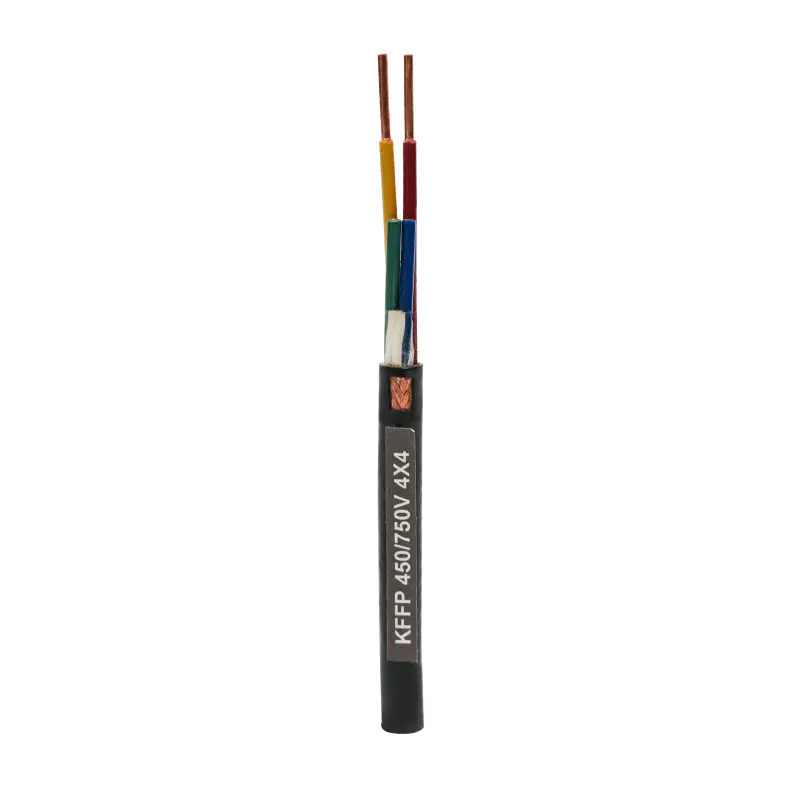
High temperature aircraft cable is engineered to maintain its structural integrity and electrical properties when continuously or intermittently exposed to elevated temperatures, often ranging from 150°C to over 1000°C. Its construction involves specialized materials that resist thermal degradation, preventing insulation breakdown, conductor oxidation, and jacket embrittlement that could lead to catastrophic failures.
Core Construction and Materials
- Conductor: Typically high-purity copper or copper alloys (like silver-plated copper) for excellent conductivity. Nickel-plated copper is often used for higher temperature ranges to prevent oxidation.
- Insulation: The primary barrier, made from polymers like PTFE (Teflon), ETFE, or advanced silicones. For extreme heat, mineral-insulated (MI) cables or ceramic-based insulations are employed.
- Jacket/Sheath: Provides mechanical and environmental protection. Materials include cross-linked polymers, fluoropolymers, or metal braids for added durability and fire resistance.
Why Temperature Rating is Critical
The temperature rating of a cable is its certified maximum continuous operating temperature. Operating beyond this rating accelerates aging, leading to:
- Insulation cracking and flaking
- Increased brittleness and loss of flexibility
- Reduced dielectric strength, raising short-circuit risks
- Conductor oxidation, increasing resistance and voltage drop
Selecting a cable with a rating exceeding the application's maximum expected temperature is a key safety margin. For instance, a high temperature PTFE insulated wire is a common choice for many demanding aerospace applications due to its wide operational range and chemical inertness.
Key Standards and Certifications for Aerospace Cables
Compliance with international standards is non-negotiable in aviation. These standards ensure cables meet rigorous performance benchmarks for safety, reliability, and interoperability.
Major Governing Standards
- AS/EN/NAS 3155: This is a foundational standard for cables with PTFE insulation, specifying performance requirements for hook-up wire used in aerospace vehicles.
- SAE AS22759: Covers insulated wire, primarily with ETFE insulation, used in aerospace electrical systems.
- MIL-W-22759 / MIL-W-25038: U.S. military specifications that have evolved into industry benchmarks for aerospace wire, detailing construction, testing, and performance.
Manufacturers like Yangzhou Yaguang Cable Co., Ltd., founded in 1998 and recognized as a specialized and sophisticated enterprise, understand the critical importance of these standards. Holding certifications such as AS9100 (the aerospace quality management system based on ISO 9001), along with ISO 14001 and ISO 45001, demonstrates a commitment to systemic excellence. Furthermore, product certifications from bodies like UL, TUV, CCS, ABS, and BV for specific cable types provide third-party validation of performance claims, which is crucial for suppliers to global aerospace leaders.
Selecting the Right Cable: A Detailed Comparison
Choosing between different types of high temperature aircraft cable involves balancing factors like temperature range, weight, flexibility, chemical resistance, and cost. Here is a comparative analysis presented in two formats.
For applications like wing and tail surface wiring, where weight and flexibility are paramount, a lightweight aircraft wiring solution is essential. Conversely, for engine bay proximity, aircraft engine compartment wiring demands unparalleled heat and fire resistance.
High-Temperature Aerospace Cable Comparison
| Material Type | Typical Temp. Range | Key Advantages | Ideal Applications | Considerations |
|---|---|---|---|---|
| PTFE (Teflon) | -65°C to +260°C | Excellent chemical resistance, low friction, good dielectric properties. | General avionics, instrumentation, aircraft instrumentation cable runs. | Can be heavier than some alternatives; requires careful handling during installation. |
| ETFE (Tefzel) | -65°C to +150°C | Excellent mechanical toughness, radiation resistance, lighter than PTFE. | Wiring harnesses in cabin areas, control systems. | Lower continuous temperature ceiling than PTFE. |
| Silicone Rubber | -60°C to +200°C | Superior flexibility, excellent flame retardancy. | Areas requiring constant flex, temporary repairs. | Lower abrasion resistance; can be susceptible to cuts. |
| Mineral Insulated (MI) | Up to 1000°C+ | Extreme fire resistance, no toxic smoke emission. | Critical fire safety circuits, emergency systems, fire resistant aircraft cable for survivability. | Very rigid, challenging to install and terminate. |
Focus on Specific High-Performance Needs
1. Extreme Environment Wiring
- Challenge: Proximity to engines, exhausts, or de-icing systems where temperatures spike.
- Solution: Cables with dual-layer insulation (e.g., PTFE with a glass braid), metal-clad cables, or MI cables. The focus is on aircraft engine compartment wiring that can withstand not just heat but also fluids and vibration.
2. Weight-Sensitive Applications
- Challenge: Reducing overall aircraft weight to improve fuel efficiency.
- Solution: Thin-wall insulations (e.g., thin-wall ETFE), smaller gauge conductors where permissible, and optimized cable designs. This is the domain of specialized lightweight aircraft wiring solutions.
Best Practices for Installation and Maintenance
Even the highest-quality cable will fail if installed or maintained improperly. Adherence to best practices extends service life and ensures safety.
Installation Guidelines
- Bending Radius: Always adhere to the manufacturer's specified minimum bending radius to prevent internal conductor or insulation damage.
- Chafing Protection: Use grommets, loom, or conduit in areas where cables pass through bulkheads or may rub against structures. This is especially critical for arc resistant aviation cable to maintain its protective jacket integrity.
- Separation from Heat Sources: Route cables away from hot ducts and pipes. Use heat shields or sleeves where separation is insufficient.
- Secure Bundling: Use aerospace-grade tie-wraps or lacing cord to secure harnesses, avoiding overtightening.
Inspection and Maintenance Regime
- Visual Inspections: Regularly check for insulation cracking, discoloration (a sign of overheating), chafing, or contamination.
- Continuity and Insulation Resistance (IR) Testing: Perform periodic electrical tests to identify degradation before it causes a system failure.
- Documentation: Maintain accurate as-built wiring diagrams and records of any modifications or repairs. For complex systems, such as those requiring aircraft instrumentation cable, this is vital for troubleshooting.
FAQ: Frequently Asked Questions
1. What is the primary difference between commercial and military-grade high temperature aircraft cable?
While both must meet high standards, military-grade cables (often built to MIL specifications) typically undergo more stringent and extensive testing for parameters like flame spread, smoke density, toxicity, and performance under extreme mechanical stress and wider temperature ranges. Commercial aviation cables follow standards like AS/EN, which are also rigorous but may have different emphasis based on application.
2. How do I determine the correct temperature rating for my application?
Identify the maximum ambient temperature the cable will be exposed to in its installed location. Then, add a safety margin (typically 20-25°C) and consider any heat generated by the current flowing through the conductor itself. Always select a cable whose rated temperature exceeds this total calculated temperature.
3. Can I use a standard industrial high-temperature cable in an aircraft?
No. Aircraft cables must comply with specific aerospace standards (AS, EN, MIL) that encompass not just temperature but also weight, flame resistance, smoke emission, toxicity, and vibration resistance. Using non-compliant cable poses a significant safety risk and violates aviation regulations.
4. Why is arc resistance important, and what makes an arc resistant aviation cable different?
Electrical arcs generate intense, localized heat that can instantly ignite insulation. Arc-resistant cables are designed with materials that resist arc tracking (the formation of a conductive carbon path) and are self-extinguishing. This is a critical feature in areas with high potential for short circuits or where wires are closely bundled.
5. What are the signs that a high-temperature cable needs replacement?
Key warning signs include: visible cracking, flaking, or hardening of the insulation; discoloration (darkening or charring); a sticky or tacky insulation surface; and any exposed conductor. Any of these defects necessitate immediate inspection and likely replacement.
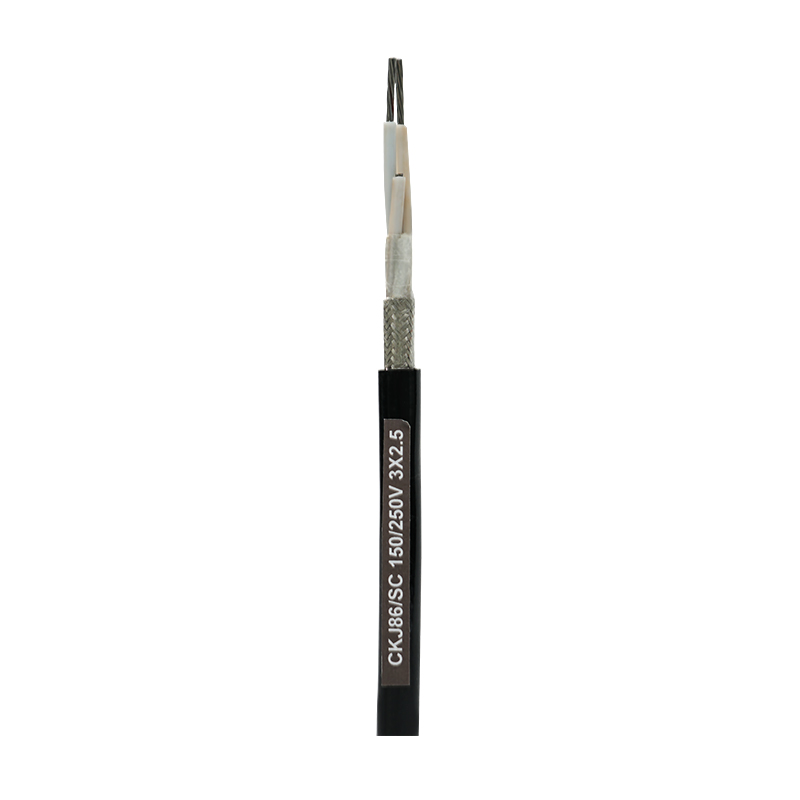
Specifying and implementing the correct high temperature aircraft cable is a complex but critical engineering task that directly impacts the safety, reliability, and efficiency of an aircraft. From understanding the nuances of material science behind a high temperature PTFE insulated wire to recognizing the life-saving role of fire resistant aircraft cable, every detail matters. It requires a careful analysis of the operational environment, adherence to stringent international standards, and a partnership with a certified and experienced manufacturer.
With over 25 years of dedicated focus on cable manufacturing, Yangzhou Yaguang Cable Co., Ltd. embodies this expertise. Operating from a 56,000 square meter facility with 480 sets of modern production and testing equipment, the company specializes in producing cables to international standards, including those suitable for demanding aerospace applications. Their commitment to reliable quality, supported by a suite of system and product certifications (ISO 9001, UL, TUV, CCS, etc.), and their proven track record as a qualified supplier to major global entities, positions them as a knowledgeable partner capable of supporting the aviation industry's need for robust, high-performance wiring solutions. By following the guidelines outlined in this article and collaborating with expert manufacturers, aviation professionals can ensure their electrical systems meet the highest benchmarks of performance and safety.
References
- SAE International. (2019).Aerospace Standard AS22759: Wire, Electrical, Fluoropolymer-Insulated, Copper or Copper Alloy Conductor. Warrendale, PA: SAE International.
- Department of Defense. (2012).Detail Specification MIL-DTL-22759: Wire, Electrical, Fluoropolymer-Insulated, Copper or Copper Alloy Conductor, General Specification for. Washington, D.C.: DOD.
- European Committee for Electrotechnical Standardization (CENELEC). (2018).EN 3155: Aerospace series - Electrical cables, installation cables, with operating temperatures between -65 °C and 260 °C. Brussels: CENELEC.
- Katz, H. W. (2018).High Temperature Electronics and Wiring for Aerospace Applications. In Proceedings of the IEEE International Conference on Environmental Systems. [1]
- Yangzhou Yaguang Cable Co., Ltd. (2023).Corporate Capability Profile. Yangzhou, China.
 Email:
 Telephone:+86-0514-85086085
 FAX:+86-0514-85086085
 Phone:+86-15861389306