 Email:
  Telephone: +86-0514-85086085
 FAX: +86-0514-85086085
 English
 中文简体
中文简体 русский
 عربى
عربى
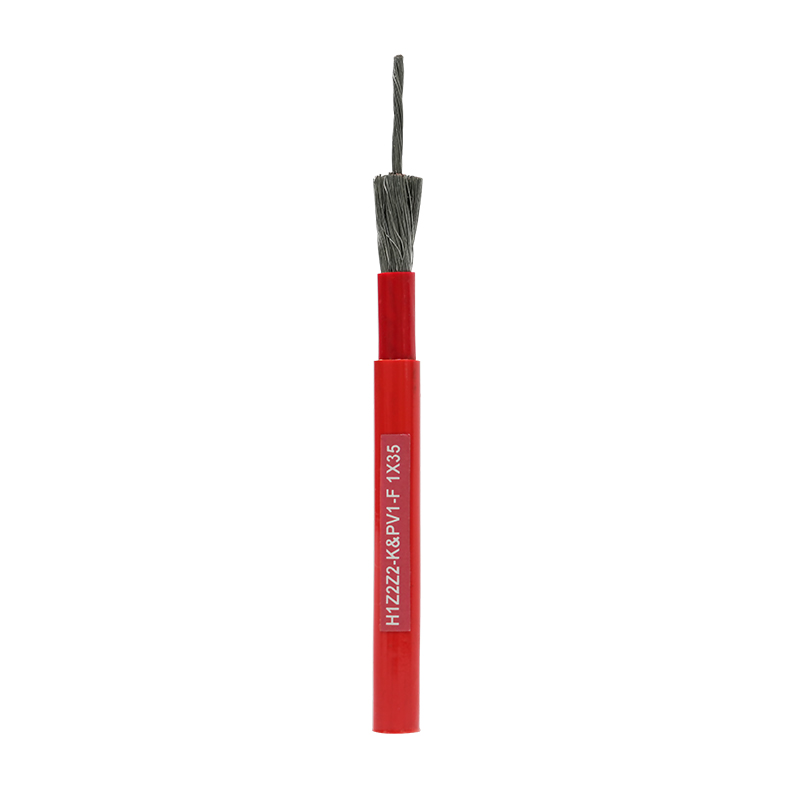
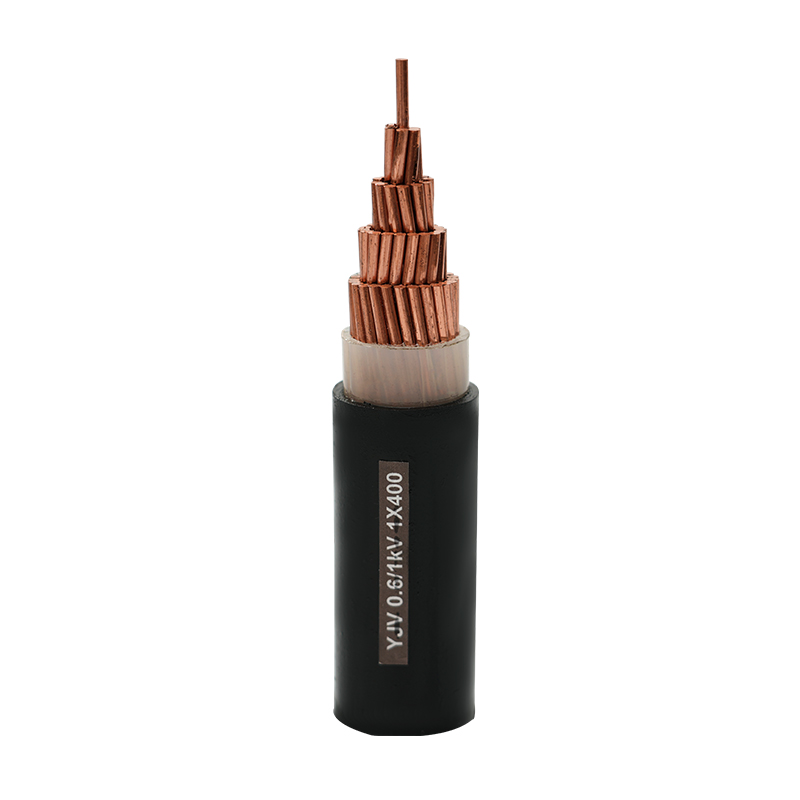
When it comes to wiring a home for electricity, the choice of material is a foundational decision that impacts safety, efficiency, and long-term value. Among the options available, copper building wire has remained the gold standard for residential construction for decades. Its widespread adoption is not a matter of tradition but a testament to its superior physical and electrical properties. This article delves into the specific advantages of using copper wiring in homes, addressing common installer and homeowner considerations, and exploring why it continues to be the preferred choice despite the presence of alternatives. Understanding these benefits is crucial for anyone involved in building, renovating, or maintaining a modern residence, ensuring that the electrical infrastructure is reliable, safe, and built to last.
Content
- 1 Superior Electrical Conductivity and Efficiency
- 2 Exceptional Durability and Long-Term Reliability
- 3 Enhanced Safety Features for Homeowners
- 4
- 5 Cost-Effectiveness Over the Life of the Home
- 6 FAQ
- 6.1 Is copper wire still the best choice for new home construction?
- 6.2 What are the main disadvantages of using aluminum wire instead of copper?
- 6.3 How long does copper wiring typically last in a house?
- 6.4 Can I mix copper and aluminum wire in my home?
- 6.5 What gauge (thickness) of copper wire is used for standard home outlets?
Superior Electrical Conductivity and Efficiency
The primary function of any electrical wire is to conduct current with minimal loss, and this is where copper building wire truly excels. Copper possesses one of the highest electrical conductivity ratings among non-precious metals. This inherent property means that for a given wire size (gauge), copper can carry more current with less resistance compared to other common materials like aluminum. Reduced resistance translates directly into higher efficiency; less energy is wasted as heat within the wires themselves. This efficiency gain, while seemingly small on a per-circuit basis, aggregates across an entire home's electrical system, contributing to lower utility bills over the decades-long lifespan of the wiring. Furthermore, excellent conductivity ensures stable voltage delivery to outlets and appliances, preventing issues like dimming lights or underperforming motors that can occur with higher-resistance materials. This reliability is paramount for sensitive modern electronics and is a key reason why electrical codes and standards heavily favor copper wire for home electrical systems.
- Lower Resistive Losses: Minimizes energy wasted as heat, improving overall home energy efficiency.
- Stable Voltage Delivery: Provides consistent power to appliances, protecting sensitive electronics.
- Code Compliance: Meets and often exceeds the stringent requirements of the National Electrical Code (NEC) for branch circuit wiring.
- Future-Proofing: Handles the increasing electrical loads of modern homes with high-wattage appliances and EV chargers.
Copper vs. Aluminum: A Conductivity Comparison
To fully appreciate copper's performance, a comparison with aluminum, its main competitor in building wire history, is instructive. While aluminum is lighter and less expensive, its electrical conductivity is only about 61% that of copper. This fundamental difference necessitates the use of a larger diameter aluminum wire to carry the same current as a copper wire, which can complicate installation in compact electrical boxes and conduits. More critically, aluminum is more susceptible to thermal expansion and contraction, which can lead to loose connections over time—a known fire hazard. The installation of copper building wire mitigates these risks, offering a more stable and secure connection. The table below summarizes the key differences that impact residential use.
| Property | Copper Building Wire | Aluminum Building Wire |
| Electrical Conductivity | ~100% (Benchmark) | ~61% of Copper |
| Required Wire Gauge for 15A Circuit | 14 AWG | 12 AWG (typically) |
| Connection Stability | Excellent, low creep | Requires special fittings/compound |
| Oxidation Resistance | Forms a conductive oxide | Forms a resistive oxide |
| Long-Term Reliability in Terminations | High | Requires meticulous maintenance |
Exceptional Durability and Long-Term Reliability
The durability of copper building wire is a cornerstone of its value proposition in residential construction. Once properly installed inside walls, ceilings, and floors, it is designed to last for the lifetime of the home—often 50 years or more. Copper has excellent tensile strength, meaning it can withstand the physical stresses of pulling through conduits and being fastened without stretching or breaking easily. Its resistance to corrosion is another vital attribute; unlike some metals, copper forms a protective oxide layer that remains conductive, preventing the degradation of connection points over time. This resilience translates into a system less prone to failures, hot spots, and the need for costly repairs down the line. For homeowners, this means peace of mind knowing the hidden electrical skeleton of their house is robust. For builders, it reduces callbacks and warranty issues. This long-term reliability is a critical factor when considering copper wire lifespan in houses, making it a wise investment despite a higher initial material cost.
- High Tensile Strength: Withstands installation pulls and physical stress without damage.
- Corrosion Resistance: Maintains integrity in various environmental conditions within a home.
- Thermal Stability: Performs consistently across a wide range of temperatures.
- Minimal Maintenance: Does not require re-tightening of connections like some alternatives.
Understanding Wire Insulation Types for Copper
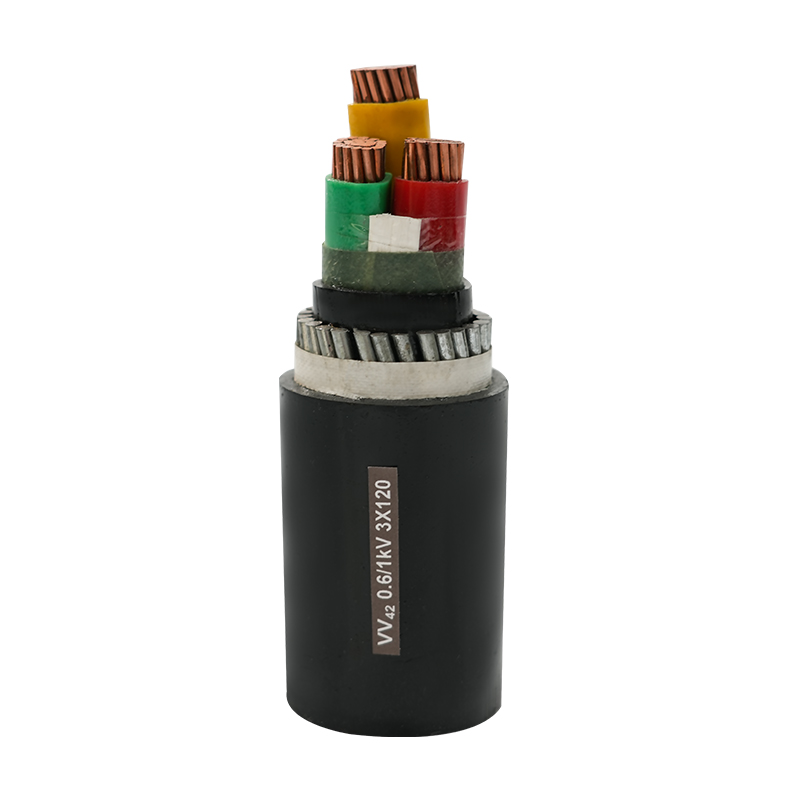
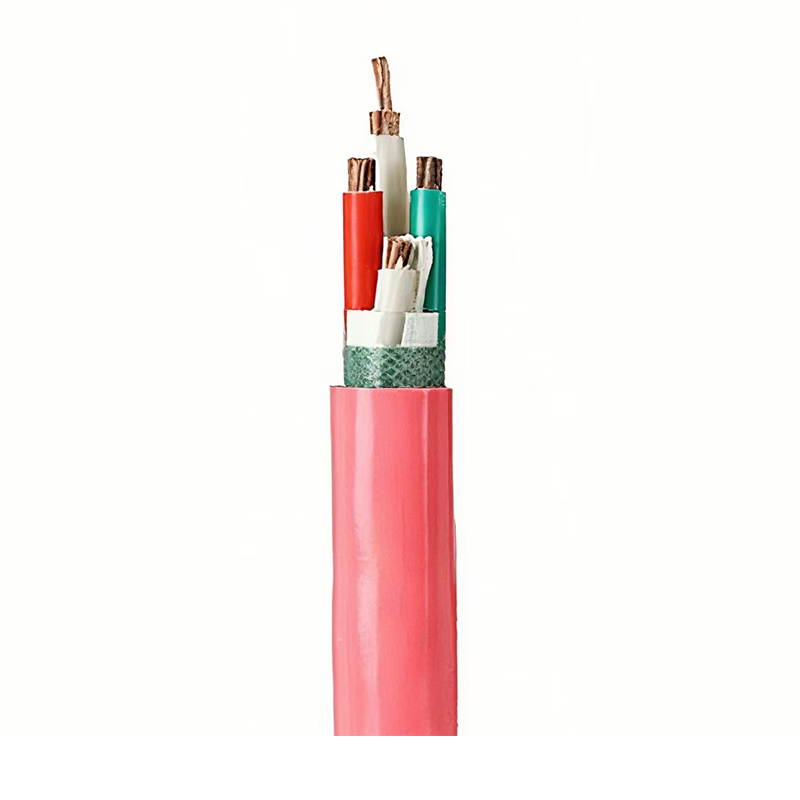
While the copper conductor is the star, its insulation is the indispensable co-star ensuring safety and functionality. Modern copper building wire is sheathed in various types of insulation, each suited for specific applications within a home. The most common type for residential branch circuits is NM-B (Non-Metallic Sheathed Cable), often called Romex, which contains insulated copper conductors within a plastic jacket. For wet locations or conduits, individual THHN/THWN-2 insulated wires are used. The insulation material—typically PVC, nylon, or cross-linked polyethylene (XLP)—must resist heat, moisture, chemicals, and physical abrasion. Choosing the correct types of copper wire for house wiring involves matching the insulation rating to the installation environment, a decision best made by a qualified electrician adhering to NEC guidelines.
| Insulation Type | Common Abbreviation | Primary Use in Residential Construction |
| Non-Metallic Sheathed | NM-B | Dry, interior wall and ceiling circuits (most common). |
| Thermoplastic High Heat-resistant Nylon | THHN | In conduit for dry and damp locations. |
| Thermoplastic Heat & Water Resistant Nylon | THWN-2 | In conduit for wet locations and underground (if in conduit). |
| Underground Feeder | UF-B | Direct burial for landscape lighting, outbuildings. |
| Service Entrance Cable | SER | Overhead or underground service entrance from utility. |
Enhanced Safety Features for Homeowners
Safety is the non-negotiable priority in any electrical installation, and copper building wire provides several inherent safety advantages. Its high conductivity and connection integrity directly reduce the risk of arcing and overheating at termination points—common ignition sources for electrical fires. Copper's malleability allows it to form a tight, gas-tight connection with devices like outlets and switches, maintaining low resistance over time. Furthermore, copper is non-magnetic, which simplifies the design and function of arc-fault circuit interrupters (AFCIs) and ground-fault circuit interrupters (GFCIs)—critical modern safety devices required by code in many home areas. The physical stability of copper also means it is less likely to suffer from "cold creep" or stress relaxation that can loosen connections. When evaluating copper vs aluminum wire safety in a historical context, the improved track record of properly installed copper systems is a significant factor in its continued dominance for in-wall residential circuits.
- Fire Risk Reduction: Lower resistance and stable connections minimize heat generation at terminals.
- Compatibility with Safety Devices: Works flawlessly with AFCI/GFCI breakers for enhanced protection.
- Reliable Grounding: Copper is the standard material for equipment grounding conductors (EGC), ensuring effective fault current paths.
- Predictable Performance: Well-understood behavior under overload conditions aids in proper circuit protection design.
Cost-Effectiveness Over the Life of the Home
The initial purchase price of copper building wire is higher than that of aluminum wire. However, a true cost analysis must consider the total cost of ownership over the 50+ year lifespan of a home's wiring. The durability and minimal maintenance needs of copper eliminate the costs associated with troubleshooting failed connections, repairing damaged circuits, or the catastrophic expense of fire damage. Its superior efficiency translates to ongoing, albeit small, savings on electricity bills. Furthermore, homes wired with copper are often viewed more favorably by home inspectors and potential buyers, potentially increasing resale value. The installation process for copper, while requiring care, is generally more straightforward for electricians, potentially reducing labor time compared to working with larger-gauge or more temperamental materials. When considering the cost of copper electrical wire for new construction, it is essential to frame it as a long-term investment in the home's safety, functionality, and value, rather than merely an upfront line item.
- Reduced Lifetime Maintenance: Virtually no need for connection re-tightening or circuit repairs under normal conditions.
- Energy Savings: Lower resistive losses contribute to marginal but lifelong operating cost savings.
- Property Value: A known, high-quality standard that is attractive in the real estate market.
- Insurance Considerations: Some insurers may view copper-wired homes as lower risk.
Installation Best Practices for Optimal Performance
To fully realize the benefits of copper building wire, it must be installed correctly. This involves more than just following code; it's about employing techniques that ensure longevity. Key practices include using the correct wire strippers to avoid nicking the conductor, making clean, secure connections under appropriately rated terminals (using torque screwdrivers where specified), and providing adequate cable support to prevent strain. For those undertaking a project, understanding these practices is part of how to install copper wire in a new house effectively. It is strongly recommended that all electrical work be performed or overseen by a licensed electrician who can ensure these best practices are met, guaranteeing the system's safety and performance for decades.
- Proper Stripping: Avoid conductor damage to maintain current-carrying capacity.
- Secure Terminations: Tight connections prevent arcing and overheating.
- Adequate Derating: Account for ambient temperature and conduit fill to prevent overheating.
- Circuit Labeling: Clear labeling at the panel aids future maintenance and troubleshooting.
FAQ
Is copper wire still the best choice for new home construction?
Yes, for the vast majority of residential applications, copper building wire remains the best and most recommended choice. Its unmatched combination of conductivity, durability, safety, and long-term reliability makes it the benchmark material. While alternatives exist, copper's proven performance history, compliance with all electrical codes, and ease of installation for qualified electricians solidify its position as the optimal wire for ensuring a safe and efficient electrical system that will last the lifetime of the home.
What are the main disadvantages of using aluminum wire instead of copper?
The primary disadvantages of aluminum building wire for branch circuits (outlets, switches, lights) revolve around its material properties. It has higher electrical resistance, requiring larger wire sizes. It is more susceptible to expansion and contraction with heat cycles, which can loosen connections over time—a significant fire hazard if not installed with special connectors and anti-oxidant paste. Its oxide is non-conductive, complicating connections. Due to these historical safety concerns, aluminum is generally not used for home electrical systems branch wiring today, though it is sometimes used for large service entrance cables where proper installation practices are strictly followed.
How long does copper wiring typically last in a house?
Properly installed copper wire lifespan in houses is exceptionally long, often exceeding 50 to 70 years—essentially the functional life of the building itself. The copper conductor itself does not degrade under normal conditions. The limiting factor is typically the insulation, which can become brittle over many decades or if subjected to extreme heat. Modern insulation materials like THHN and the sheathing on NM-B cable are designed for long-term stability. With a well-designed electrical panel and proper circuit protection, the copper wiring system should not require replacement as part of routine home maintenance.
Can I mix copper and aluminum wire in my home?
Mixing copper and aluminum conductors should never be done by directly connecting them together. The different physical properties, especially the tendency for aluminum to oxidize and expand, can create a dangerous, high-resistance connection at the junction. If a connection between the two materials is necessary (e.g., at a service panel upgrade), it must be done using UL-listed connectors specifically designed and rated for the purpose, such as Al/Cu (Aluminum/Copper) lug connectors or special crimp sleeves. This work must be performed by a licensed electrician to ensure it meets code and safety standards, addressing the critical copper vs aluminum wire safety concerns.
What gauge (thickness) of copper wire is used for standard home outlets?
For standard 15-amp branch circuits that power most wall outlets and lighting in a home, 14-gauge copper wire is typically used, housed within NM-B cable. For 20-amp circuits, which are required in kitchens, bathrooms, garages, and for some appliance outlets, 12-gauge copper wire is the standard. These gauges are specified by the National Electrical Code (NEC) to ensure the wire can safely carry the circuit's maximum current without overheating. Understanding the correct types of copper wire for house wiring, including gauge, is fundamental to a safe installation.
 Email:
 Telephone:+86-0514-85086085
 FAX:+86-0514-85086085
 Phone:+86-15861389306