 Email:
  Telephone: +86-0514-85086085
 FAX: +86-0514-85086085
 English
 中文简体
中文简体 русский
 عربى
عربى
Content
What Is a Power Cable — Definition and Core Construction
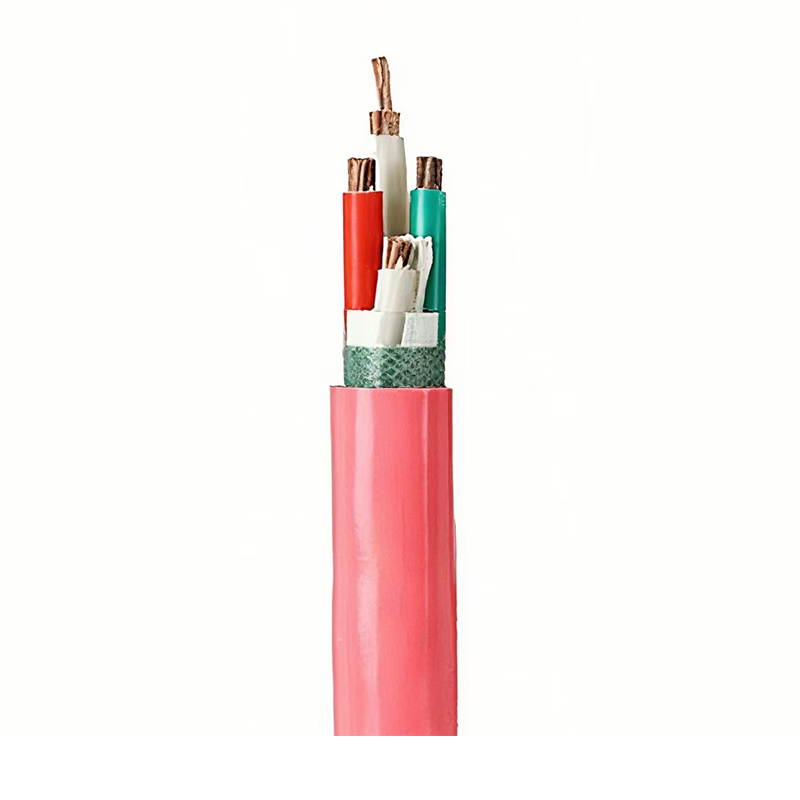
A power cable is an assembly of one or more insulated electrical conductors enclosed within a protective outer jacket, designed to transmit electrical energy from a source to a load. Unlike signal or data cables — which carry low-level voltages and currents for information transmission — power cables are engineered specifically to handle the current-carrying capacity, voltage stress, and thermal conditions associated with electrical power distribution and equipment supply.
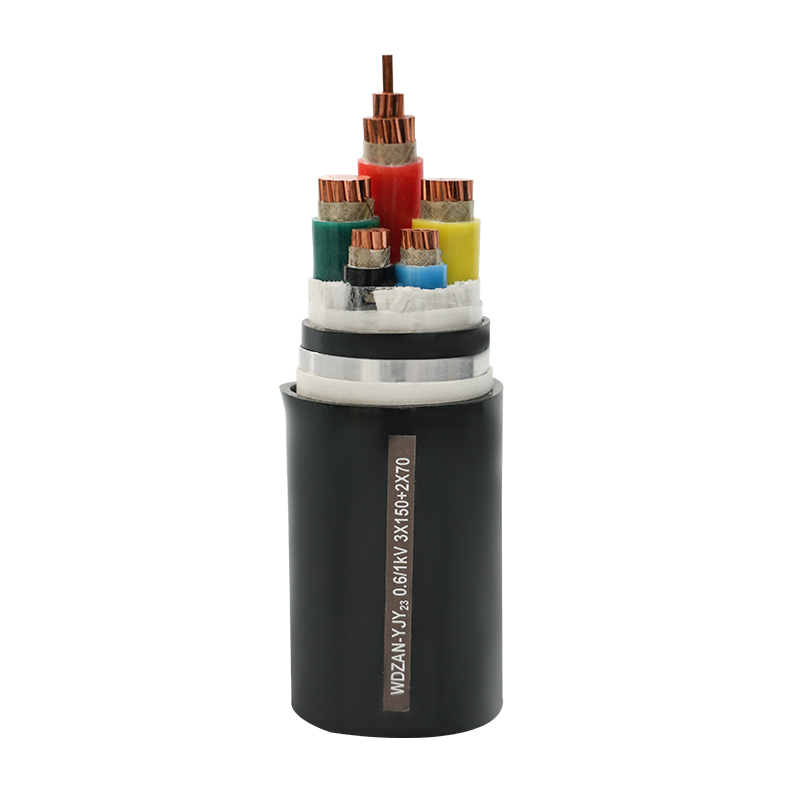
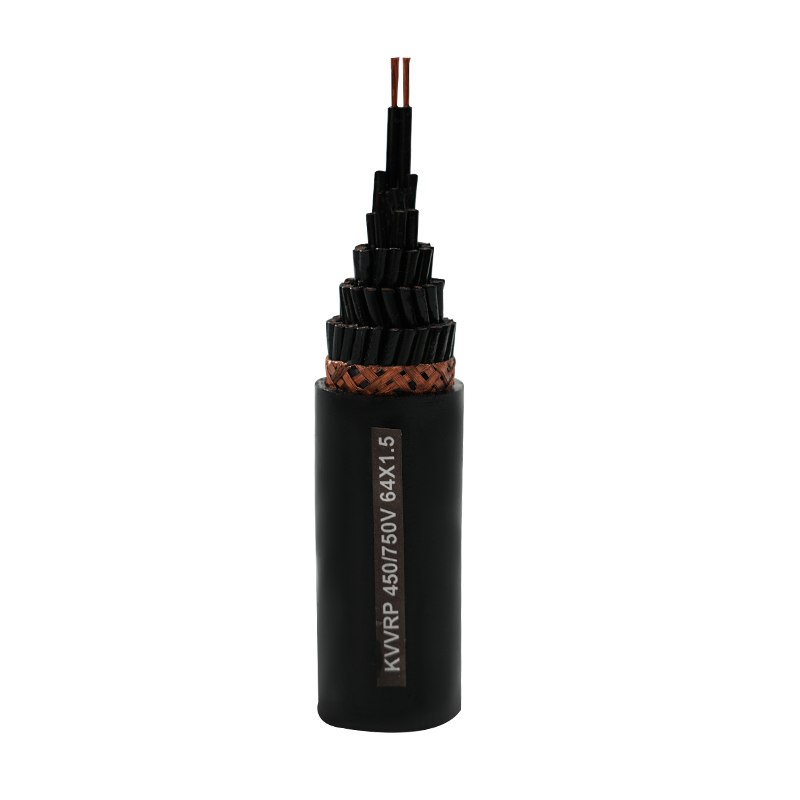
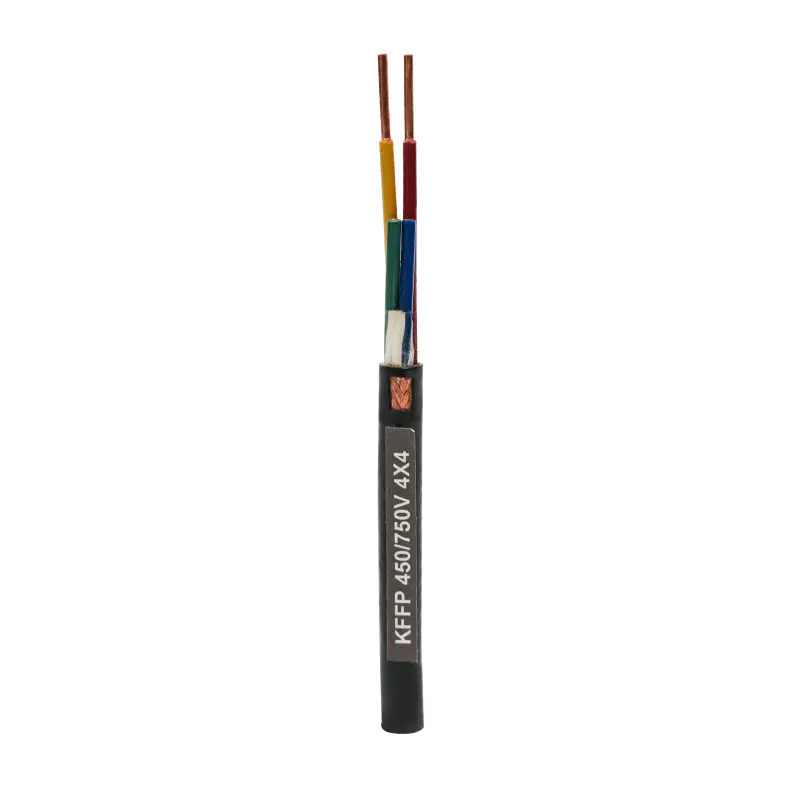
The fundamental construction of a power cable consists of three functional layers. The conductor — typically stranded or solid copper or aluminum — provides the low-resistance current path. The insulation layer surrounding the conductor withstands the operating voltage, preventing current leakage to adjacent conductors or surrounding structures. The outer jacket or sheath protects the internal components from mechanical damage, moisture, chemicals, UV radiation, and other environmental factors relevant to the installation environment.
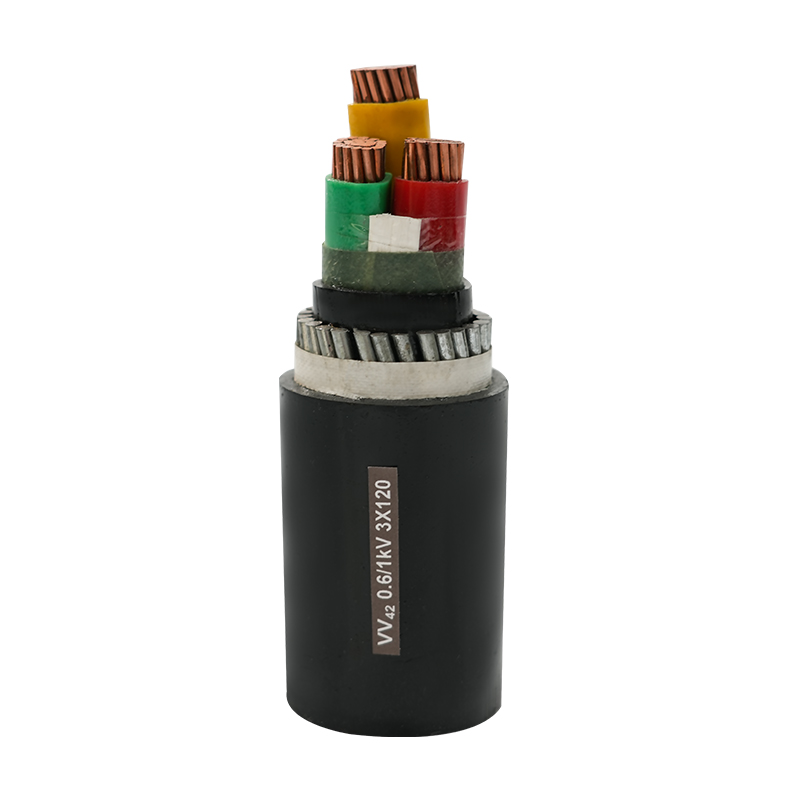
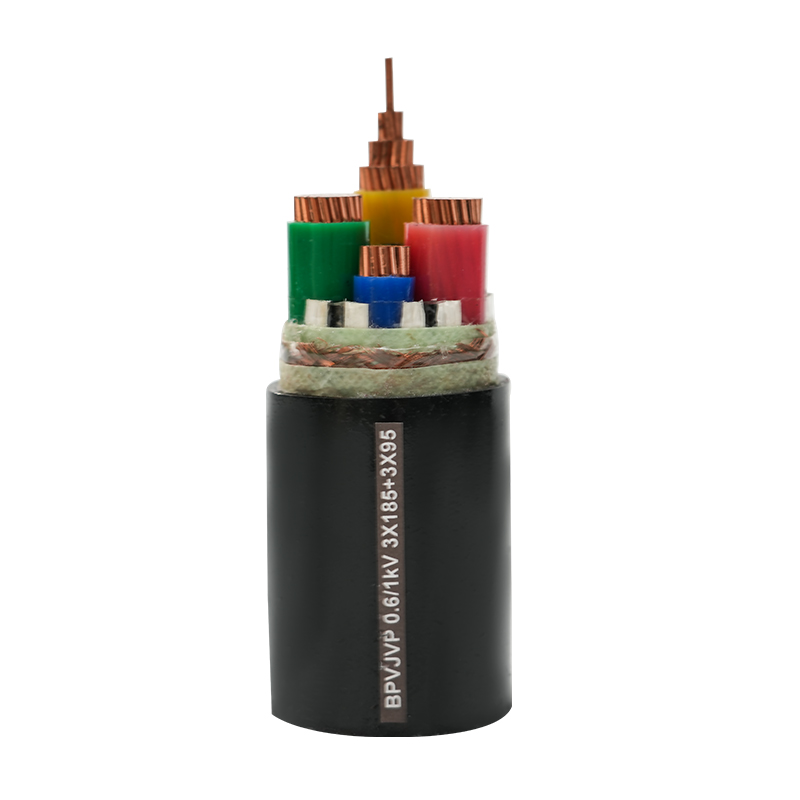
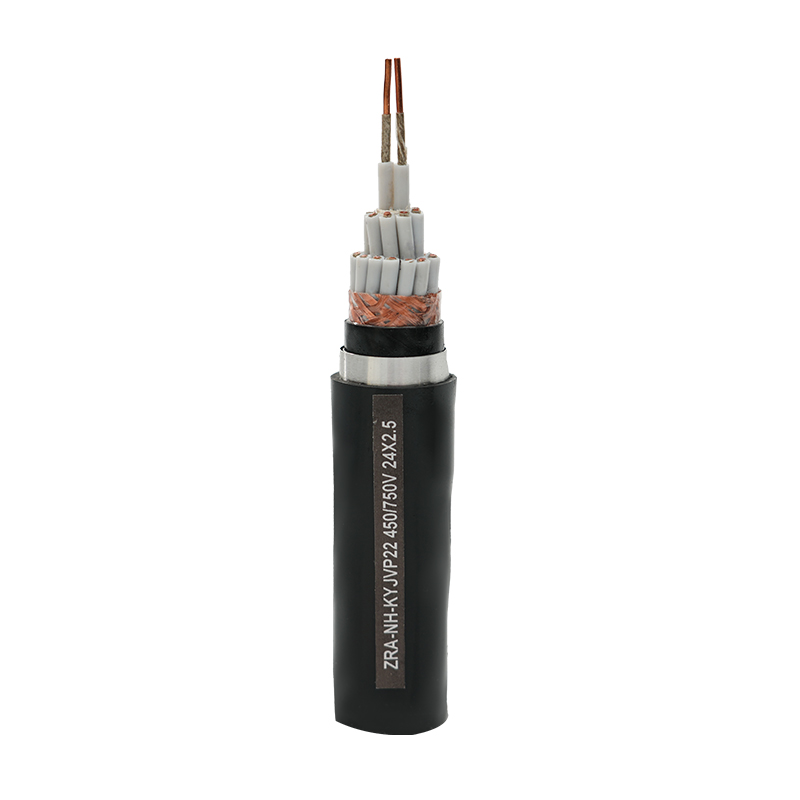
Between insulation and jacket, many power cable constructions include additional layers: metallic screens or shields for medium and high voltage cables manage the electric field distribution around the conductor; armoring layers of steel wire or tape provide mechanical protection for direct burial or heavy industrial use; and filler materials maintain the cable's circular cross-section and prevent internal moisture migration. The specific combination of these layers defines the cable's rated voltage, current capacity, installation method, and service environment — which is why understanding different types of power cables matters before specifying or procuring.
Different Power Cable Types by Voltage Class
The most fundamental classification of types of power cables is by voltage rating, since voltage determines the required insulation thickness, screen design, and installation requirements. The three main voltage classes used in international standards are:
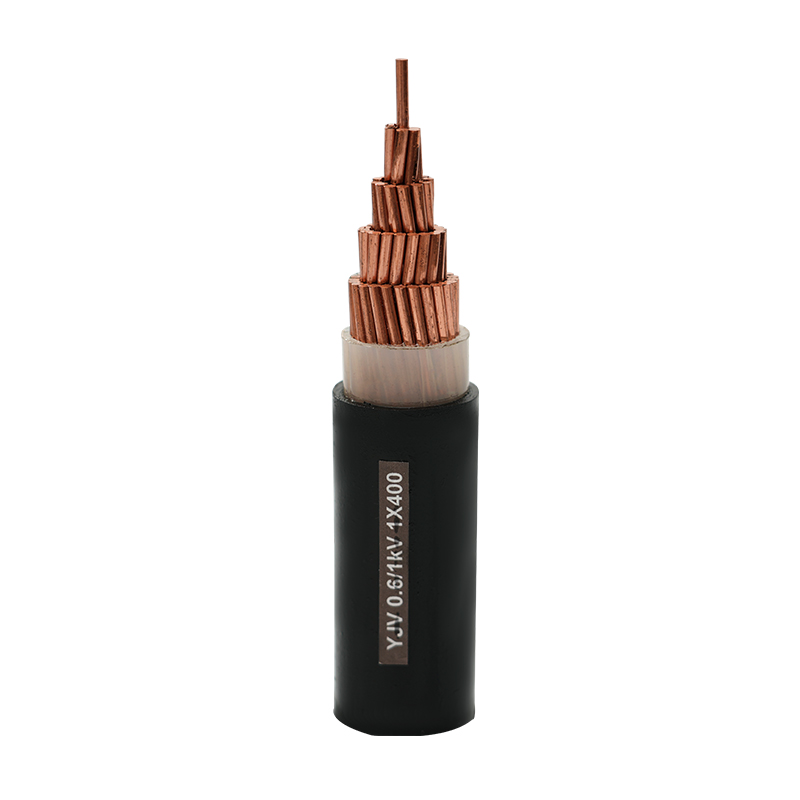
- Low voltage (LV) cables — up to 1 kV: Used for building wiring, equipment connections, industrial panel wiring, and final distribution circuits. Construction is relatively simple: insulated conductors, often with a PVC or LSOH outer jacket, without metallic screens. Common designations include NYY, YJV (China), N2XY (IEC), and THHN/THWN (North America). Conductor cross-sections range from 1.5 mm² for lighting circuits to 400 mm² or larger for main distribution feeders.
- Medium voltage (MV) cables — 1 kV to 35 kV: Used for utility distribution networks, industrial plant feeders, wind and solar farm collection systems, and underground urban distribution. MV cables require conductor screens, insulation screens, and metallic sheaths or wire screens to control the electric field and prevent partial discharge. XLPE (cross-linked polyethylene) insulation has largely replaced paper-oil insulation in new MV installations due to its lower installation weight, absence of oil leakage risk, and easier jointing.
- High voltage (HV) and extra-high voltage (EHV) cables — above 35 kV: Used for bulk power transmission, submarine interconnections, and underground cables in dense urban areas where overhead lines are impractical. Construction becomes significantly more complex at these voltage levels, requiring precision-extruded insulation with extremely low void content, lead or corrugated aluminum sheaths for moisture exclusion, and careful control of conductor and insulation screen surface smoothness to avoid electric field enhancement at defects. XLPE-insulated cables now operate at up to 525 kV in commercial service.
| Voltage Class | Voltage Range | Typical Insulation | Typical Application |
|---|---|---|---|
| Low Voltage (LV) | Up to 1 kV | PVC, XLPE, LSOH | Building wiring, equipment supply |
| Medium Voltage (MV) | 1 kV – 35 kV | XLPE, EPR | Utility distribution, industrial feeders |
| High Voltage (HV) | 35 kV – 150 kV | XLPE | Transmission, urban underground |
| Extra-High Voltage (EHV) | Above 150 kV | XLPE (premium grade) | Bulk transmission, submarine links |
Different Power Cable Types by Insulation Material
Insulation material is the second major axis along which power cable types diverge, since it determines temperature rating, chemical resistance, flexibility, fire performance, and long-term aging behavior. The dominant insulation systems in current use are:
- PVC (Polyvinyl chloride): The most widely used insulation for LV cables globally. Economical, easy to process, and available in a wide range of compound formulations for different temperature and flexibility requirements. Standard PVC insulation is rated at 70°C conductor temperature; heat-resistant grades reach 90°C. The main limitations are poor performance at low temperatures (becomes brittle below -15°C to -20°C), release of corrosive hydrogen chloride gas when burned, and relatively high dielectric losses at elevated voltages — which is why PVC is not used above 6 kV.
- XLPE (Cross-linked polyethylene): Now the standard insulation for MV, HV, and EHV cables, and increasingly used in LV cables as well. Cross-linking converts thermoplastic polyethylene into a thermoset material that retains its properties at elevated temperatures — XLPE cables are typically rated at 90°C continuous and 250°C under short-circuit conditions, significantly higher than PVC. XLPE also offers lower dielectric losses, better moisture resistance, and superior long-term aging compared to PVC. The trade-off is higher material cost and a more demanding extrusion process.
- EPR (Ethylene propylene rubber): A thermoset rubber insulation offering excellent flexibility across a wide temperature range (-50°C to +90°C), superior resistance to ozone and UV, and very good performance in wet conditions. EPR is the preferred insulation for offshore, marine, and mining cables where repeated flexing, wet environments, and temperature extremes are combined. Its higher cost and slightly higher dielectric losses compared to XLPE limit its use in static utility cable installations.
- LSOH / LSZH (Low smoke zero halogen): Not a single material but a compound class — polyolefin-based insulations and sheaths formulated to produce minimal smoke and no halogen-containing gases when burned. Mandated or strongly preferred in confined spaces including tunnels, metro systems, offshore platforms, data centers, and public buildings where evacuation in a fire scenario depends on maintaining visibility and breathable air. LSOH compounds are used for both insulation and outer jacket in LV cables for these environments.
- Mineral insulation (MICC cables): Copper conductors surrounded by compacted magnesium oxide powder within a seamless copper tube. Mineral-insulated cables are inherently fireproof — they continue to function at temperatures up to 1,000°C — making them the required cable type for fire-critical circuits including emergency lighting, fire alarm systems, and sprinkler pump supplies in many national building codes.
Selecting the Right Power Cable: Installation Method and Environmental Factors
Beyond voltage class and insulation material, the installation environment determines which additional cable features are required. The same conductor cross-section and insulation type can be appropriate or entirely unsuitable depending on how and where the cable is installed.
Direct burial in soil requires either an armored cable (steel wire armoring or steel tape armoring) to resist mechanical damage from ground movement and excavation, or installation in conduit that provides the mechanical protection. Direct burial cables also require UV-resistant outer sheaths if any portion of the run is above ground, and moisture-resistant construction to prevent water ingress over decades of service.
Cable trays and open air installations in industrial plants prioritize flame retardancy and ease of inspection and replacement. Multi-core cables with LSOH or FR-PVC outer sheaths on cable ladder systems are standard. Where cables run in parallel on trays, current derating factors — typically 0.7–0.85 of single-cable ratings depending on grouping — must be applied to account for mutual heating between adjacent cables.
Flexible and trailing cables for mobile machinery, cranes, and portable equipment require fine-stranded conductors (Class 5 or Class 6 per IEC 60228) and highly flexible rubber or TPE insulation and sheathing that withstands repeated bending without fatigue cracking. These cables are rated for a defined minimum bending radius and a finite number of flex cycles — specifying a fixed-installation cable in a flex application is one of the most common and consequential selection errors in industrial electrical engineering.
Submarine and offshore cables combine multiple protection requirements simultaneously: pressure resistance at depth, seawater chemical resistance, mechanical protection against anchor drag and fishing gear, and in the case of long AC submarine cables, careful capacitive charging current management. High-voltage DC (HVDC) submarine cables have become the standard for long offshore wind farm export connections precisely because DC transmission eliminates the charging current losses that make long AC submarine cables impractical beyond roughly 80–100 km.

 Email:
 Telephone:+86-0514-85086085
 FAX:+86-0514-85086085
 Phone:+86-15861389306