 Email:
  Telephone: +86-0514-85086085
 FAX: +86-0514-85086085
 English
 中文简体
中文简体 русский
 عربى
عربى
A 20A branch circuit in a single-family home and the same 20A circuit on the 20th floor of an office tower rarely use the same copper building wire. The residential version may be 12 AWG NM-B cable routed through stud cavities; the commercial version is more often 12 AWG THHN or XHHW-2 conductors pulled through EMT conduit. Gauge, insulation, and termination temperature decide which wire is correct, and the order of those decisions determines whether the installation passes inspection and survives decades of load cycling. This guide follows the practical decision sequence for selecting copper building wire in residential and commercial wiring.
Content
- 1 Size the Gauge from Ampacity and Termination Temperature
- 2 Match the Insulation Type to the Installation Environment
- 3 Residential and Commercial Wiring Have Different Priorities
- 4 Copper versus Aluminum: Conductivity, Termination, and Lifecycle Cost
- 5 Verify Markings, Certifications, and Manufacturer Test Reports
- 6 Frequently Asked Questions on Copper Building Wire Selection
Size the Gauge from Ampacity and Termination Temperature
The gauge of copper building wire is set by circuit ampacity and by the lowest temperature rating among the conductor, the breaker terminal, and the equipment lug. A 90°C-rated jacket does not raise the limit of a 60°C panel lug.
The National Electrical Code (NEC) ampacity table, Table 310.16, lists conductor capacity under three temperature columns: 60°C, 75°C, and 90°C. Residential panels and small breakers commonly carry 60°C terminations; commercial switchgear and larger lugs usually rate 75°C. The installed ampacity is always capped by the lowest rating in the termination path.
| Gauge | 60°C | 75°C | 90°C |
| 14 AWG | 15A | 20A | 25A |
| 12 AWG | 20A | 25A | 30A |
| 10 AWG | 30A | 35A | 40A |
| 8 AWG | 40A | 50A | 55A |
| 6 AWG | 55A | 65A | 75A |
| 4 AWG | 70A | 85A | 95A |
| 2 AWG | 95A | 115A | 130A |
Voltage drop is a separate constraint from ampacity. Keep branch drop below 3% and total feeder plus branch drop below 5%. A 120V run longer than about 100 feet should be bumped up one gauge to hold voltage at the far end.
Match the Insulation Type to the Installation Environment
The insulation and jacket, not the copper conductor, set the environmental limits of a building wire. Conduit, wet locations, direct burial, and fire-resistive circuits each demand a different insulation family.
- THHN/THWN - PVC insulation with a nylon jacket, rated 90°C dry and 75°C wet. The standard choice for conductors pulled inside conduit in dry interiors.
- THWN-2 / XHHW-2 - rated 90°C wet or dry. XHHW-2 uses cross-linked polyethylene (XLPE) insulation and occupies less conduit space than THHN at the same gauge.
- NM-B cable - nonmetallic sheathed cable for residential dry locations. The conductor is 90°C rated, but circuit ampacity is limited to the 60°C column.
- UF-B cable - underground feeder for direct burial and wet locations, used for outdoor lighting and outbuildings.
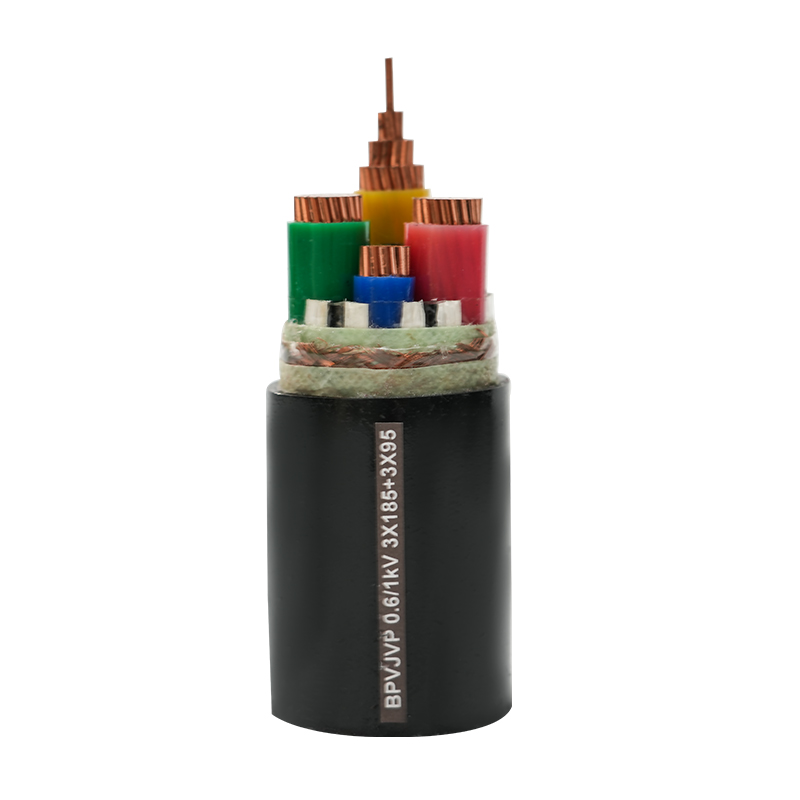
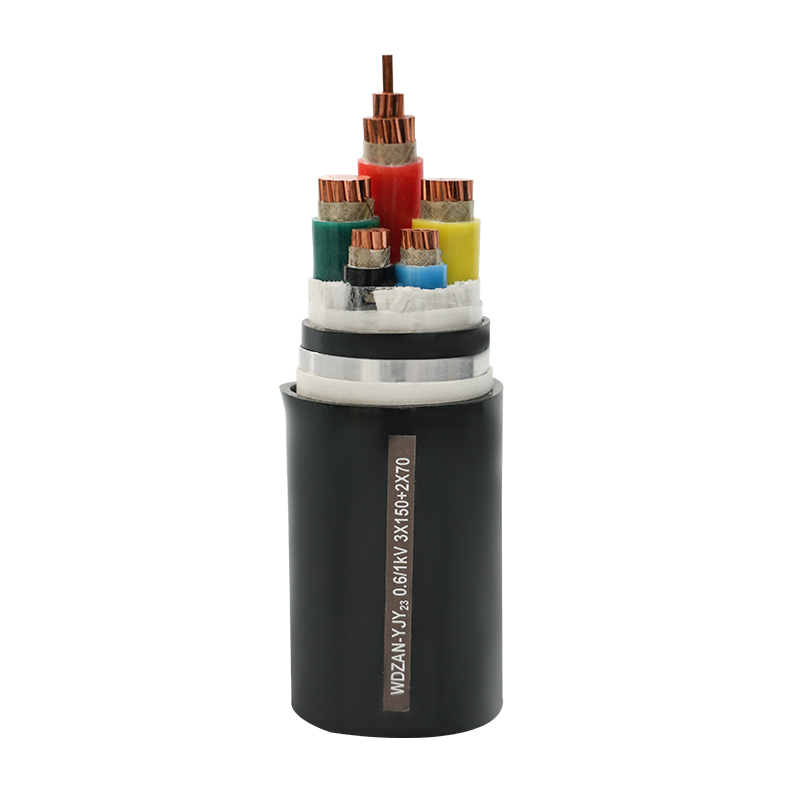
- 0.6/1kV PVC and XLPE power cables - applied to commercial feeders, mains, and switchboard connections where higher mechanical and moisture resistance is required.
Ampacity is the maximum continuous current a conductor can carry without exceeding its insulation temperature limit under stated installation conditions. Exceed it, and the insulation degrades permanently, which raises the risk of phase-to-phase faults and fire.
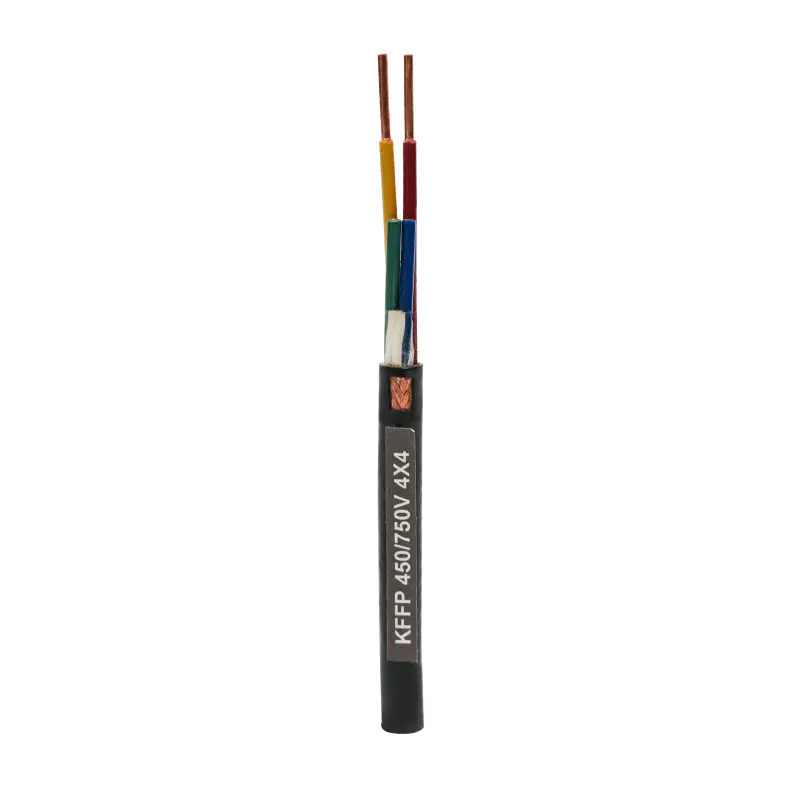
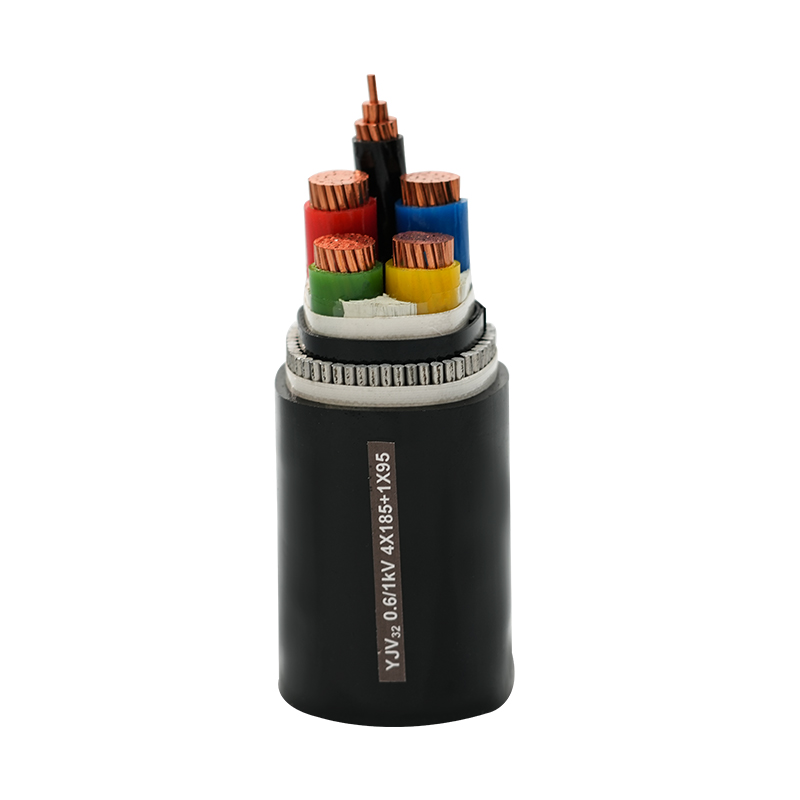 0.6/1kV XLPE Insulated Power Cable for Fixed InstallationThis cable uses cross-linked polyethylene insulation for higher thermal and chemical resistance, supporting long-term operation at 90°C. It suits commercial or industrial feeders where ampacity and durability matter more than cost.View Product →
Residential and Commercial Wiring Have Different Priorities
Residential wiring prioritizes installation cost and speed; commercial wiring prioritizes conduit compatibility, fire resistance, and long-feeder voltage drop. The two applications share wire gauges but diverge on almost every other selection criterion.
Residential
- 120/240V single-phase service
- NM-B cables in stud walls and joist bays
- Typical branches: 15A lighting, 20A receptacles, 30A dryers, 50A ranges
- Termination rating usually 60°C
- Voltage drop dominates on long home runs
Commercial
- 120/208V or 277/480V three-phase systems
- THHN, THWN-2, or XHHW-2 in EMT, rigid conduit, or cable tray
- Minimum 12 AWG for general-purpose receptacles; feeders from 100A upward
- Termination rating typically 75°C
- Conduit fill and harmonic currents force derating
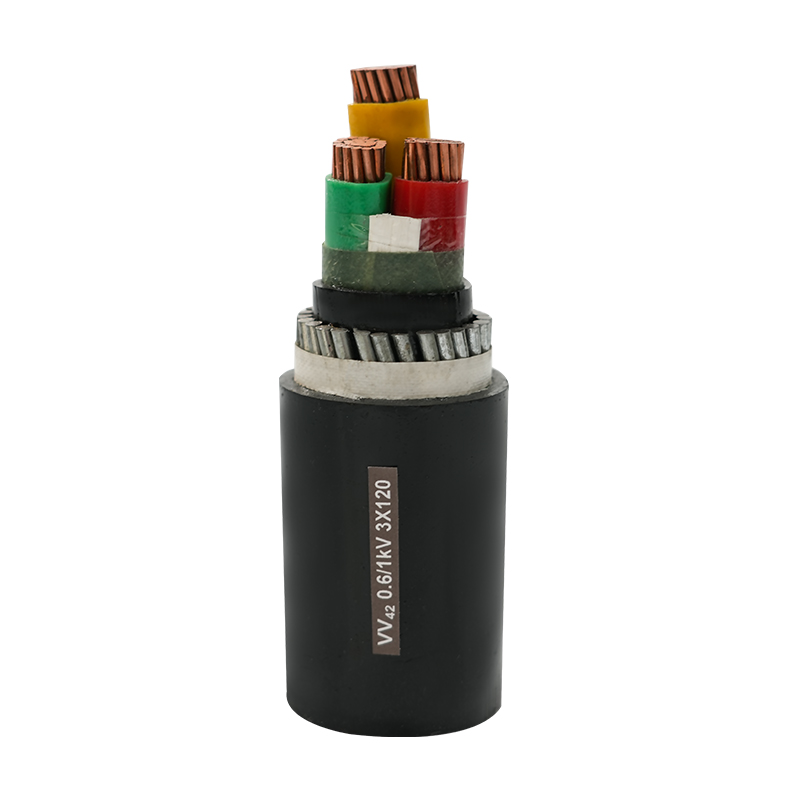 0.6/1kV PVC Insulated Power Cable for Low-Voltage WiringWith PVC insulation, this cable offers flexibility and cost-effectiveness for residential lighting and small equipment circuits. Its lower insulation rating makes it a practical choice when budget and installation ease are priorities.View Product →
Copper versus Aluminum: Conductivity, Termination, and Lifecycle Cost
Copper building wire carries more current per gauge, terminates with lower contact resistance, and needs no anti-oxidant compound, which makes copper the safer default for most residential and commercial buildings.
Annealed copper conducts at roughly 100% IACS, while aluminum sits near 61% IACS. To carry the same current, aluminum needs one to two AWG sizes larger, which adds conduit space, pulling labor, and larger lugs. Aluminum connections also require anti-oxidant paste, aluminum-rated terminations, and verified torque.
Ampacity values from NEC Table 310.15(B)(16), 75°C column, copper versus aluminum conductors in the same installation conditions.
For a deeper look at how the two conductor metals compare in building systems, read our copper versus aluminum analysis.
Verify Markings, Certifications, and Manufacturer Test Reports
Certification marks and printed gauge and insulation data on the jacket are the primary evidence that copper building wire meets the specified standard. Unmarked or partially printed reels should be rejected before installation.
- Read the jacket imprint. Gauge, insulation type, temperature rating, voltage rating, and certification mark must match the purchase order. Undersized or unmarked conductor is a common source of overheating failures.
- Confirm the standard basis. Building wire conductors should comply with ASTM B3 for annealed copper; cable assemblies should carry UL 83 listing for thermoplastic-insulated wire or UL 44 for cross-linked wire.
- Request the manufacturer test report. Conductor resistance, insulation thickness, and gauge tolerance values should be documented for each production batch.
A manufacturer with in-house production and testing can supply certification documents and consistent conductor quality across large orders. Yangzhou Yaguang Cable Co., Ltd., a Chinese cable manufacturer specializing in building wire, power cables, control cables, and marine cables, reports a production base of 56,000 square meters and more than 10 series covering 10,000 cable specifications, with ISO 9001, ISO 14001, and ISO 45001 management system certification plus UL, TUV, CCS, ABS, and BV product certifications. For commercial projects that require documented traceability, this supplier structure supports verifiable sourcing.
Frequently Asked Questions on Copper Building Wire Selection
What size copper building wire is required for a 20 amp circuit?
12 AWG copper is the standard answer, provided the terminations are rated 60°C or 75°C. For a run over 100 feet, step up to 10 AWG to keep voltage drop below 3%.
Can THHN copper wire be used inside a house?
Yes, when installed inside conduit, raceway, or another approved enclosure. THHN is suitable for residential feeder and branch circuits in garages, basements, and other areas where physical protection matters. It is not approved for direct burial by itself.
For branch circuits up to 50A, copper wins on gauge size, termination reliability, and labor cost. For large feeders, the decision needs a full economic model comparing conductor price, conduit fill, splice materials, and long-term maintenance. Many owners still choose copper to avoid connection failures.
What does the temperature column in the ampacity table mean?
Each column shows the allowable ampacity of the conductor at that insulation temperature rating. The installed circuit is capped by the lowest rated termination in the path, which is why a 90°C-rated THHN conductor is usually loaded only to the 60°C or 75°C values in a typical panel.

 Email:
 Telephone:+86-0514-85086085
 FAX:+86-0514-85086085
 Phone:+86-15861389306