 Email:
 Telephone: +86-0514-85086085
 FAX: +86-0514-85086085

 English
 中文简体
 русский
 عربى

8 gauge copper wire is generally rated to carry between 40 and 55 amps, depending on the insulation temperature rating and installation conditions — there isn't a single fixed number, because ampaci...
-
 Industry News
-
 Industry News
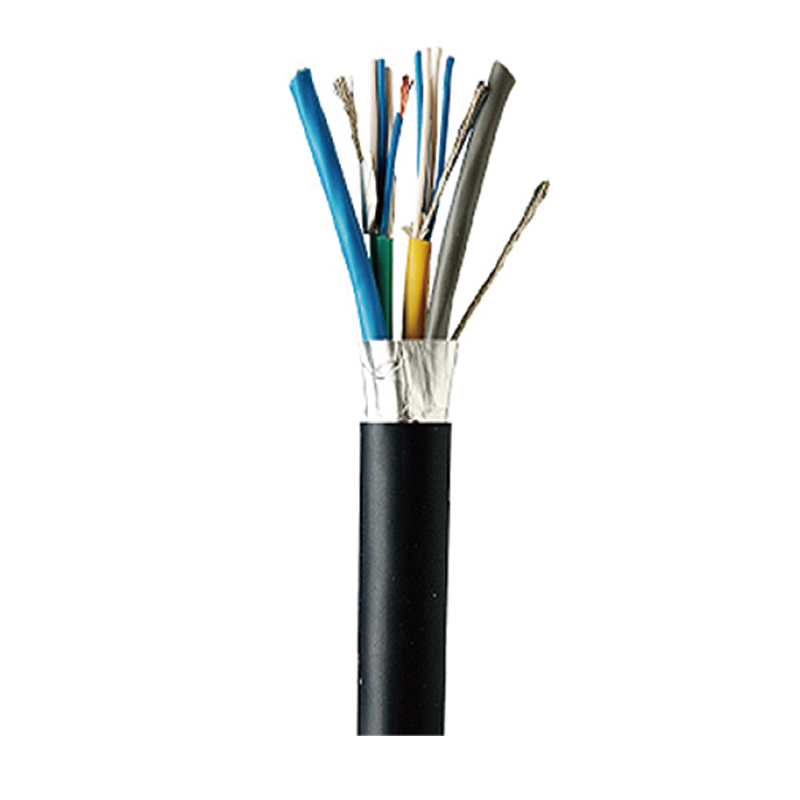
Wire Gauge Amp Ratings: 6, 8 Gauge and 100 Amp Service
Wire Gauge and Amp Ratings: Getting the Match Right Every electrical circuit depends on one fundamental pairing: the gauge of the conductor and the amperage it's asked to carry. Get that pairing wro...
-
 Industry News
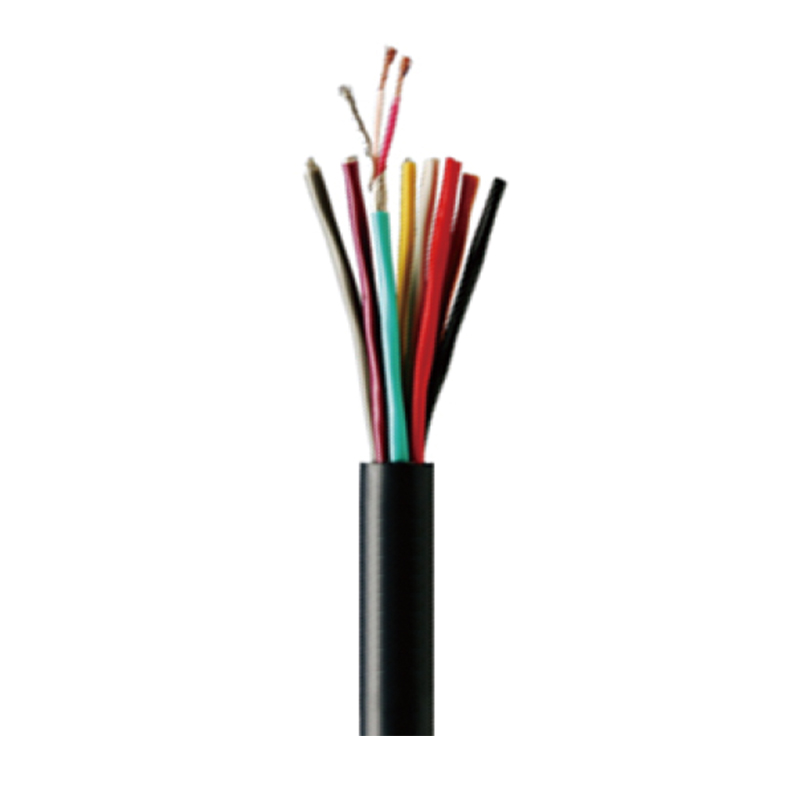
Wire Size and Amperage Charts: Ampacity, Gauge and Load Guide
Wire Sizes and Amperage Ratings: What Actually Determines the Number A wire's amperage rating, called ampacity, is the maximum current it can carry continuously without exceeding its insulation's saf...
-
 Industry News
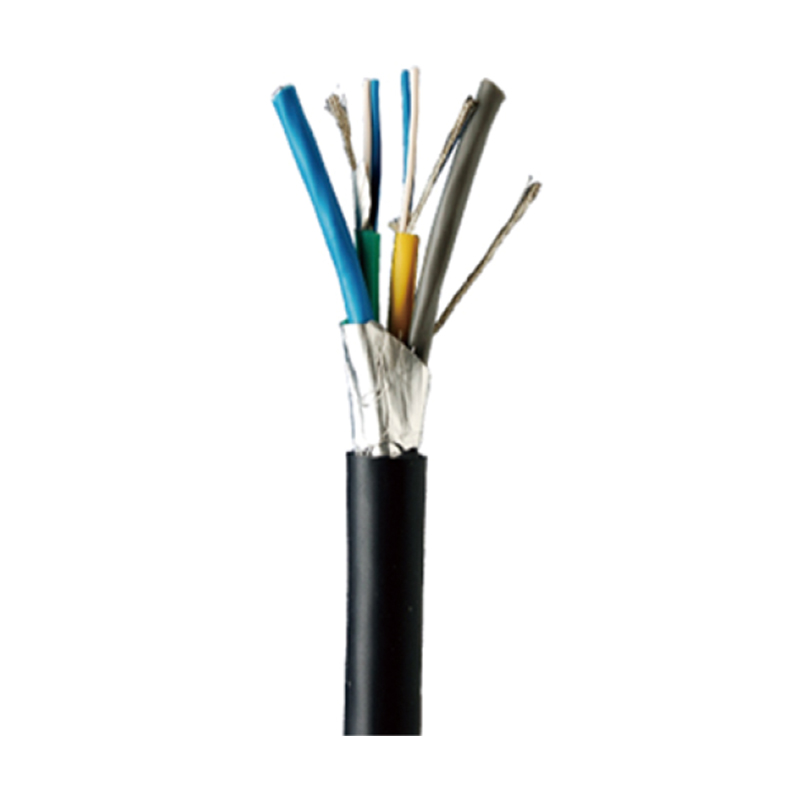
Electrical Wire Size Chart: NEC Ampacity, Hot Tub & Underground Wiring
What Determines Service Entrance Conductor Size The size of the service entrance conductors depends on the total calculated load of the dwelling or building, expressed in amperes, as determined by t...
-
 Industry News
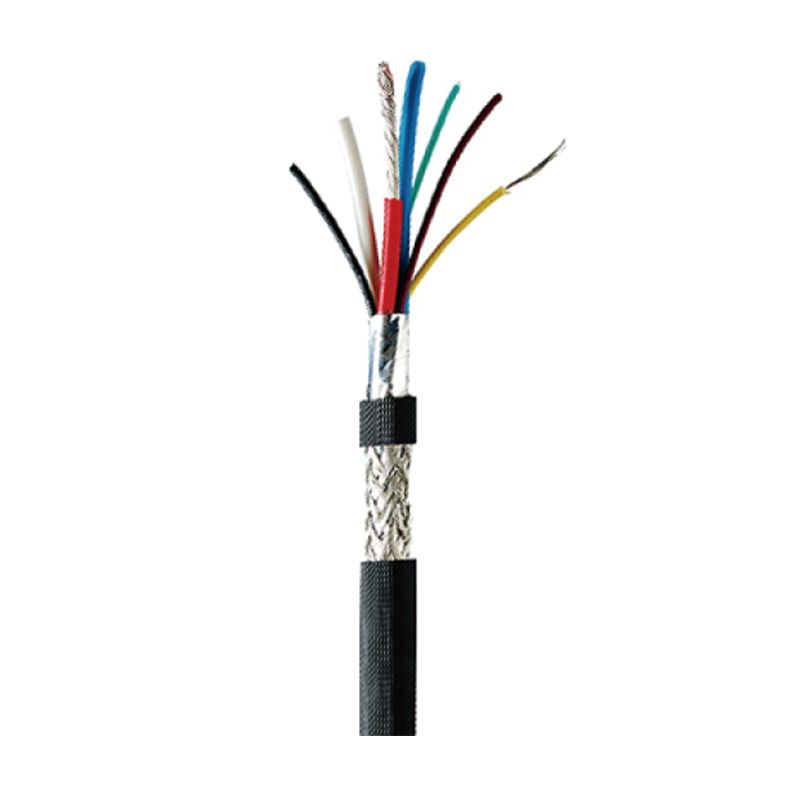
Wire Size and Ampacity Guide: AWG Charts for 15A to 100A Circuits
Wire Gauge and Ampacity: The Core Relationship Electrical wire sizing follows a straightforward principle: the thicker the wire, the more current it can safely carry. In the American Wire Gauge (AWG)...
-
 Industry News
Wire Ampacity, Sizing and Cable Types: NEC Reference and Practical Guide
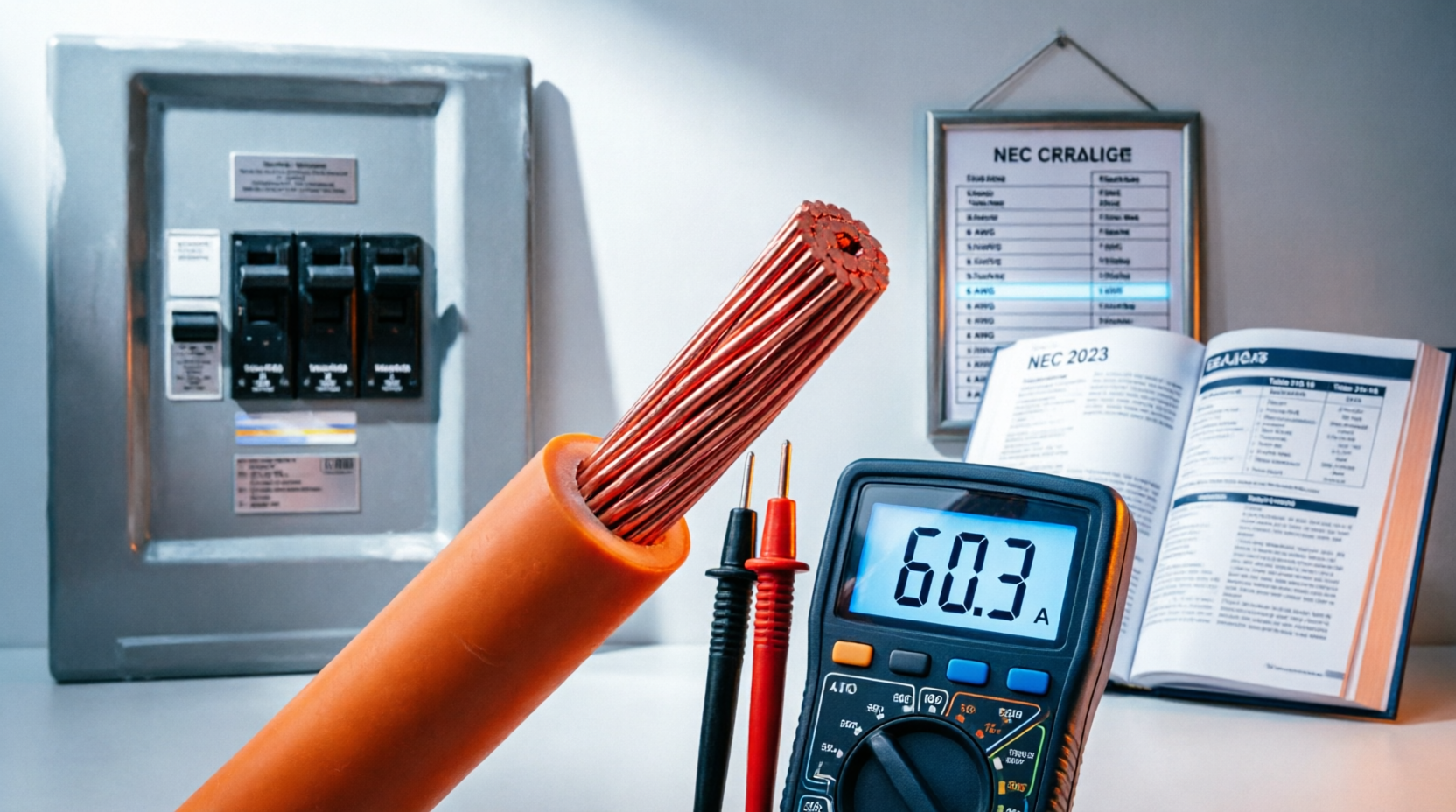
What Is Minimum Circuit Ampacity? Minimum circuit ampacity (MCA) is the minimum current-carrying capacity a circuit's wiring must have to safely power a specific piece of equipment. It is a calculate...
-
 Industry News
6 Gauge Wire Ampacity: How Many Amps Can 6 AWG Wire Carry?
How Many Amps Can 6 Gauge Wire Carry? 6 AWG wire is rated for 55 amps at 60°C and 65 amps at 75°C under standard NEC conditions for copper conductors. These figures apply to a single insulated conduc...
-
 Industry News
Copper Wire: Purity, Conductivity, Melting Point & How It's Made
Is Copper Wire Pure Copper — or a Compound? Copper wire used in electrical applications is neither a compound nor a mixture in the chemical sense — it is a pure substance. Elemental copper (chemical ...
-
 Industry News
Copper Wire: Types, Uses, Conductivity & Why It's Used for Wiring
What Is Copper Wire? Copper wire is a single or multi-strand electrical conductor made from drawn copper metal, used to carry electrical current in circuits, systems, and installations ranging from m...
-
 Industry News
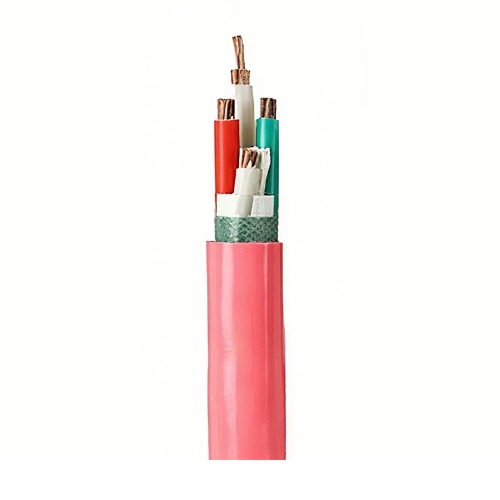
Polarized vs Non-Polarized Cords, Common Cord Types & Power Cable Guide
Polarized vs. Non-Polarized Power Cords: What the Difference Actually Means The difference between polarized and non-polarized power cords comes down to whether the plug can be inserted into an outle...
-
 Industry News
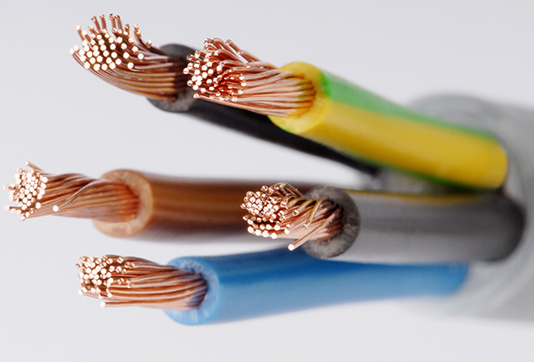
Underground Electrical Wire Types, PVC Insulation & PV Wire Explained
Underground Electrical Wire Types: A Practical Overview Underground electrical wiring must withstand a fundamentally different set of stresses than above-ground installations — sustained soil pressur...
-
 Industry News
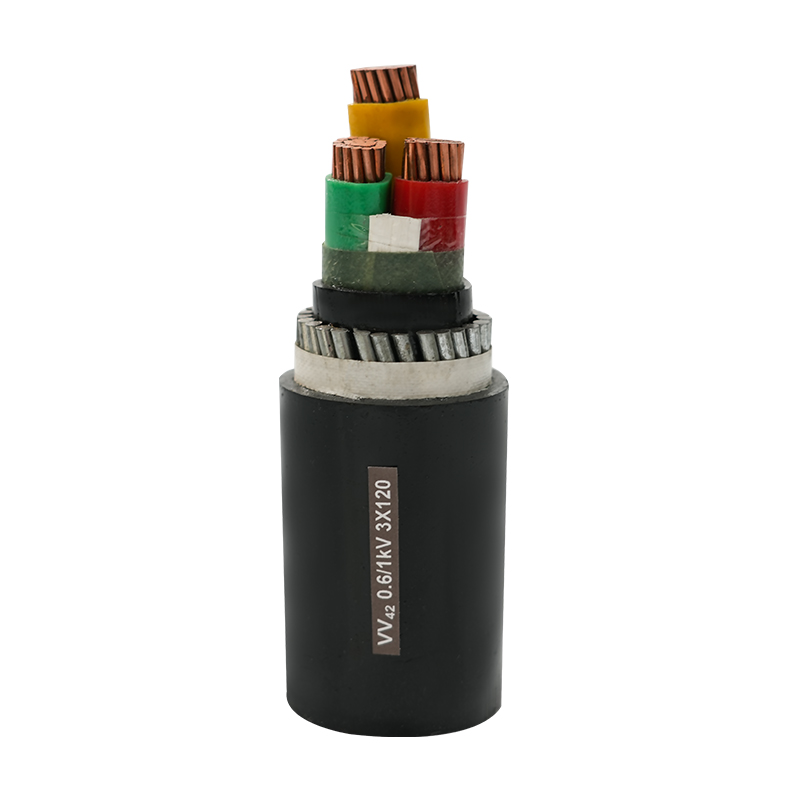
Power Cables Explained: Types of Electrical Cabling and Wire Insulation
What Are Power Cables? Power cables are insulated electrical conductors designed to transmit electrical energy from a source to a load — whether that load is a building, a machine, a piece of infrast...
 Email:
 Telephone:+86-0514-85086085
 FAX:+86-0514-85086085
 Phone:+86-15861389306
Copyright © Yangzhou Yaguang Cable Co., Ltd. All rights reserved.
Custom OEM/ODM H05V-K H07V-K Flexible Household Cables Manufacturers
top